Best Plasterer for Repairs: What to Look For
A crack above the doorway is one thing. A sagging ceiling after a roof leak, flaky patch repairs that flash through paint, or cornice joins that never quite line up are another. If you are trying to find the best plasterer for repairs, the real question is not who can smear on filler fastest. It is who can make the damage disappear properly, without turning a small defect into an ongoing problem.
Repair work is where plastering skill shows most clearly. New plasterboard installation follows straight lines and fresh framing. Repairs are different. The tradesperson has to read what happened, work out what is sound and what is not, and match the existing surface so the fix does not stand out a week later when the light hits it sideways.
Why repair plastering needs a different level of skill
A lot of homeowners assume plastering repairs are simple because the damaged area looks small. In practice, a small damaged section can be harder than lining a whole new wall. The plasterer needs to blend into old surfaces, deal with movement cracks, account for paint build-up, and sometimes match older cornice profiles or textures that are no longer standard.
That is why the best plasterer for repairs is usually not the cheapest patch-and-go operator. Good repair work takes judgement. If a ceiling crack is caused by movement, the fix has to address more than the visible line. If water damage has softened the plasterboard core, drying it out is not enough. The affected area may need cutting out and replacing so the finished surface stays stable.
This is also where communication matters. A dependable plasterer should explain whether the repair is cosmetic, structural in appearance only, or linked to an underlying issue that should be checked first, such as roof leaks, settlement or failed joints.
What to look for in the best plasterer for repairs
The first thing is experience with repair work specifically, not just general plastering. Someone who mainly does large commercial jobs or standard fit-outs may not be the right fit for a lived-in home where walls, ceilings and cornices need careful matching and neat finishing.
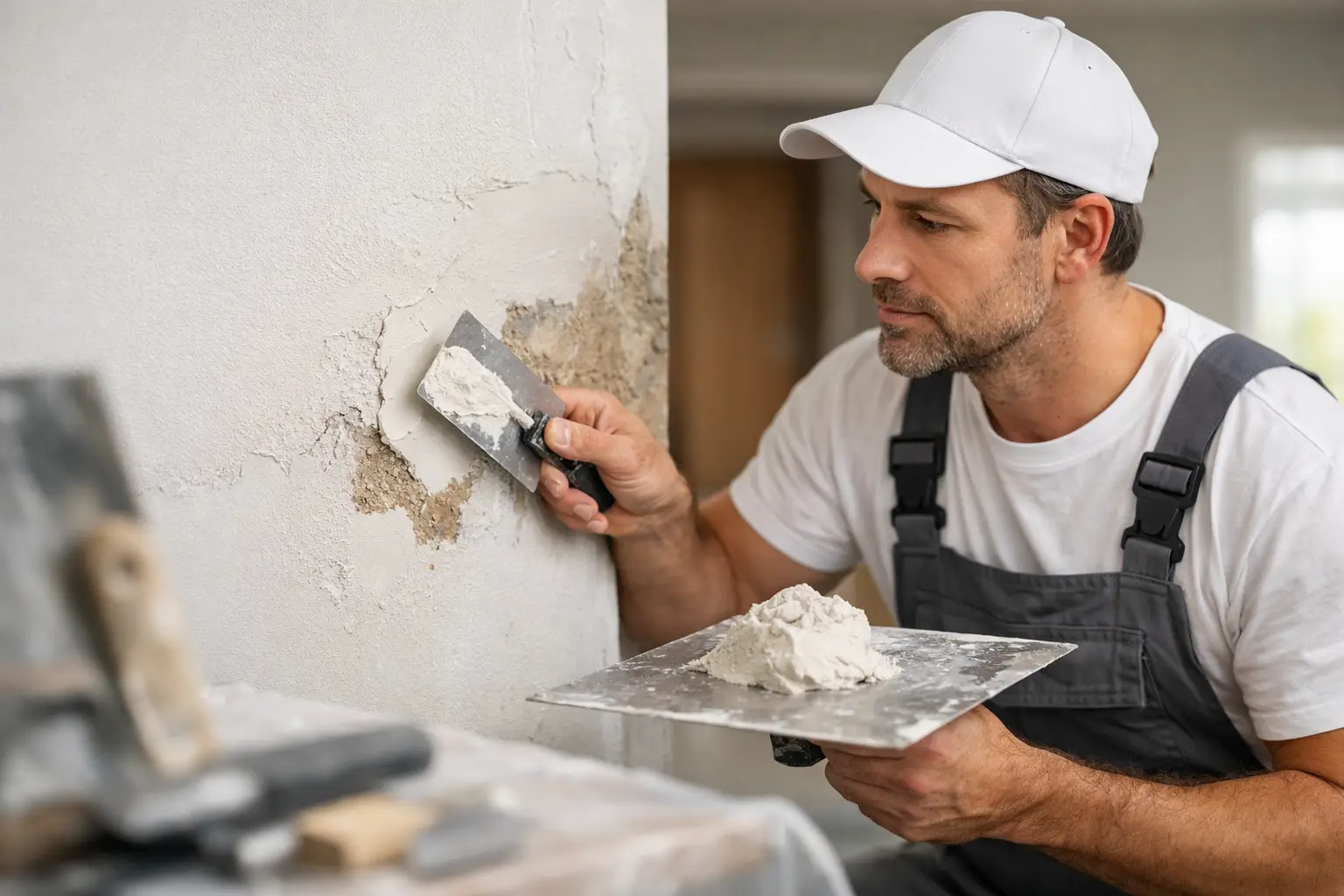
Look closely at how they talk about finishes. A quality repair plasterer should mention feathering, blending, sanding control, and paint-ready surfaces. Those details matter because a repair can look acceptable before painting and still show badly once the room is finished.
It also helps to choose an owner-operated specialist where possible. When the person quoting the job is the same person doing the repair, there is clearer accountability. You are not explaining ceiling stains, old settlement cracks and access issues to one person, only to have a different crew turn up later with none of that context. That boutique approach often leads to better preparation, tidier work and fewer surprises.
Fixed-price quoting is another good sign. Repairs can involve unknowns, so no honest tradesperson should pretend every situation is identical. But an experienced plasterer should still be able to inspect properly, define the scope and explain what is included. Clear pricing reduces the chance of cheap upfront quotes that grow once the job has started.
The signs of a poor repair job
Most bad plaster repairs do not fail on day one. They show up after the painter leaves, after the light changes, or after a bit more seasonal movement. You might see a visible hump around the patch, a flat spot in a ceiling line, sanding scratches under paint, or joints that re-crack because the underlying issue was not treated properly.
Another common problem is overfilling. It sounds harmless, but a heavy-handed patch can leave a proud area that catches light differently from the surrounding wall. On ceilings, this stands out even more. Good plastering repairs are not just smooth to the touch. They need to sit visually in the plane of the surface.
Mess is another clue. Repair work creates dust, cut-outs and debris, but that does not mean your home should be left looking like a worksite. A careful plasterer protects floors and furniture, controls dust where possible and cleans up properly at the end. For most homeowners, especially in occupied homes, that level of care is part of the job.
Repairs that need more than a quick patch
Not every crack means major work, and not every stain means the ceiling has to come down. Still, some repairs need a more considered approach.
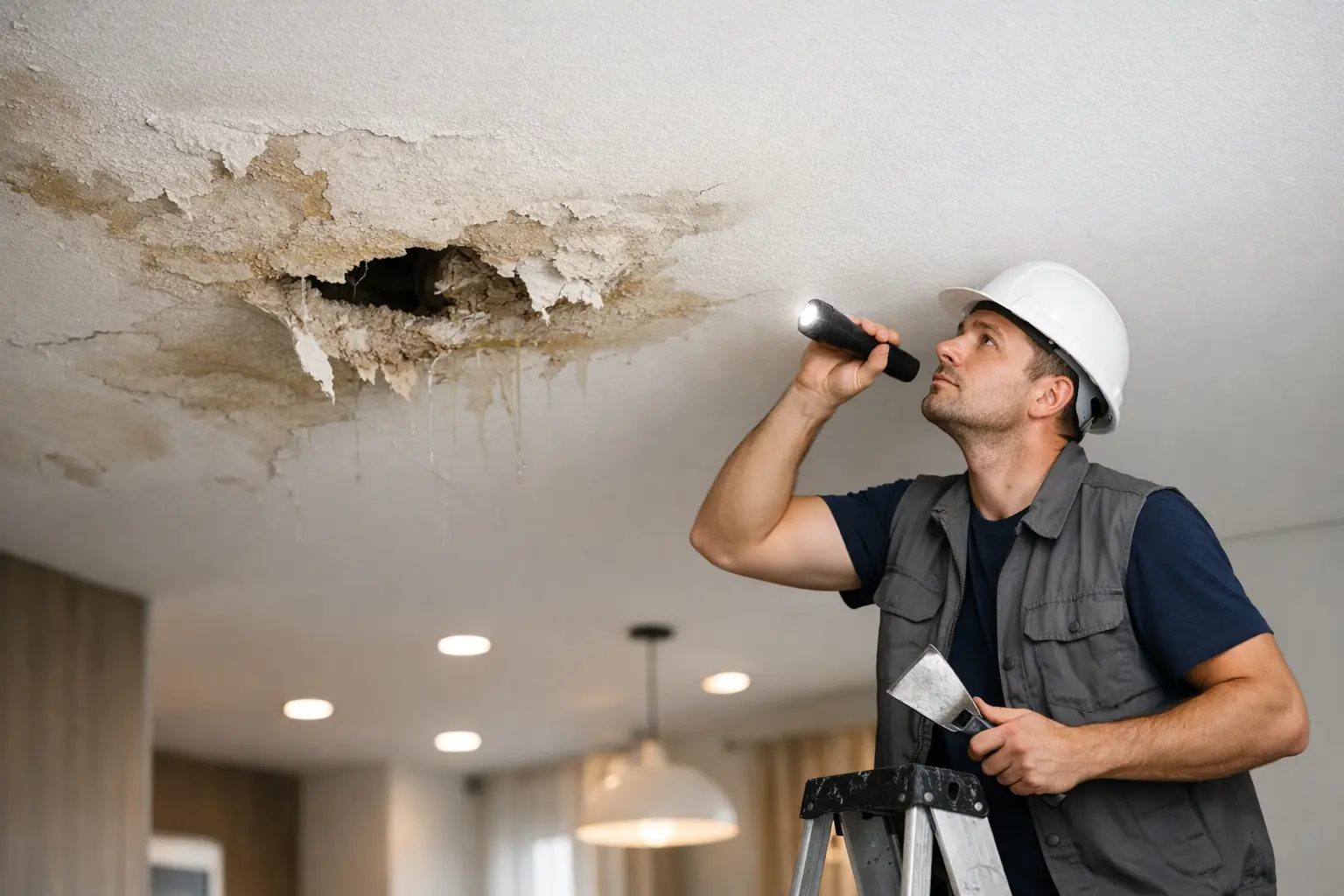
Water-damaged ceilings are a good example. Once moisture gets into plasterboard, the paper face can bubble, joints can fail and the board can sag. If the leak source has been fixed and the area is fully dry, a plasterer can then assess whether patching is enough or whether part of the ceiling should be replaced. The right choice depends on how widespread the damage is and whether the board has lost its integrity.
Older homes can be even trickier. Matching decorative cornices, blending patched render, or repairing walls with years of previous paint and filler takes patience. Heritage-style details especially should not be treated like standard square-set repairs. A careful tradesperson will take the time to match the profile and keep the character of the room intact.
Cracks around doors, windows and wall joints also need proper assessment. Some are simple cosmetic movement. Others point to recurring stress in the substrate. A good plasterer will not overstate the risk, but they also should not promise a permanent fix where movement is likely to continue. Honest advice matters as much as neat finishing.
Questions worth asking before you book
A few direct questions can save a lot of frustration. Ask whether they regularly handle repair work in occupied homes. Ask who will actually do the job. Ask what preparation and clean-up are included. Ask whether the surface will be left ready for painting, and whether there is any reason the repair may need broader work than first expected.
If the job involves ceilings, ask specifically about sagging areas, water damage and how joins will be reinforced. If cornices are involved, ask whether they can match the existing profile rather than replacing long runs unnecessarily.
You do not need a long technical lecture. You are looking for clear answers, practical judgement and a level of detail that shows they have seen these issues before.
Why the cheapest quote often costs more
Plastering repairs are one of those jobs where low quotes can be misleading. A price may look attractive because it excludes proper preparation, uses a minimal patching method, or assumes no protection and no finish work beyond the bare repair itself. That can leave you paying again for repainting issues, repeat cracking or a second tradesperson to redo the work.
A better quote is not just about labour. It reflects time spent on careful cutting, secure fixing, layering compounds correctly, sanding without gouging the surrounding area, and leaving a consistent surface. Those steps are easy to rush and hard to hide once the room is back in use.
For homeowners who value direct communication and a tidy result, paying for experience usually makes sense. The repair should look right, last well and cause as little disruption as possible.
Choosing a plasterer you can trust
The best plasterer for repairs is usually the one who treats the job as finish work, not filler work. They inspect properly, explain the likely cause, quote clearly, turn up when they say they will and leave the area clean. Most importantly, they understand that a repair is successful only when it blends in with the rest of the room.
That is why many homeowners prefer a small specialist over a larger rotating crew. With an owner-led service such as Yong's Carpentry, the hands that quote your job are the hands that finish it. That means clearer communication, steadier quality control and a stronger sense of accountability from start to finish.
If you are comparing trades, trust your eye as much as the quote. Look for care, not just confidence. A good repair should not draw attention to itself. It should let you get on with enjoying the room again, without the crack, stain or patch being the first thing you notice every time you walk in.