Choosing a Mandarin Speaking Tradesman

When you are discussing ceiling cracks, water damage or a new partition wall, small misunderstandings can turn into costly ones. For many households, hiring a Mandarin-speaking tradesman is not just about convenience. It is about being able to explain the problem properly, ask questions with confidence, and feel sure the finished work matches what was agreed.
That matters even more inside an occupied home. Wall and ceiling work affects dust control, furniture protection, access, timing and finish quality. If the person quoting the job can explain the process clearly in Mandarin and English, it becomes much easier to make decisions without second-guessing every detail.
Why a Mandarin-speaking tradesman can make the job easier
Most homeowners are not comparing technical plasterboard systems or cornice profiles every day. They are trying to work out simple, practical things. What exactly needs repairing? Will the crack come back? How much mess is involved? Is the price fixed? How long will the room be out of action?
When language is a barrier, those ordinary questions often go unanswered or get answered too quickly. People may nod along, approve a quote, and only later realise they had a different expectation about scope, finish or timing. A Mandarin-speaking tradesman can remove that pressure. Instead of relying on family members to translate or trying to follow trade terms that do not come naturally, the client can have a direct conversation about the work itself.
That direct communication also helps on the finer points. In interior carpentry and plastering, details matter. A homeowner may care about whether a repair blends invisibly into an existing ceiling, whether a bulkhead lines up cleanly with cabinetry, or whether heritage cornice is being matched properly rather than replaced with a close-enough profile. These are not minor issues once the paint goes on. They are the difference between a patch job and a proper finish.
What homeowners should look for beyond language
Language helps, but it should never be the only reason to hire someone. A reliable tradesperson still needs the basics right: experience, punctuality, tidy work habits, clear quoting and accountability from start to finish.
One of the biggest differences between a specialist operator and a larger crew-based business is continuity. If one person handles the quote, planning and completion, there is less chance of information being lost between office staff, site supervisors and subcontractors. Homeowners usually feel that difference quickly. Questions are answered faster, variations are clearer, and the standard of finish is easier to hold to account.
For that reason, it is worth asking who will actually do the work. Some businesses quote professionally but send a different team on the day. That model can work, but it depends heavily on handover quality. If your priorities include direct communication and consistent workmanship, an owner-operated setup is often the safer choice.
Fixed pricing is another sign of a well-run service. Not every job can be quoted without conditions, especially where hidden water damage or framing issues may be involved. Still, the quote should clearly explain what is included, what is excluded and what would trigger an extra cost. Clear language is useful here, but clear structure matters just as much.
Where communication makes the biggest difference
Some jobs are straightforward. A small ceiling patch or a standard wall lining job may not involve much back and forth. Others depend heavily on precise discussion before work starts.
Repairs and water damage
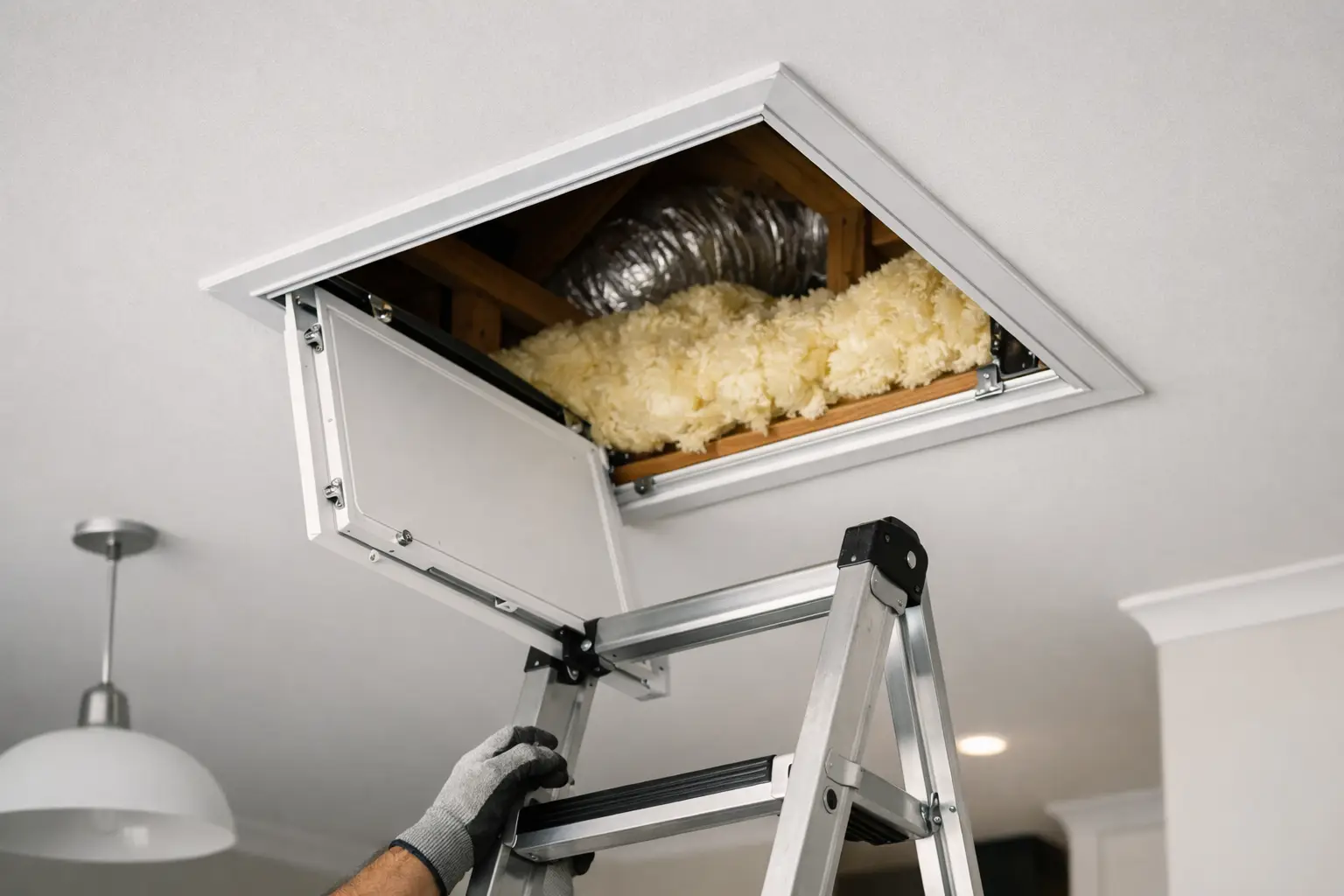
Repair work often sounds simpler than it is. A stain on the ceiling may be just cosmetic, or it may point to movement, moisture or damaged substrate underneath. Homeowners need to know whether they are paying for a surface patch, a cut-out and replacement, or a broader restoration. If that distinction is not explained clearly, frustration usually follows.
Cornice and heritage matching
Decorative work requires careful conversation about profile, size and finish. Clients often want the repaired area to disappear into the original room. That takes more than basic trade skill. It also takes shared understanding of what “match existing” really means.
Bulkheads and feature ceilings
With new installations, the issue is not only workmanship. It is design intent. A recessed lighting cove, dropped ceiling section or partition wall has to sit properly within the room. Discussing dimensions, lighting positions and paint-ready finish expectations in your preferred language can prevent a lot of backtracking later.
Questions worth asking a Mandarin-speaking tradesman
The right questions are often more revealing than the quote itself. Ask who will be on site each day, whether the price is fixed, how the home will be protected, and what finish you should expect before painting. If the job is a repair, ask what caused the issue and whether the repair addresses the cause or only the visible damage.
You should also ask how variations are handled. Good operators do not avoid that conversation. They explain it early. If hidden damage is found after opening a ceiling or wall, you want to know how that will be priced and approved before extra work begins.
Another useful question is whether the tradesperson has done similar work in lived-in homes. There is a difference between working on a vacant site and carrying out repairs in a family home with furniture, children, noise constraints and the need to leave the place tidy each day. Technical ability matters, but so does site behaviour.
Why tidy work and follow-through matter so much
Homeowners usually remember two things after a trade job: the finish, and the experience of having someone work in their home. Even excellent plastering or carpentry can be overshadowed by poor protection, dust everywhere or vague communication.
That is why the better operators tend to be methodical. They protect floors and furnishings, keep the work area controlled, and leave the site orderly. They also set realistic expectations. Some repairs need drying time. Some new installations need multiple visits to reach a proper paint-ready finish. Being upfront about that is part of professional service.
A written workmanship guarantee adds another layer of reassurance. It shows the tradesperson is prepared to stand behind the result, not just collect payment and move on. For many clients, especially those arranging work for an elderly parent or investment property, that kind of follow-through is just as important as the initial quote.
The best fit is usually personal, not just practical
A lot of people start by searching for a Mandarin-speaking tradesman because they want easier communication. That is sensible. But the best outcome usually comes from finding someone who combines language comfort with genuine trade depth, honest pricing and a boutique approach to service.
In specialised wall and ceiling work, there is real value in dealing directly with the person responsible for the final result. The hands that quote your job are the hands that finish it. That sort of accountability tends to produce better questions, better preparation and fewer surprises.
For Perth homeowners, landlords and renovators, that can mean a smoother job from the first inspection through to the last clean-up. If you are comparing quotes, pay attention not only to price but to how clearly each tradesperson explains the work, the risks and the finish you can expect. Good communication should leave you more certain, not more confused.
A tradesperson does not need fancy sales language to be the right choice. They need to turn up, explain the job properly, protect the home, do careful work and stand by it afterwards. If they can do that in Mandarin as well, the whole process becomes easier for the people who matter most - the ones living with the result every day.