Ceiling Installation Cost: What Changes the Price?

A ceiling can look straightforward until the old lining comes down and the real condition of the room is exposed. That is why ceiling installation cost can vary more than many homeowners expect. Two rooms might be the same size on paper, but if one has sagging sheets, damaged framing, tricky access or detailed cornices, the labour and finish standard required are very different.
If you are planning a renovation, replacing a damaged ceiling or fitting out a new room, the useful question is not just what a ceiling costs per square metre. It is what is actually included, what could change the price, and whether the finished result will be straight, tidy and ready for paint without extra patching later.
What affects ceiling installation cost?
The biggest price driver is usually the scope of work. A simple plasterboard ceiling in an empty room is quicker and more predictable than replacing a failed ceiling in a lived-in home with furniture to protect, old insulation to work around and repairs hiding above the sheets.
Size matters, but it is not the only factor. A larger area may reduce the rate per square metre because setup time is spread over more work. On the other hand, a small room with difficult corners, bulkheads, set drops or decorative details can take longer than a plain open area.
Access also matters more than people realise. High ceilings, stair voids, narrow hallways and occupied homes all add handling time. If materials are easy to bring in, sheets can be lifted safely and the room can be worked on cleanly, the job is more efficient. If not, labour rises because the work slows down.
The finish level is another major factor. Some clients only need a functional new ceiling in a utility area. Most homeowners want a smooth, paint-ready finish that sits cleanly against walls, cornices and light fittings. Better finishes take more care in setting joints, sanding and checking lines, especially in rooms with strong natural light where imperfections show up fast.
Material choices and how they change pricing
Standard plasterboard is common for residential ceilings, but not every room should be treated the same. Wet areas may require moisture-resistant board. A garage, extension or upgraded acoustic space may call for a different product again. The material itself changes cost, but so does the handling and installation method.
Cornices can also shift the budget. If existing cornices are staying, the new ceiling may need to be installed with minimal disruption around the edges. If cornices are being replaced, profile choice and room shape affect labour. A simple cove cornice is quicker than matching an older decorative profile, and heritage-style details usually need a more meticulous approach to get the transition right.
Then there are feature elements. Bulkheads, recessed lighting coves and dropped sections can look excellent, but they are not standard square-set work. They involve more layout, more framing in some cases, cleaner junctions and more finishing time. They can absolutely be worth it, but they should be priced as custom work, not treated as a basic ceiling install.
Why replacement work often costs more than new installation
Homeowners are often surprised that replacing a ceiling can cost more than installing one in a new room. The reason is simple - demolition, disposal, protection and unknowns.
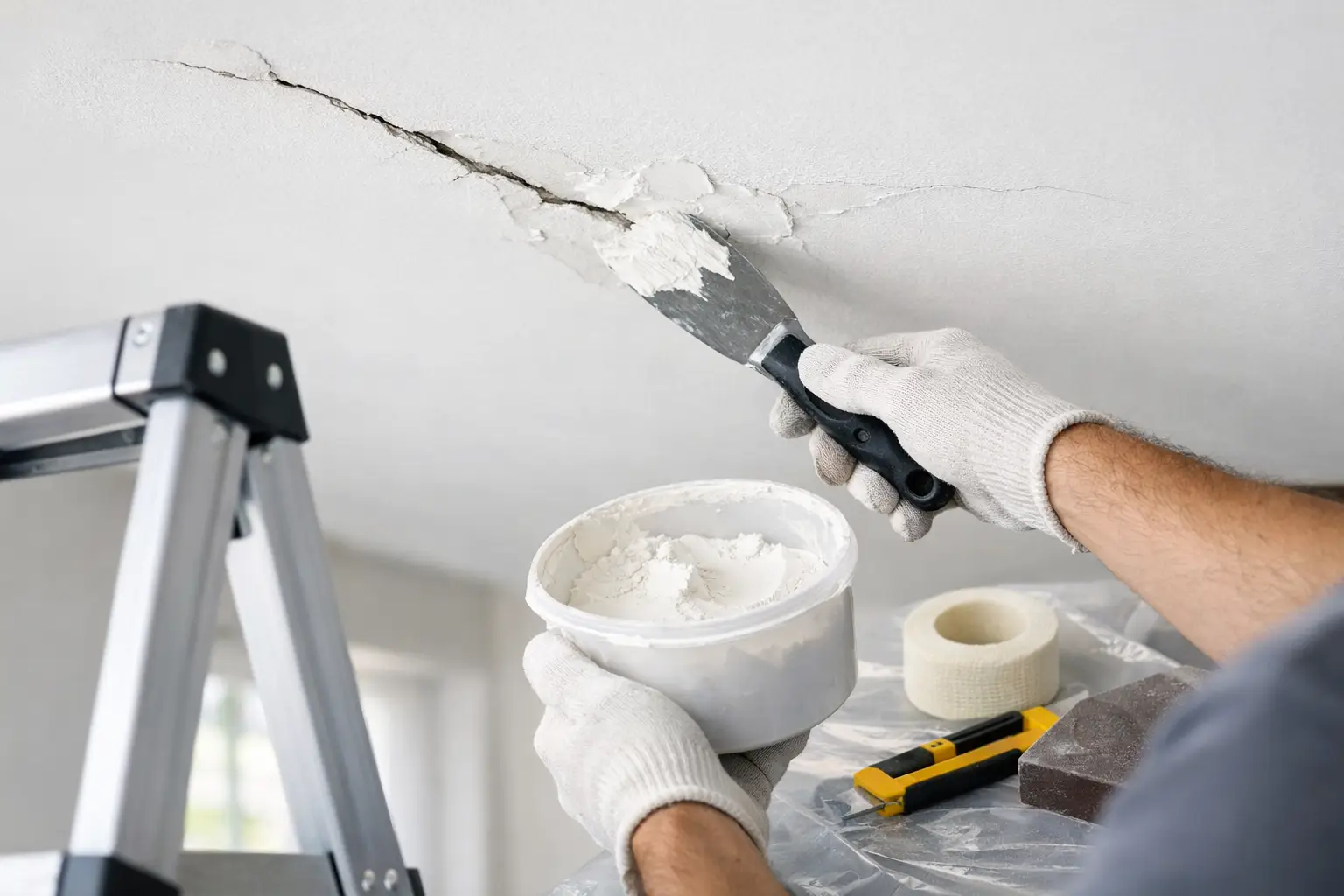
An existing ceiling may need to be removed carefully if there is loose insulation, water damage or cracking around the perimeter. The room has to be protected, rubbish has to be taken away, and the structure above may need checking before new sheets go up. Sometimes the framing is sound and the job proceeds quickly. Sometimes there are bowed battens, previous patch jobs or signs of moisture that need attention first.
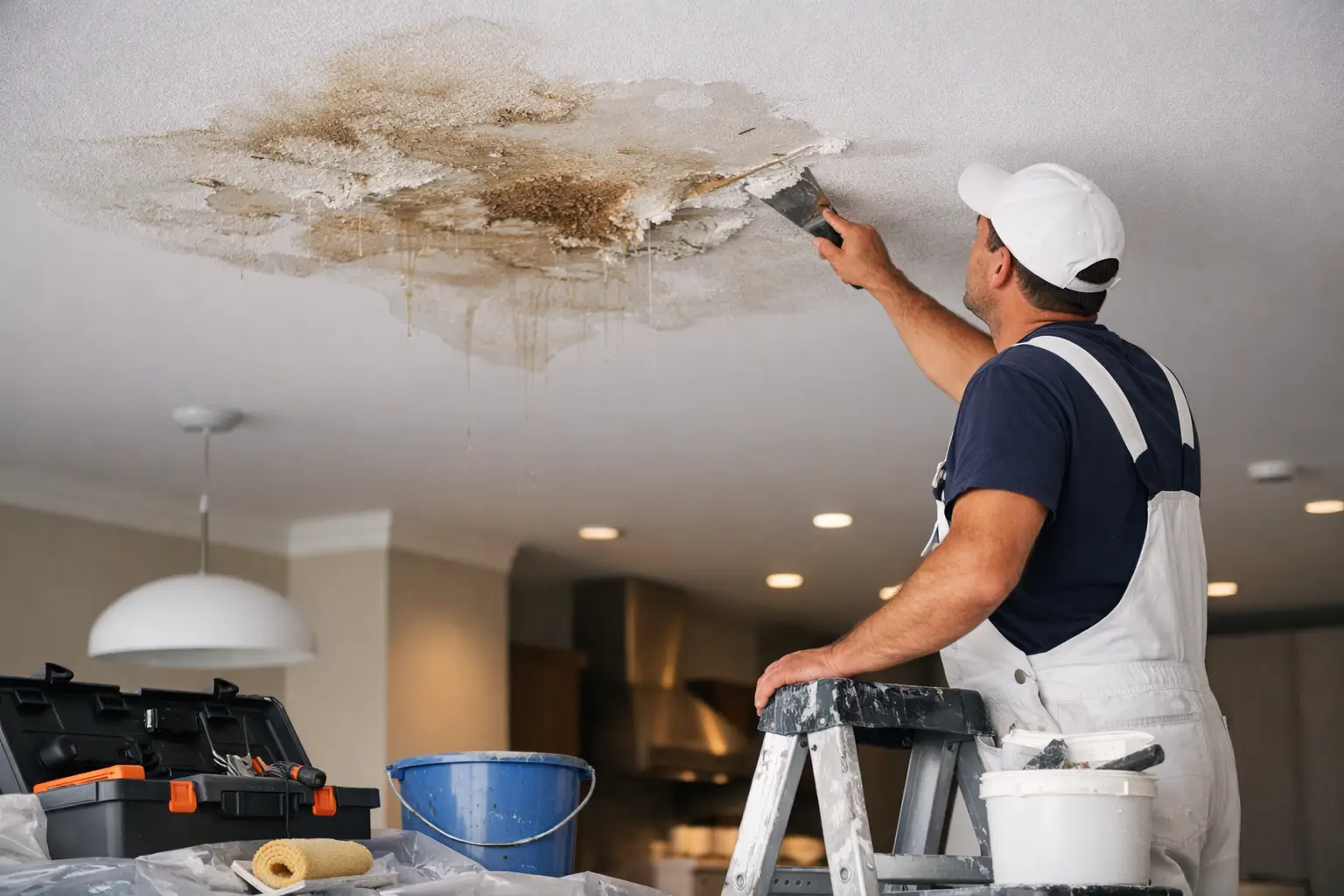
Water-damaged ceilings are a common example. Replacing the lining without dealing with the cause is false economy. If there has been a roof leak or plumbing issue, the area needs to be dry and stable before a new finish goes in. Otherwise the same staining, sagging or mould risk can return.
Ceiling installation cost per square metre - useful, but limited
Many people start by searching for a square metre rate, and that can be a reasonable early guide. It helps compare a very basic install against another basic install. The problem is that residential jobs are rarely identical once you factor in access, height, demolition, cornice work, penetrations for lights and the standard of finish expected.
That is why a fixed-price on-site quote is often more useful than a generic online estimate. It allows the tradesperson to inspect the room, measure properly, identify likely complications and explain what is included. For homeowners, that means fewer surprises. For the installer, it means the work can be planned properly rather than priced on assumptions.
A very cheap rate can also hide omissions. It may not include disposal, patching around fittings, final sanding quality or making good where old work meets new. Those are the details that affect whether the job feels finished or whether you are left organising follow-up repairs.
Labour, finish quality and the real value of the quote
Not all ceiling work is equal. A ceiling is one of the largest uninterrupted surfaces in a room, so poor workmanship stands out. You see it when joints telegraph through paint, when sheets are not sitting true, or when corners and cornices look uneven in afternoon light.
This is where labour quality matters. Careful measuring, clean setting, proper sanding and tidy site practices all take time. In a lived-in home, there is also value in protecting floors, controlling dust and leaving the space in good order at the end of the day.
For many homeowners, the cheapest quote is not actually the lowest cost once defects, delays or inconsistent finish quality are taken into account. A professionally handled ceiling job should feel organised from the first inspection through to completion. Clear communication, fixed pricing and direct accountability tend to matter just as much as the number at the bottom of the quote.
When extra work is worth doing at the same time
If the ceiling is already being opened up or replaced, it can be smart to consider related work while access is available. Installing new cornices, adjusting lighting layout, adding a recessed LED cove or repairing adjacent wall damage can be more efficient when handled together rather than as separate call-outs later.
This does not mean adding unnecessary extras. It means looking at the room as a whole. If the old ceiling is cracked and the cornices are also failing, replacing one without the other may leave the room looking half-finished. If lighting is outdated, now may be the right time to coordinate cut-outs or feature details before the final set and sand.
A good tradesperson will tell you where combined works offer real value and where they do not. Sometimes the sensible choice is to keep the job simple and focus on the ceiling alone.
How to budget for ceiling work without guesswork
The best way to budget is to define the job clearly. Are you installing a new ceiling in a renovated room, replacing a damaged ceiling, patching part of an area, or adding a feature detail? Each of those has a different labour profile.
It also helps to think about the standard you want at the end. Is the room being prepared for a full repaint? Are you expecting an invisible repair? Do you want decorative cornices matched to the existing home? The more specific the brief, the more accurate the quote will be.
For homeowners in Perth, local conditions can also influence quoting in practical ways, especially where older homes, heat-related movement or water damage repairs are involved. That is one reason on-site assessment matters. A room can tell a very different story in person than it does in a few phone photos.
Yong's Carpentry takes a boutique approach to this kind of work because ceiling jobs reward precision and accountability. When the person quoting also completes the work, it is easier to keep the scope clear, the finish consistent and the communication straightforward.
What to ask before accepting a quote
Before you go ahead, ask what is included in preparation, installation, setting, sanding and cleanup. Confirm whether disposal is part of the price, whether cornices are included, and whether the finish will be ready for paint or still need additional preparation.
You should also ask who will actually carry out the work. That matters more than many people think. Ceiling installation is not just about getting sheets fixed overhead. It is about achieving a straight, clean result in one of the most visible parts of the home.
A fair quote should leave you confident about the process, not uncertain about what has been missed. When the scope is clear and the workmanship standard is explained properly, ceiling installation cost becomes easier to judge on value rather than headline price alone.
A ceiling is above your head every day. It is worth treating it like a finish surface, not just a building component, and pricing it with that level of care in mind.