Plasterboard Wall Lining Done Properly
A wall can look straight from across the room and still be wrong. The joins might ghost through the paint, the corners might wander, or the surface might catch afternoon light and show every ripple. That is why plasterboard wall lining is not just about fixing sheets to studs. It is about getting the structure, setting, finish and final appearance right from the beginning.
For homeowners, renovators and landlords, this part of the job often gets underestimated. Plasterboard goes up quickly, so it can seem simple. The difference between a rushed lining job and a well-finished one usually shows up later - when the painter starts, when the skirting goes on, or when cracks appear around movement points that should have been handled properly in the first place.
What plasterboard wall lining actually involves
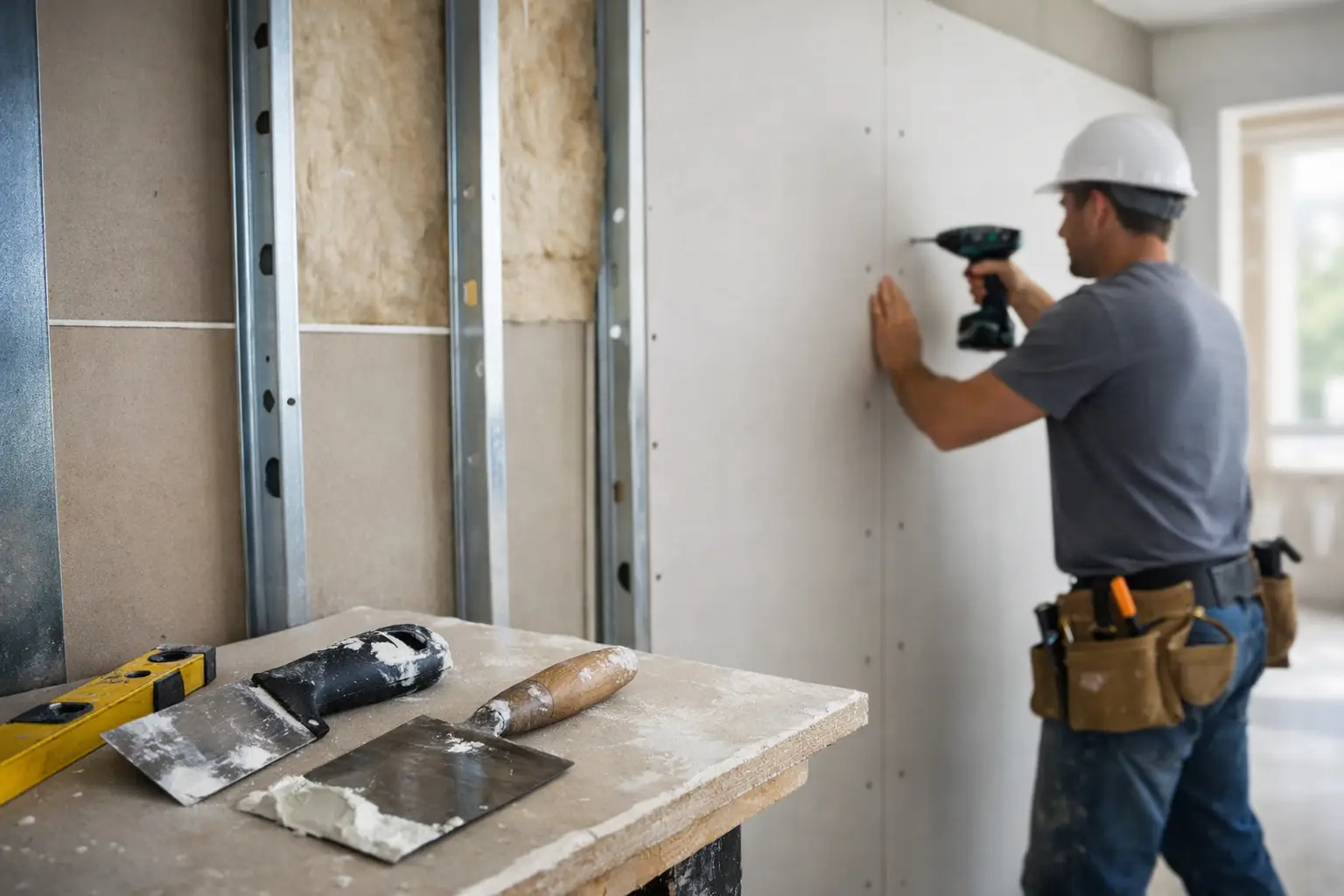
Plasterboard wall lining is the process of fixing plasterboard sheets to wall framing or solid substrates to create a smooth internal surface ready for setting, sanding and painting. In residential work, that can include new rooms, partition walls, garage conversions, repairs after water damage, or replacing tired wall linings during a renovation.
The visible surface is only one part of the result. Good wall lining depends on sheet layout, framing condition, fixing method, corner treatment, joint setting and sanding control. If one of those steps is off, the finish can suffer even if the materials themselves are perfectly standard.
This is where experience matters. A tidy, paint-ready wall is rarely the result of luck. It comes from planning sheet sizes properly, checking for bows or irregular framing, and knowing how to avoid obvious lines, hollows and cracked joints once the room is back in use.
Why the cheapest quote can cost more later
On paper, one plasterboard lining quote can look much like another. Same room, same square metres, same material type. What the quote does not always show is how much care is being taken with preparation and finishing.
A low price often means time has been cut somewhere. That might be minimal checking of framing before sheets go on, fewer fixings, poor joint placement, or a skim that is technically complete but not truly ready for paint. Once a wall is painted in a low-sheen or satin finish, defects that seemed minor during installation can become hard to ignore.
Repairs after a poor lining job are rarely neat or cheap. Re-setting visible joins, correcting uneven corners or dealing with cracking around openings can mean extra patching, re-sanding and repainting. For lived-in homes, it also means more disruption than doing it properly the first time.
Where good plasterboard wall lining makes the biggest difference
The standard of plasterboard wall lining matters most in areas where light and sightlines work against you. Long hallways, open-plan living areas and walls opposite large windows tend to reveal defects quickly. Any unevenness in the set joints or wave in the framing becomes more obvious under side light.
It also matters around details. Door openings, internal corners, nib walls, bulkheads and recessed features need clean lines to look intentional. If the board is not installed square and finished carefully, these areas can make the whole room feel unfinished, even if the rest of the wall looks acceptable.
Renovation work deserves extra care because it involves transitions. New linings often need to meet old walls, existing ceilings, cornices or heritage details. That is where a boutique approach is valuable. The hands that quote your job are the hands that finish it, so the small alignment and finish decisions are made by someone with a direct stake in the result.
The steps that separate a proper job from a rushed one
It starts before the first sheet is lifted. The wall framing or substrate needs to be checked for straightness, soundness and suitability. If studs are twisted, out of line or damaged, simply covering them with board will not create a flat wall. It only hides the problem until the setting stage exposes it again.
Sheet selection and layout come next. The right board thickness and type depend on the room, the framing and the use of the space. Wet areas, fire-rated requirements and impact-prone locations may call for specific products. Even with standard internal walls, sheet layout matters. Good planning reduces unnecessary joints and helps keep joins away from visually sensitive areas.
Fixing needs to be consistent and controlled. Overdriven screws damage the face paper. Underdriven screws interfere with setting. Poor spacing can allow movement, while careless edge fixing can contribute to cracking. Around openings and corners, technique matters even more because these are stress points in the wall.
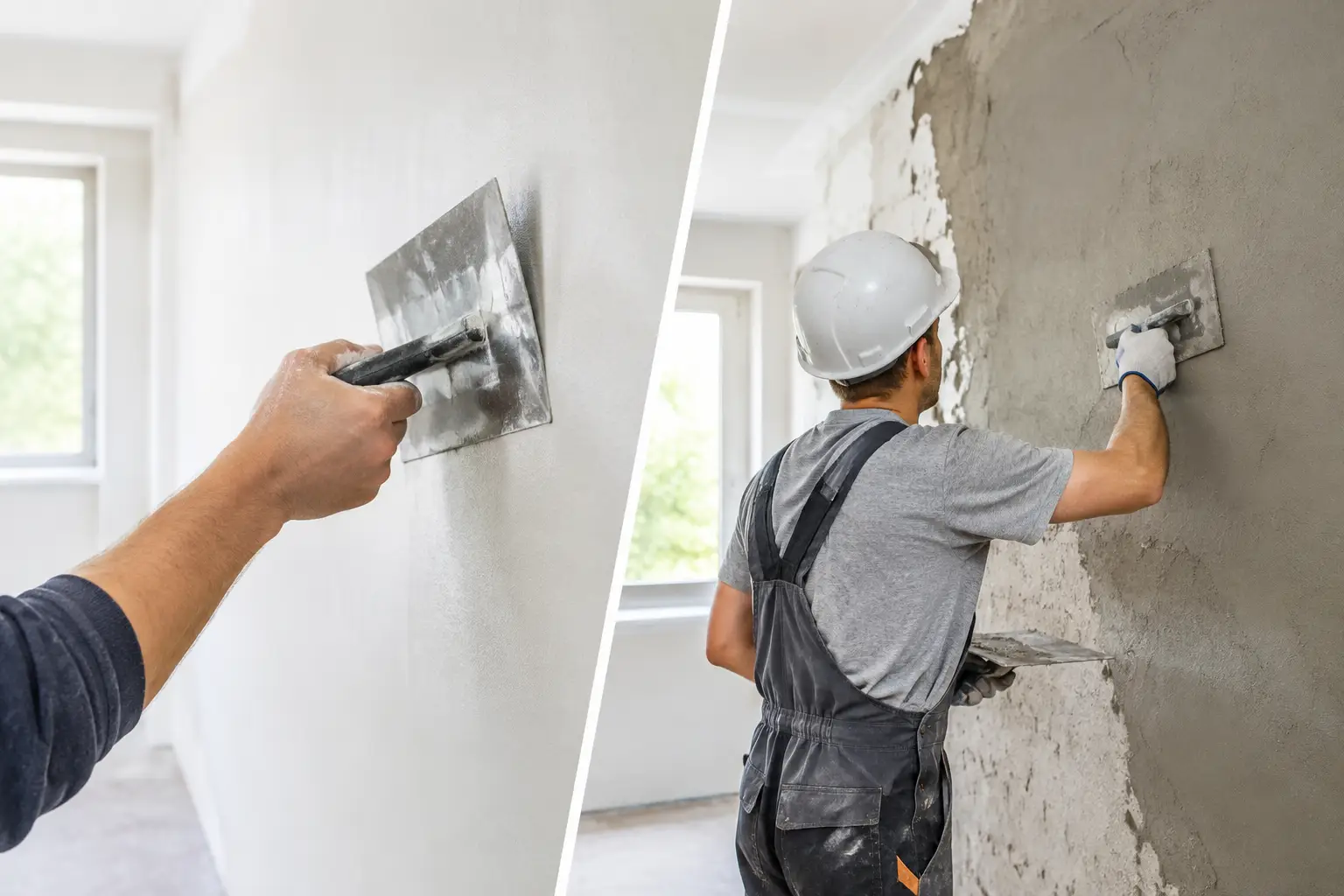
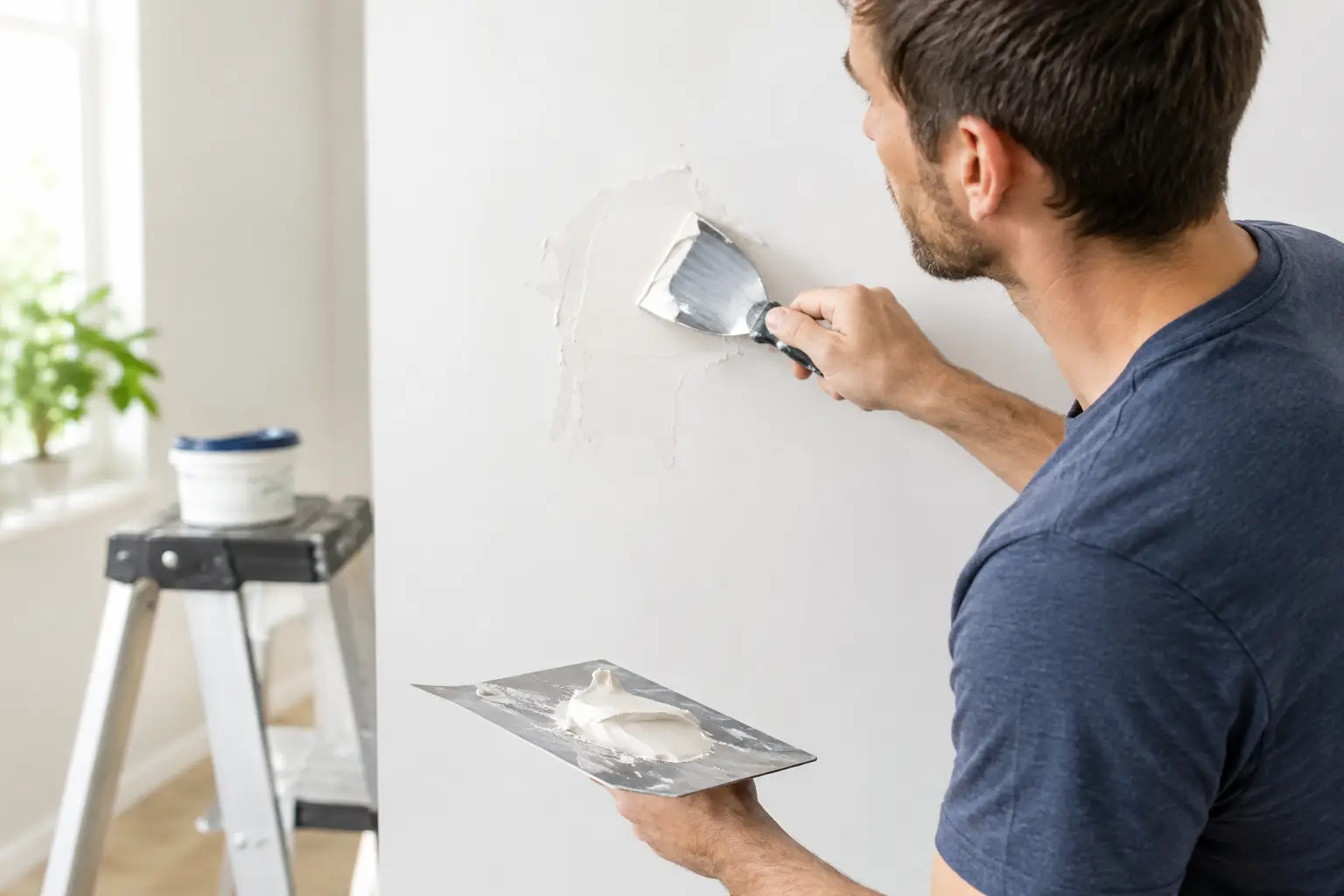
Then comes joint setting. This is where many jobs are won or lost. Tape needs to be embedded properly, compound built up in the right sequence, and each coat feathered so the wall reads as one surface rather than separate sheets. Sanding should refine the finish, not rescue a poor set. If a room fills with unnecessary dust, that is often a sign the preparation earlier in the process was not as controlled as it should have been.
New installation versus repair work
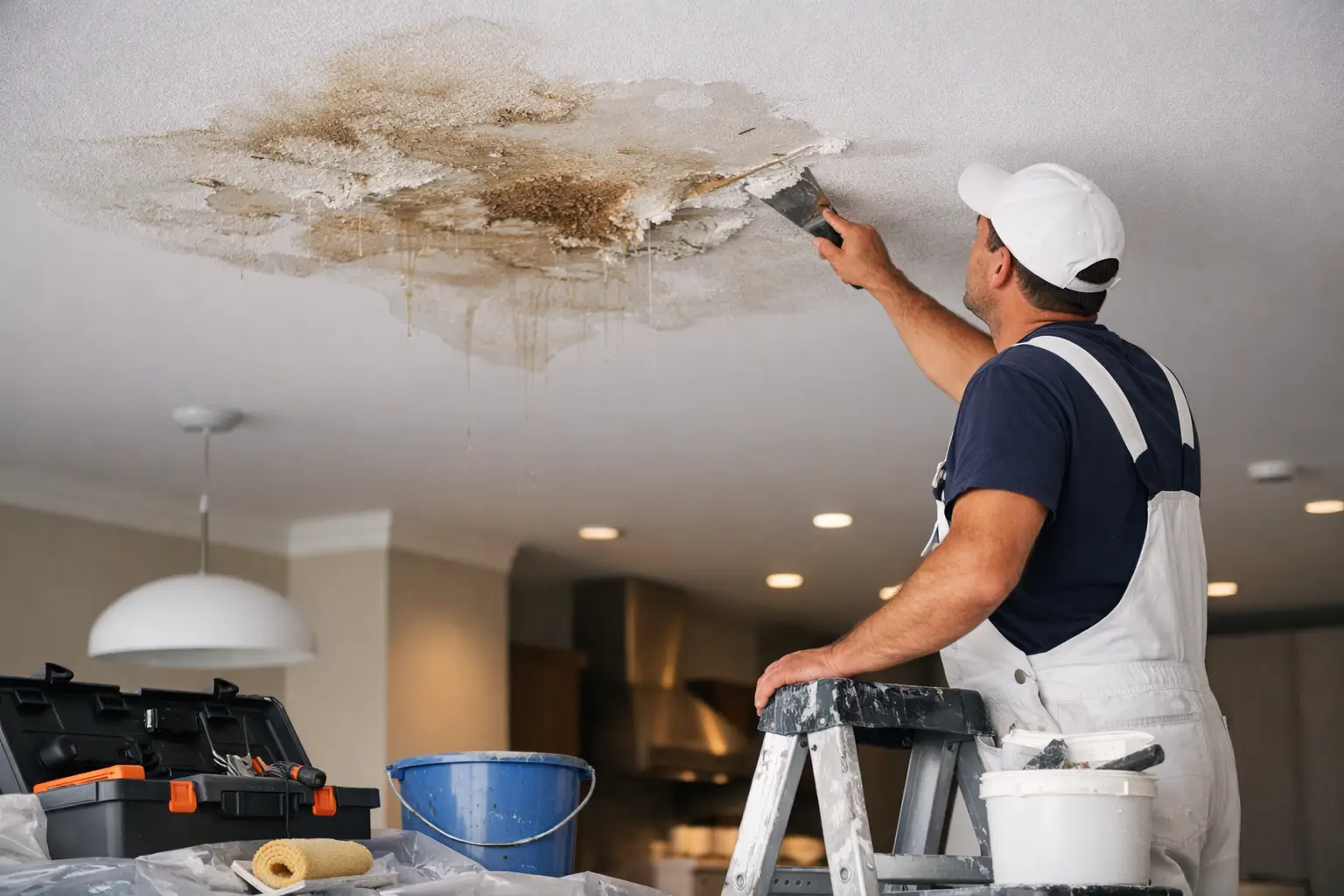
Not all wall lining jobs are full new installs. Many are repairs, and repairs usually need more judgement. Water-damaged walls, impact damage, movement cracks and failed previous patching all have different causes. Replacing a section of plasterboard without dealing with the reason it failed can leave the same issue returning months later.
Good repair work is about blending as much as replacing. The goal is not to make the wall merely usable. The goal is to make the repair disappear once painted. That means matching thickness, aligning surfaces, controlling build-up at joins and preparing surrounding areas so the patched section does not telegraph through.
Older homes can be more demanding again. Dimensions may not be perfectly true, and decorative elements can require careful transitions. In those settings, fast work is not always good work. A cleaner finish usually comes from slower, more deliberate handling.
What homeowners should ask before approving the job
You do not need to know trade terms to ask useful questions. Ask who will actually carry out the work. Ask whether the quote includes setting and sanding to a paint-ready standard. Ask how furniture, floors and adjacent rooms will be protected. Ask whether the price is fixed and what might cause a variation.
It is also worth asking how problem walls will be handled if the framing is uneven or existing surfaces are out. That is often where hidden extras begin on loosely prepared quotes. A careful tradesperson will explain the likely condition, the possible remedies and the expected finish before the work starts.
Communication matters as much as price. A clear answer is usually a good sign. Vague promises about making it work somehow are less reassuring when your home is the site.
Why tidy work practices matter more than people think
Wall and ceiling work can create dust, offcuts and disruption very quickly. In occupied homes, that affects more than convenience. It affects how manageable the project feels day to day.
A tidy operator plans for access, floor protection, waste handling and dust control from the start. That reduces stress for families and makes follow-on trades like painters far easier to schedule. It also reflects the broader standard of the job. Care on site usually points to care in the finish.
That is one reason many homeowners prefer owner-operated specialists over larger rotating crews. With Yong's Carpentry, the same experienced tradesperson personally handles every job, which keeps communication direct and accountability clear from quote to completion.
When plasterboard wall lining is worth upgrading
Standard plasterboard suits many rooms, but not every wall has the same demands. A family hallway, a rental property or a room with frequent furniture knocks may benefit from a more durable board. A bathroom or laundry may need moisture-resistant products. A wall that separates living areas can sometimes justify acoustic improvements.
The right choice depends on use, budget and long-term plans for the property. There is no point paying for upgraded performance where it offers no practical benefit. On the other hand, choosing purely on lowest material cost can be false economy if the wall is likely to take wear or moisture exposure.
A good tradesperson will not upsell for the sake of it. They will explain where an upgrade is useful, where standard board is perfectly fine and where the finish itself matters more than the product label.
A well-lined wall should disappear into the room. You should notice the paint colour, the light, the cabinetry or the artwork - not the joins under the surface. That quiet kind of quality is usually the result of careful hands, honest advice and work that is personally finished rather than pushed through.