Gyprock or Wet Plaster for Your Home?
A wall can look perfectly straight once it is painted, but the work underneath tells a very different story. When homeowners are weighing up gyprock or wet plaster, the right choice usually comes down to the age of the home, the finish you want, the condition of the existing surfaces, and how much disruption you can tolerate during the job.
For some homes, gyprock is the practical answer - faster to install, easier to repair, and usually more cost-effective. In other cases, wet plaster is the better fit, especially where character, solid feel, or heritage matching matter. There is no single best option for every room. The best result comes from choosing the system that suits the house, not forcing the house to suit the system.
Gyprock or wet plaster: what is the difference?
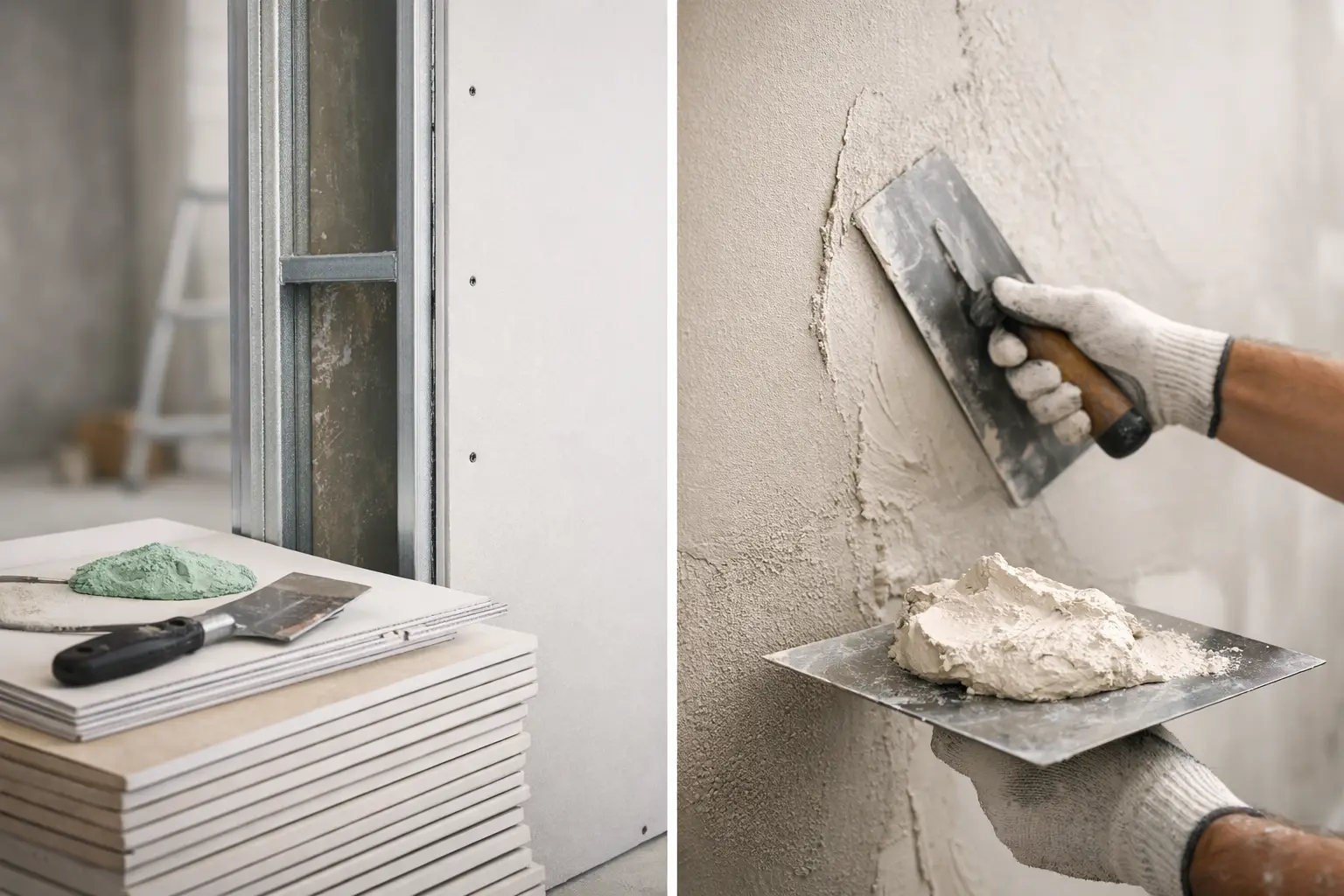
Gyprock is a plasterboard sheet fixed to timber or steel framing, or sometimes over existing surfaces depending on the job. Joints are taped and set, then sanded to create a smooth, paint-ready finish. In most modern homes, walls and ceilings are lined this way because it is efficient, consistent and relatively straightforward to repair later.
Wet plaster is applied in layers by hand over a solid base or lath, depending on the construction. It is a more traditional system and has a denser, harder feel once cured. In older homes, particularly character homes, wet plaster is often part of the original fabric of the building.
From a distance, both can appear similar once painted. Up close, and especially during repairs or renovations, the differences matter. Wet plaster can offer a more solid, hand-finished look, while gyprock gives a clean, reliable finish that suits most residential work.
When gyprock makes more sense
If you are renovating a standard bedroom, replacing a damaged ceiling, building partition walls, or updating tired surfaces, gyprock is often the sensible choice. It allows for quicker installation, cleaner lines and more predictable pricing. For homeowners who want clear communication, fixed pricing and no surprises, that predictability matters.
Gyprock also works well when new services are being added. If you are installing recessed LED lighting, bulkheads or ceiling features, plasterboard systems make those additions easier to frame, line and finish neatly. The same applies when an old sagging ceiling needs to be removed and replaced. In many of these cases, wet plaster would add cost and time without adding real value to the finished room.
Another advantage is repairability. A cracked joint, accidental hole, or water-damaged section of plasterboard can often be cut out, replaced and blended back to a paint-ready finish with less disruption than a full traditional plaster repair. The quality of that repair still depends heavily on the tradesperson. Done properly, the patched area should disappear once painted. Done poorly, it will catch the light every afternoon.
When wet plaster is worth keeping or restoring
Wet plaster becomes more important when you are dealing with an older home that was built with it in the first place. If the walls have decorative details, heritage cornices, or subtle hand-formed character, replacing everything with gyprock can strip the room of its original feel.
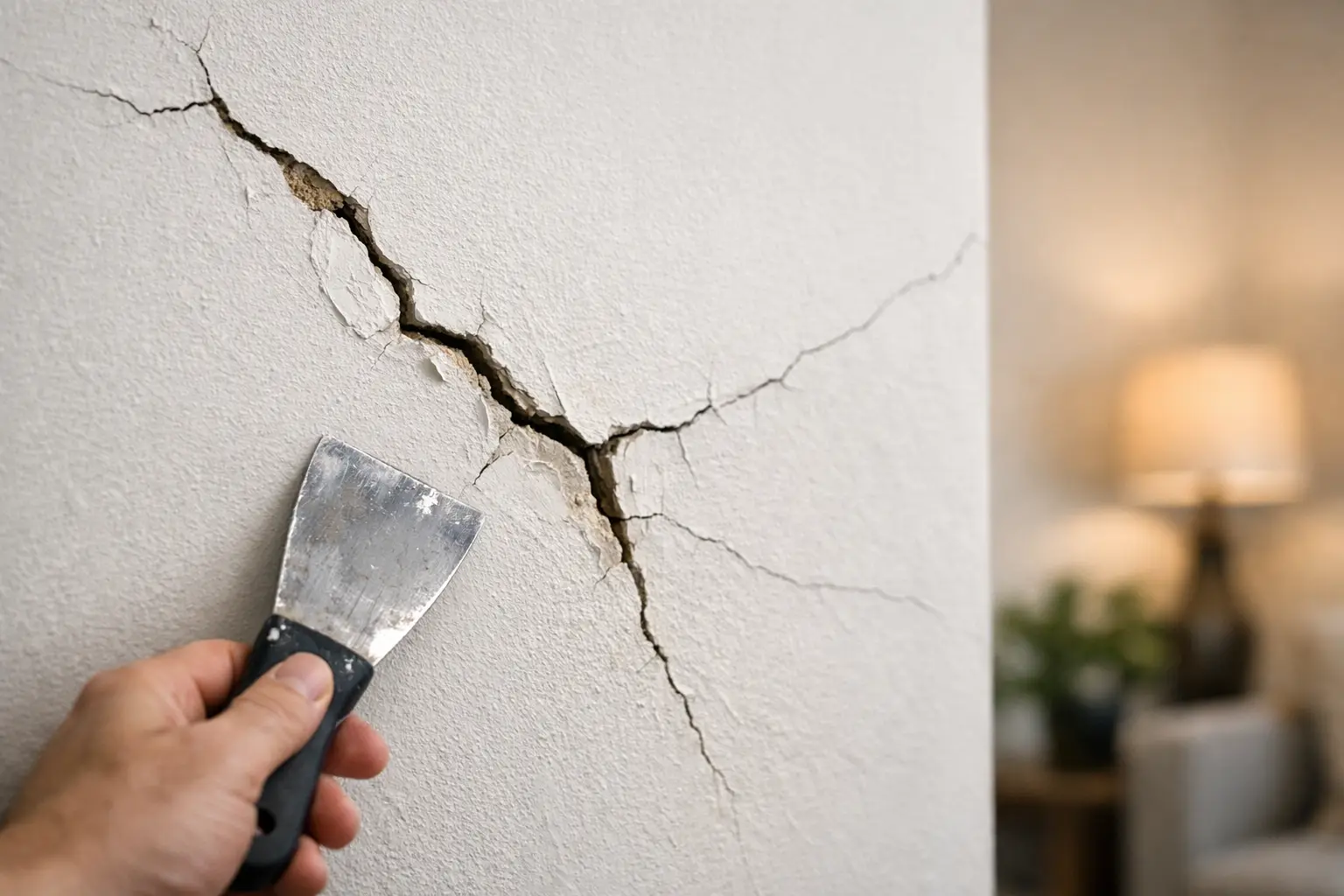
In some homes, the better approach is not replacement but selective restoration. Cracks can be stabilised, loose areas can be repaired, and damaged sections can be rebuilt to match the surrounding surface. That takes more care than simply sheeting over the problem, but it preserves details that are difficult to replicate with standard modern materials.
There is also the question of feel. Wet plaster tends to sound and feel more solid. Some homeowners notice that immediately, especially in older houses where the depth and texture of the wall surface contribute to the overall character. If maintaining that character matters, the repair method should respect it.
Gyprock or wet plaster for ceilings
Ceilings deserve special attention because they show defects quickly. Light travels across them, and even a small wave, patch edge or poor join can become obvious once painted.
For most ceiling replacements, gyprock is the standard choice. It is efficient, stable when installed correctly, and well suited to modern flat ceilings, set joints, cornices and bulkhead work. If you are replacing a water-damaged ceiling in a family home, gyprock will usually be the most practical and cost-effective path.
Wet plaster ceilings are a different matter. In older homes, they can crack, sag or delaminate over time. Some can be repaired safely and invisibly. Others are too far gone and need partial or full replacement. This is where experience matters. The wrong call can waste money - either by over-restoring a ceiling that should have been replaced, or by replacing original work that could have been saved.
Cost, time and mess
Homeowners usually want an honest answer on cost, and the reality is simple: gyprock is generally cheaper than wet plaster for new work and straightforward replacement jobs. Materials are standard, labour is more predictable, and drying times are easier to manage.
Wet plaster is usually more labour-intensive. It calls for a higher level of hand skill, and matching existing work can be slow. That does not mean it is overpriced. It means you are paying for craft, time and compatibility with the building.
Time on site is another factor. A plasterboard wall or ceiling can move from installation to a paint-ready stage faster in many cases, although drying times for compound still apply. Wet plaster can involve longer curing periods and more process steps depending on the system used.
As for mess, both methods create it if the job is not managed properly. Dust control, floor protection and tidy work habits make a bigger difference than the material alone. Homeowners tend to remember how the tradesperson worked in the house just as much as the final finish.
The finish matters more than the material
A common mistake is assuming the product alone determines the result. It does not. A gyprock wall installed and set by a meticulous plasterer can look excellent. A wet plaster repair carried out without care can stand out badly. The finish depends on preparation, straightness, joint treatment, sanding, profile matching and how well the new work blends into the old.
This is especially true in lived-in homes. Renovation work rarely happens in perfect conditions. Existing framing may be out, old surfaces may have moved, and previous repairs may have created hidden problems. Good tradespeople allow for that. They explain where a perfectly flat result is realistic and where some compromise comes with the age of the structure.
That honest conversation is often more valuable than hearing what you want to hear.
How to choose for your home
If your home is relatively modern, your walls or ceilings need replacement, and you want a clean, efficient result, gyprock will usually be the right fit. It suits most residential upgrades and repair work.
If your home has original plaster features, heritage details, or a solid traditional feel worth preserving, wet plaster repair or restoration may be the better path. In some projects, the answer is not one or the other. It is both. A home might keep wet plaster in formal rooms while using gyprock in a new extension, repaired ceiling section or updated hallway.
That mixed approach is often the most sensible because it respects the house while keeping the project practical.
For Perth homeowners, there is also the issue of heat, movement and past water damage. Ceilings in particular take a beating over time. What looks like a simple crack can be minor movement, or it can be a sign that the underlying material has failed. Before choosing gyprock or wet plaster, it is worth having the surface assessed properly so the repair matches the cause, not just the symptom.
At Yong's Carpentry, that boutique approach matters because the hands that quote your job are the hands that finish it. On wall and ceiling work, that direct accountability helps homeowners get a recommendation based on the house in front of us, not a one-size-fits-all sales pitch.
The best choice is the one that leaves you with a surface that looks right, lasts well and does not create extra problems down the track. A good wall or ceiling should disappear into the room. That is usually the clearest sign the job was done properly.