What Causes Plaster Wall Cracks?
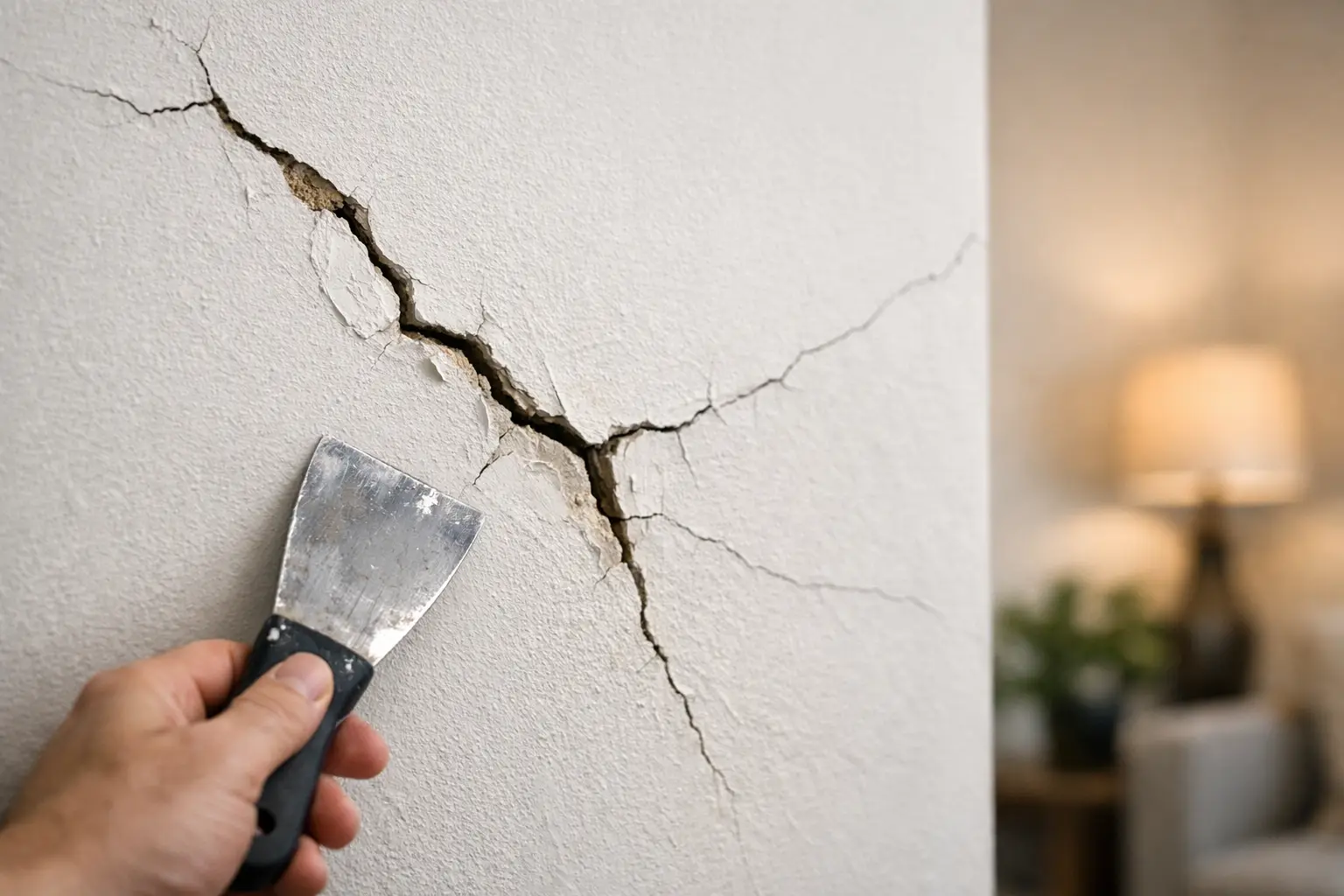
A hairline crack above a doorway can look harmless one month, then suddenly stand out after a hot summer, heavy rain or a fresh coat of paint. That is usually when homeowners start asking what causes plaster wall cracks, and whether they are dealing with normal ageing or a sign that something underneath is moving.
The honest answer is that plaster cracks for a few different reasons. Some are minor surface issues that come with settling, temperature changes or old repairs. Others point to moisture, structural movement or plasterboard joints that were not installed or finished properly in the first place. The key is not just spotting the crack, but understanding its pattern, location and behaviour over time.
What causes plaster wall cracks most often?
In most homes, plaster wall cracks come down to movement. Houses move slightly as materials expand, contract, settle and respond to seasonal conditions. Even a well-built home is not completely rigid. Over time, those small movements show up at the weakest points in the wall lining, especially around corners, door frames, windows and joints.
That does not automatically mean there is a serious structural issue. Fine cracking at stress points is common, particularly in older homes or rooms that have gone through repeated heating and cooling. The problem is that cosmetic cracks and more serious cracks can look similar at first glance, so the cause needs to be read carefully rather than guessed.
Normal settling and minor movement
One of the most common causes is normal building movement. As a house settles, tiny shifts can occur in framing, foundations and wall linings. Plaster is hard and relatively brittle, so it tends to show these changes sooner than more flexible finishes.
This kind of cracking is often fine and localised. You may notice it over internal doors, at the corners of windows or where walls meet ceilings. If the crack is narrow, stable and not getting worse, it is often a repair issue rather than an urgent structural one.
Temperature and humidity changes
Plasterboard, timber framing and setting compounds all react differently to heat and moisture in the air. In Perth, that matters. Dry heat, cooler nights and seasonal swings can create a cycle of expansion and contraction that slowly stresses joints and corners.
When materials move at different rates, the finished surface can split along the taped joint or at junctions where one surface meets another. This is one reason cracks sometimes seem more visible at certain times of year.
Poor joint installation or rushed finishing
Not every crack is the house's fault. Some are caused by the way the wall was lined or repaired. If plasterboard sheets were not fixed properly, if joints were poorly taped, or if the wrong compound was used, the finish may crack well before it should.
This is especially common in patched areas where the surface has simply been filled and sanded without properly reinforcing the joint underneath. A quick cosmetic fix can look neat for a while, but if the underlying movement is still there, the crack usually comes back.
Moisture is a major cause of plaster cracking
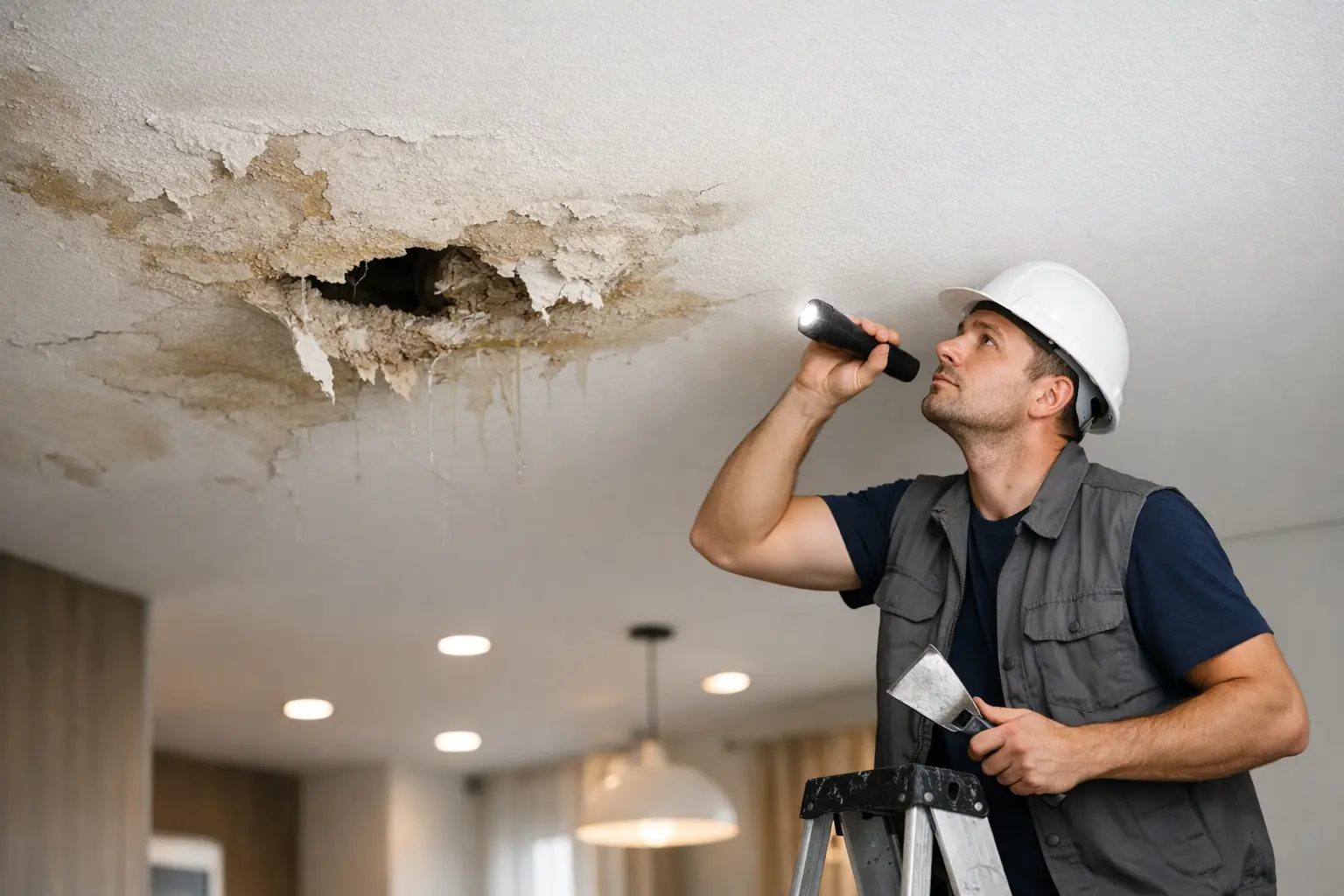
Water changes everything. If plaster has been exposed to a roof leak, plumbing leak, rising damp or ongoing condensation, it can soften, swell, stain and lose adhesion. Once that happens, cracking is rarely the only problem.
Moisture-related cracks often come with other signs such as bubbling paint, sagging sections, discolouration or a musty smell. In ceilings, the warning signs can be more obvious. In walls, the damage may stay hidden longer, especially if it is inside the cavity.
Leaks behind the wall or above the ceiling
A slow plumbing leak inside a wall can gradually affect plasterboard and the framing around it. Roof leaks can do the same from above. Even if the area dries out, the material may already be weakened, and surface cracking can appear later.
The repair here is not just about filling the crack. The source of the moisture must be found and fixed first. Otherwise the finish work is being asked to hide an active problem, which never lasts.
Damp and repeated condensation
Bathrooms, laundries and poorly ventilated rooms are common trouble spots. Repeated moisture exposure can break down paint systems and joint compounds over time. In some cases, the crack itself is small, but the surrounding surface feels soft or flaky.
That is a different repair scenario from a dry hairline crack in a hallway. It calls for careful preparation, removal of damaged material where needed, and making sure the area is dry and stable before patching begins.
When cracks point to something more serious
Most plaster cracks are not an emergency, but some deserve a closer look. Width matters, but so does shape. A straight hairline at a plasterboard joint is one thing. A stepped crack, a diagonal crack running from a window corner, or a crack that keeps reopening after repair can suggest more significant movement.
If doors start sticking, skirting gaps open up, or you notice several new cracks appearing across different rooms, the issue may go beyond the surface lining. Plaster is often just the messenger. The real movement could be in the framing, footing or supporting elements of the home.
Warning signs worth taking seriously
A crack may need further assessment if it is wider than a few millimetres, changing quickly, paired with obvious sagging, or accompanied by water staining. The same goes for recurring cracks that have already been patched more than once.
Older homes can be more complex again. Previous renovations, mismatched materials, ageing lath and plaster, or patched-over movement from years ago can all complicate what looks like a simple repair.
What causes plaster wall cracks after a repair?
This is a common frustration. A wall gets patched, painted and looks fine, then the crack returns. Usually that happens because the repair addressed the symptom, not the cause.
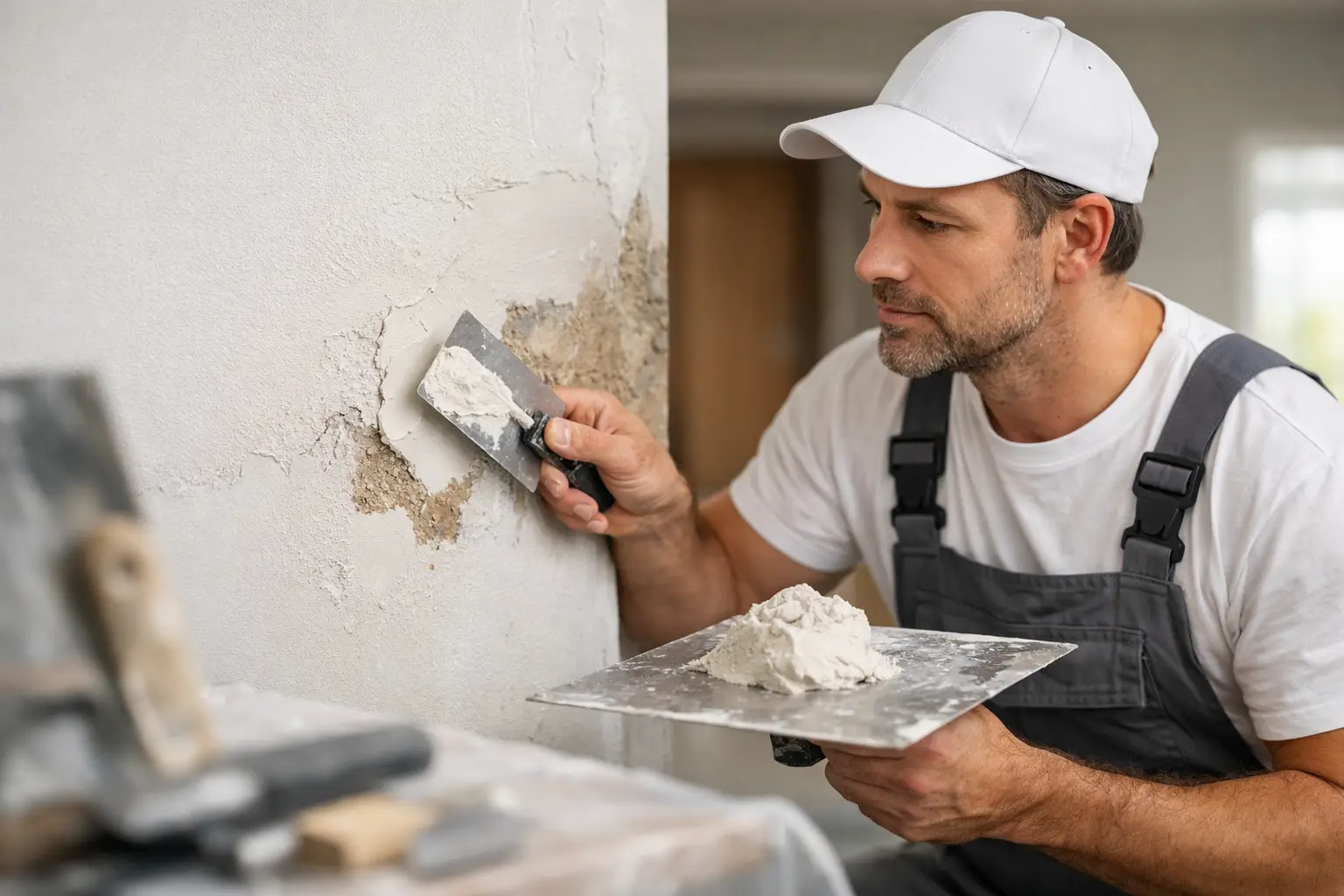
If the area was simply filled without cutting out loose material, retaping the joint or stabilising the substrate, the repair remains weak. The same applies if movement is ongoing and no allowance has been made for it. Good repair work is less about hiding a line and more about rebuilding that section so it can hold up properly.
There is a trade-off here. A small cosmetic crack can sometimes be repaired cleanly with minimal disruption. But where movement, moisture or failed jointing is involved, a longer-lasting result often means opening the area up a bit more and doing the job properly.
How a specialist reads the crack
The location of the crack says a lot. Cracks at cornice lines, sheet joints, internal corners and around openings each suggest different stresses. So does the edge quality. A sharp, fine split behaves differently from a crumbly or swollen crack line.
A careful inspection usually looks at the wall finish, the framing behaviour, any signs of damp, and whether the crack matches known weak points in the room. That is why experienced repair work tends to be more accurate than a quick fill-and-paint approach. The cause has to be read first, then the repair method matched to it.
For homeowners, this matters because the cheapest fix is not always the least expensive outcome. If a crack returns in six months, you are paying twice and repainting twice.
Should you repair it now or monitor it?
If the crack is fine, dry, stable and isolated, monitoring it for a short period can be sensible. A pencil mark at each end or a few dated photos can help you see whether it is actually moving or simply becoming more noticeable in changing light.
If it is widening, staining, lifting, or appearing alongside other signs of movement, it is better to get it assessed sooner rather than later. Small cracks are usually easier to repair neatly before the surrounding area breaks down further.
For decorative finishes, cornices or older wall profiles, early attention also helps preserve a cleaner result. Once edges crumble or paint films start peeling, more restoration work is often needed to get back to a paint-ready finish.
A good plaster repair should leave the wall looking calm again, not patched, lumpy or waiting to crack somewhere nearby. That comes from understanding the cause, preparing the area properly and finishing it with care. If you are looking at a crack and wondering whether it is cosmetic or a sign of something deeper, trust the pattern more than the paint - surfaces usually tell the truth if you know how to read them.