Heritage Cornice Matching Done Properly
A patched ceiling can be fixed in a day. A mismatched cornice can look wrong for decades.
That is why heritage cornice matching matters so much in older homes. When a section has cracked, fallen away or been cut out during repairs, the replacement needs to sit naturally with the original room - not just in size, but in profile, line, depth and finish. If the new work is even slightly off, your eye goes straight to it.
For homeowners working on character homes, this is often where a straightforward repair becomes a craftsmanship job. It is not only about filling damage. It is about respecting what is already there and restoring the room so the repair disappears.
What heritage cornice matching really involves
Many people assume cornice matching is simply finding a similar shape from a catalogue. Sometimes that works in newer homes with common profiles. In heritage properties, it often does not.
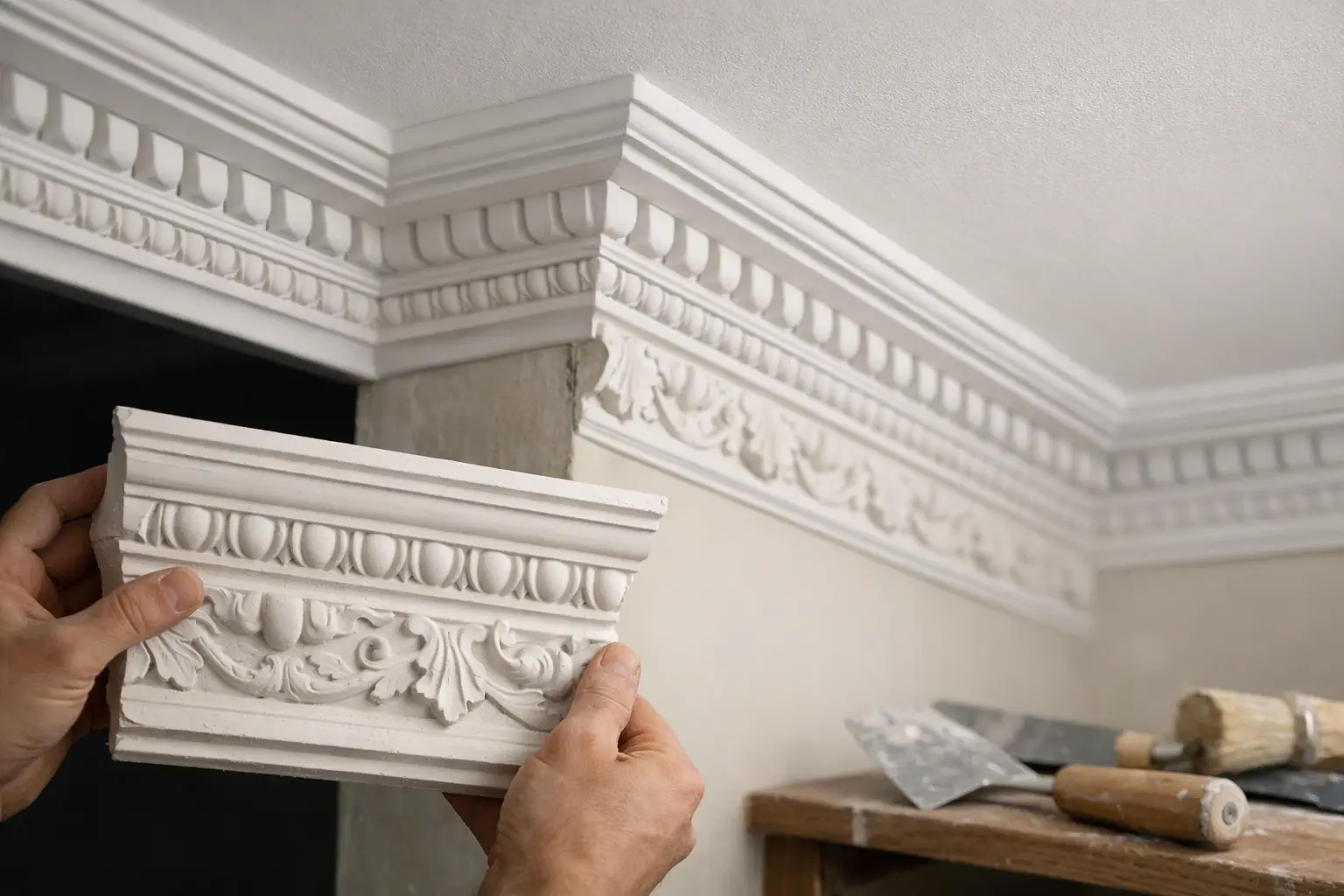
Older cornices can vary in subtle but important ways. The projection may be deeper. The curve may be softer. The step detail may sit slightly higher on the wall. Even homes built in the same era can have different profiles depending on the builder, the plasterer, or later alterations.
Proper heritage cornice matching starts with close inspection. The existing profile needs to be checked for dimensions, shape, condition and how it meets the wall and ceiling. A good match is not judged from one angle. It has to read correctly across the room, especially once painted.
That means there is usually a process of measuring, comparing and, where needed, making a custom solution rather than forcing a near-enough off-the-shelf profile into place.
Why small differences stand out
Cornice sits high in the room, but it is one of the strongest visual lines in any interior. It frames the ceiling, carries the eye around the perimeter and helps define the age and character of the space.
When a replacement section is too plain, too sharp or too bulky, the room loses consistency. This can be especially noticeable in front rooms, hallways and formal living areas where decorative detail plays a big part in the overall feel.
It is also worth remembering that paint does not hide poor matching. Fresh paint can actually make profile differences more obvious because it removes the visual distraction of stains, cracking or age. Once everything is one colour, any inconsistency in shape becomes easier to spot.
Heritage cornice matching after damage or renovation
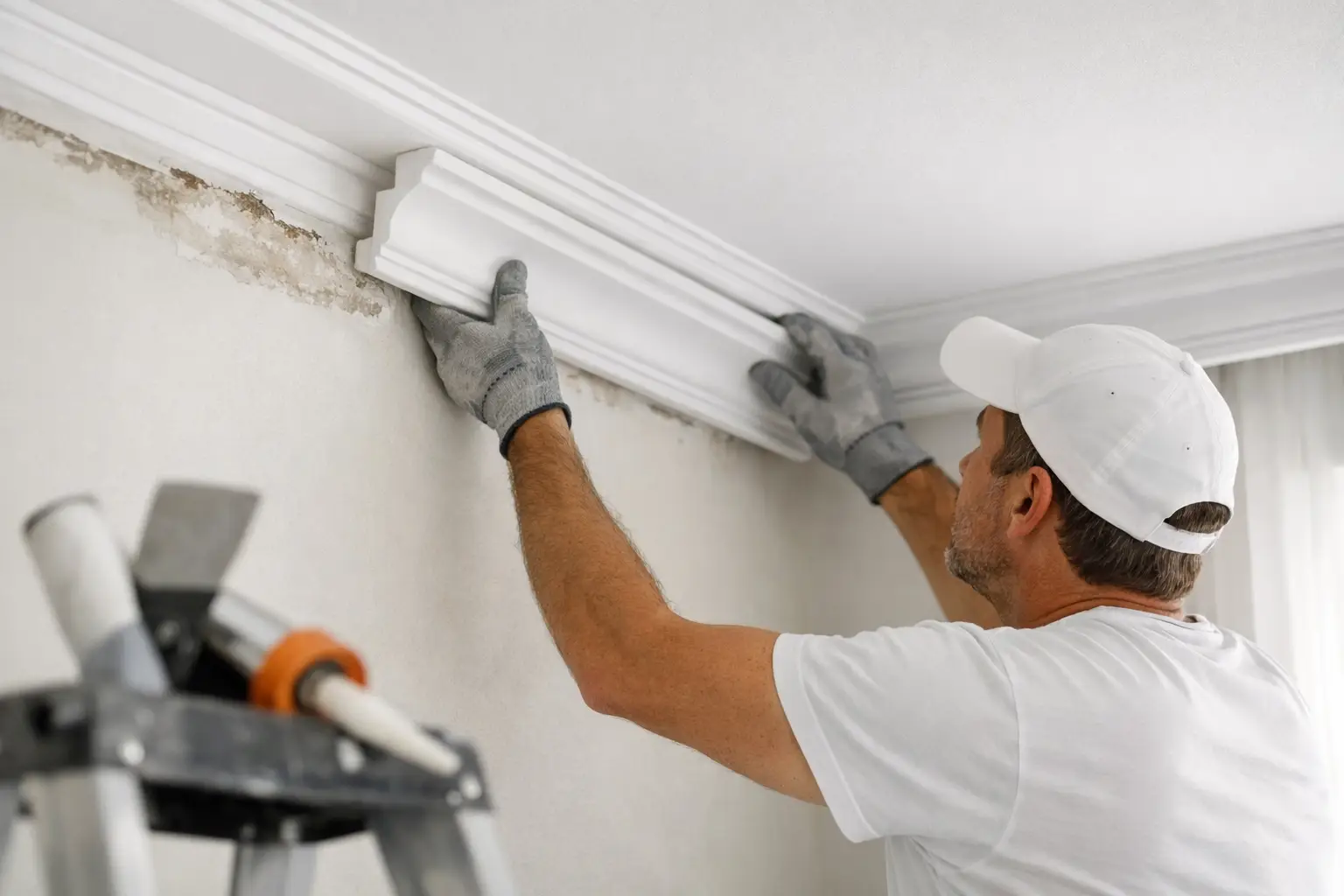
Most matching jobs begin after something has gone wrong. Water damage is common. A leaking roof, failed shower waterproofing upstairs or long-term moisture issue can soften plaster and cause sections to sag or break away. In other homes, electricians or renovators may remove part of a cornice to access wiring, install cabinetry or alter walls.
There are also cases where one section has been replaced badly in the past. The profile may be close, but not close enough. The join may be rough. The line may dip. In those situations, fixing the earlier repair can be just as important as addressing the original damage.
The right approach depends on how much of the cornice is affected. If the damaged area is isolated and the original profile can be accurately reproduced, a localised repair usually makes sense. If large parts of the room have already been altered with mismatched sections, replacement across a longer run may give a cleaner and more consistent result.
How a profile is matched
Heritage cornice matching starts with the profile
The profile is the exact shape of the cornice when viewed from the end. Getting that shape right is the whole job.
In some cases, the profile matches a standard pattern that is still available. That is the simplest option, but it still needs careful checking. A profile that looks similar in a brochure can sit differently once installed beside old plasterwork.
Where no standard match exists, the profile may need to be reproduced from the existing section. This can involve taking a template from an intact area and using it to create a replacement that follows the original detail. That part of the work takes patience. It is not just copying the main curve. Small beads, steps and edges all affect how believable the finished repair looks.
The installation matters as much as the profile itself. A good match can still fail visually if the new section is not aligned properly, if joins are bulky, or if the transition into existing work is abrupt. This is where experience with invisible repair work makes a real difference.
Repair versus replacement - what makes sense?
Homeowners often ask whether they should repair a damaged section or replace the whole room. The honest answer is that it depends on the extent of the issue, the condition of the surrounding cornice and the profile available.
If most of the original cornice is sound, preserving it is usually the better outcome. You keep more of the room's original fabric, and the work stays focused where it is needed. This is often the case with isolated water damage or accidental breakage.
If the room has multiple failed repairs, extensive cracking or long runs of badly matched replacement cornice, broader replacement may be more practical. It can also save money in the long run if repeated patching would still leave an inconsistent finish.
A careful tradesperson should explain that trade-off clearly. Heritage work is not about pushing the largest scope. It is about choosing the option that gives the cleanest final result without unnecessary disruption.
The finish is what people notice
A profile can be accurate and still look poor if the finishing is rushed. Heritage cornice matching needs neat joints, controlled setting, smooth blending and proper preparation for paint.
This is especially important around repaired ceilings and walls. If the surrounding surfaces are uneven, cracked or newly sheeted, the cornice work has to be integrated properly so the whole area looks intentional. Otherwise the room ends up with one repaired element that highlights problems beside it.
A paint-ready finish should look settled, straight and consistent before the painter arrives. There should be no lumpy joins, no obvious edge lines and no sections that read as newer than the rest. In a lived-in home, tidy work practices matter too. Dust control, floor protection and clear communication make the process easier for the household, not just the tradesperson.
What to ask before booking heritage cornice work
If you are comparing quotes, do not stop at price. Ask how the profile will be identified and whether the proposed match is standard or custom. Ask who will actually do the work and whether the person quoting understands decorative plaster repairs, not only general installation.
It is also fair to ask how visible the repair is expected to be once painted. No decent operator can promise perfection in every circumstance, especially where old surfaces are out of square or previous work has complicated the room. But they should be able to explain the likely outcome in plain terms.
This is the kind of work where direct accountability helps. With an owner-operated specialist such as Yong's Carpentry, the same person can assess the profile, plan the repair and personally finish the job. That continuity usually leads to better decisions and fewer surprises.
When matching matters most in Perth homes
In Perth, heritage and character homes often carry decorative details that newer builds simply do not have. Once those details are damaged, replacing them carelessly can chip away at the home's identity room by room.
That does not mean every old cornice needs museum-level restoration. It means the repair should suit the age and style of the house, and it should look right in normal daily use. For many homeowners, the goal is simple: keep the room feeling original, clean and well cared for.
That is exactly where careful heritage cornice matching earns its value. It protects the character of the home, avoids the distraction of obvious patchwork and gives you a result that still looks right years after the paint has dried.
If you are repairing an older ceiling, take the extra time to get the cornice right. It is one of those details that quietly carries the whole room.