How to Choose a Ceiling Installer You Can Trust

A ceiling can hide a lot of work - and a poor finish can be hard to ignore once the paint dries. Knowing how to choose a ceiling installer means looking beyond a quick price. You are trusting someone to work overhead in your home, protect your rooms, manage dust and access, and leave a surface that looks straight, smooth and ready for the next trade.
For a new ceiling, a repair after water damage or a feature bulkhead, the best choice is rarely the cheapest quote. It is the installer who understands the job in front of them, explains the scope clearly and takes responsibility for the finish.
Start with the type of ceiling work you need
“Ceiling installation” can mean very different things. A straightforward plasterboard ceiling replacement is not the same as repairing a sagging section, matching an older cornice profile, building a recessed LED cove or lining a ceiling beneath a roof-space issue.
Before requesting quotes, be clear about the outcome you want. Is the ceiling damaged because of an old roof leak? Are you renovating and need bulkheads around cabinetry or air-conditioning? Do you need a crisp, paint-ready lining throughout a room? A specialist should ask these questions before offering a firm price.
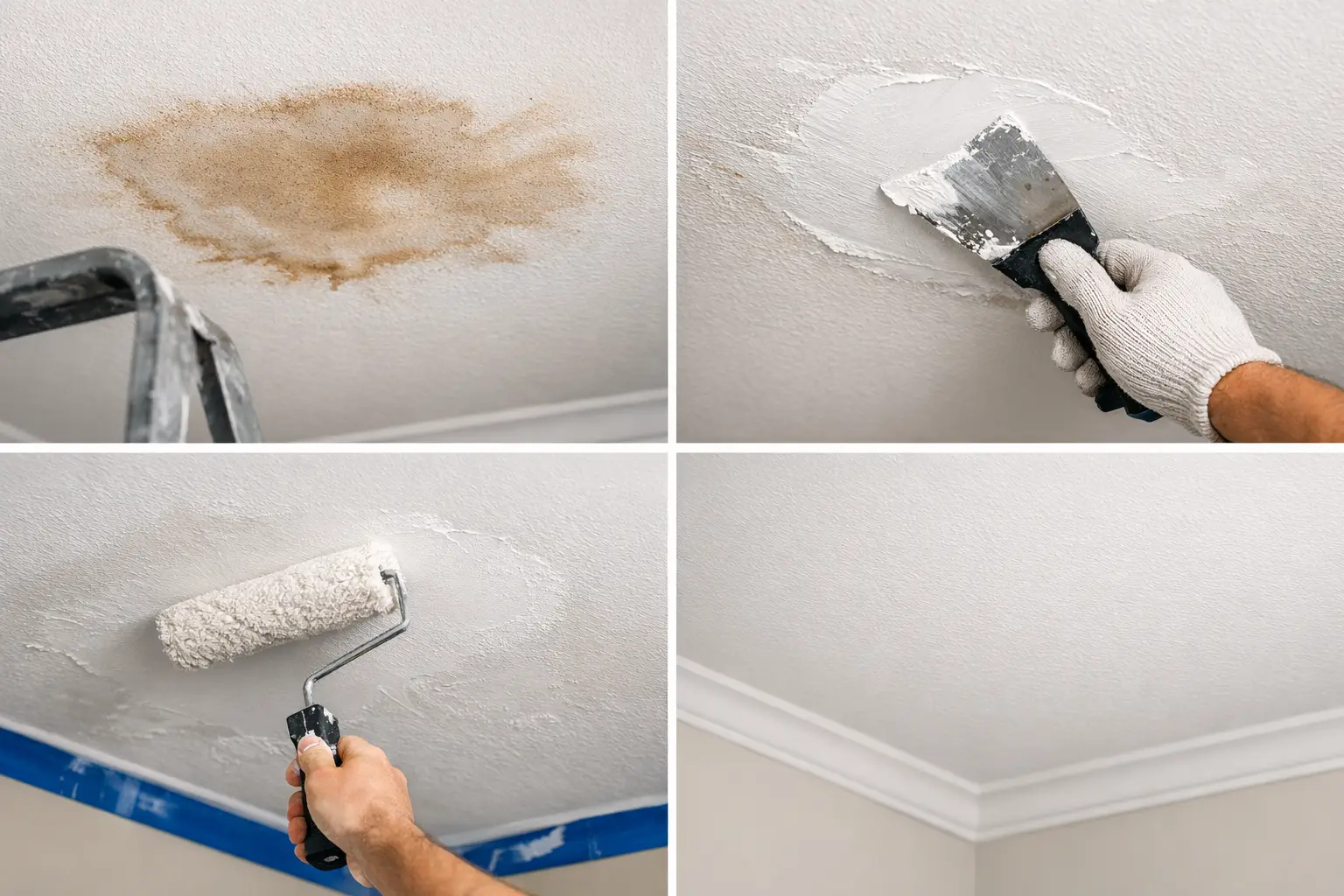
For repairs, the visible crack or stain is only one part of the job. If moisture, movement or a failed fixing caused the problem, simply patching the surface may create a short-lived result. A good installer will identify what needs to be resolved before the repair is closed up.
How to choose a ceiling installer for your home
The first useful test is simple: ask who will actually carry out the work. Some larger operators use a salesperson or estimator at the quote stage, then send a different crew to complete the job. That model can work, but it can also create gaps in communication when the scope changes or finishing details matter.
For residential ceiling work, direct accountability is valuable. An owner-operated specialist can inspect the site, explain the approach and personally follow the job through. The hands that quote your job are the hands that finish it. This is especially helpful in lived-in homes, where access, furniture protection and daily communication affect the experience as much as the final ceiling.
Ask each installer about relevant experience with work like yours. A contractor who mainly works on broad commercial fit-outs may not be the right fit for a detailed heritage cornice repair. Likewise, a handyman who can patch a small hole may not have the systems or finishing skill needed for an entire ceiling replacement.
Look for evidence of finishing skill
A ceiling does not have to be ornate to demand precision. Natural light from windows, downlights and LED strips can reveal uneven joints, poor sanding and ripples that were not obvious during installation. The quality you are paying for is in the preparation as much as the boards themselves.
Ask to see examples of completed work that are similar in scale and style. Look closely at ceiling-to-wall lines, joins around bulkheads, cornice mitres, access hatches and repairs around existing light fittings. A good finish should look consistent across the room, not merely acceptable from one angle.
It is also worth asking what “paint-ready” means in the quote. Usually, it should mean joints are set, sanded and prepared to an appropriate standard for painting. It does not automatically mean painting is included, or that unrelated wall defects will be repaired. Clear language prevents assumptions on both sides.
Compare scope, not just the bottom-line price
Two ceiling quotes can appear to cover the same job while allowing for very different levels of preparation and protection. One may include demolition, disposal, insulation reinstatement, cornice removal, access holes, patching, sanding and site clean-up. Another may price only the new lining.
A written fixed-price quote should spell out what is included, what is excluded and what could cause a variation. It should also identify the materials and finish being allowed for where relevant. You do not need trade jargon, but you do need enough detail to compare like for like.
Before accepting a quote, check that it answers these practical questions:
- Will furniture, floors and nearby finishes be protected before work starts?
- Is removal of old ceiling material and rubbish disposal included?
- Are cornices, access panels, vents, light cut-outs and minor patching allowed for?
- Who coordinates electrical work if lights, fans or smoke alarms need to be moved?
- What happens if hidden damage, water issues or framing defects are found?
The lowest figure can become the most expensive option when essential items are left out and added later. Fixed pricing is reassuring only when the scope is properly defined from the start.
Check insurance, safety and site care
Working on ceilings often involves height, dust, heavy sheets and electrical fittings. Ask whether the installer is appropriately insured for residential work and whether they hold the required site safety credentials, including a White Card where applicable. If your project needs other trades, such as an electrician for new lighting, make sure responsibilities are clear.
For older Perth homes, ask about the approach to unknown materials before demolition. Some older linings, eaves and associated products may require extra caution. A professional will not guess or disturb suspicious material without the correct process.
Safety should not come at the expense of care inside your home. The practical signs of a considerate installer are often simple: contained work areas, floor protection, controlled dust, tidy tools and rubbish removed as the job progresses. Ceiling work can be disruptive, but it should not leave you with a house-wide clean-up after every day on site.
Ask how repairs will be made invisible
Repair work is where craftsmanship becomes obvious. A patch must sit flush with the surrounding ceiling, but that is only the beginning. The installer also needs to feather and finish the joint so it does not show under paint or changing daylight.
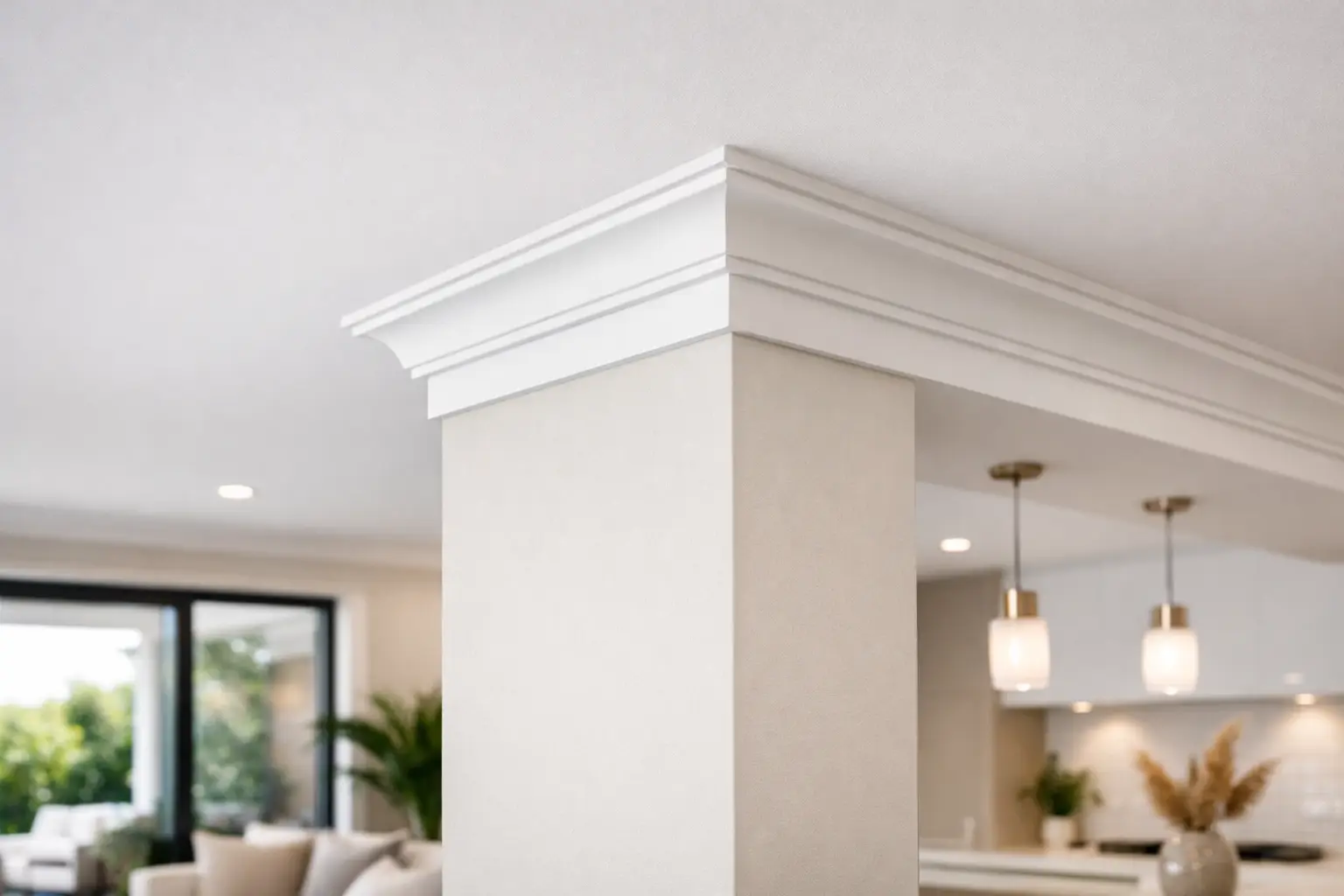
If your home has decorative cornices, ask whether the profile can be matched or repaired rather than replaced with the nearest modern alternative. In older homes, a slightly wrong profile can stand out more than the original damage. The same applies to textured or patterned ceilings, where blending needs a considered approach.
Be wary of anyone who promises a completely invisible repair without inspecting the site. A skilled professional can achieve an excellent result, but factors such as existing paint condition, ceiling movement, texture and lighting all affect what is possible. Honest expectations are a better sign than an overconfident promise.
Pay attention to communication before work begins
The quoting stage usually shows you what the working relationship will be like. Are calls returned? Does the installer arrive when arranged? Do they explain the options without pushing you into the most expensive one? Are you given a realistic start date and expected duration?
You should feel comfortable raising concerns about access, pets, children, parking or rooms that need to remain usable. A careful ceiling installer will plan around these details rather than treat them as an inconvenience. For Mandarin-speaking households, being able to discuss the quote and scope clearly in Mandarin can also remove unnecessary uncertainty.
Get the guarantee in writing
A written workmanship guarantee gives you a clear path if an issue appears after completion. Ask what it covers, how long it applies and how any concerns are handled. It is separate from manufacturer warranties on materials and should relate to the quality of installation and finishing.
Guarantees have sensible limits. They generally cannot cover future roof leaks, structural movement, plumbing failures or damage caused by other trades. What matters is that the installer explains those limits plainly and stands behind the work they control.
Choose the installer who makes the job feel clear
The right ceiling installer will not make a modest job sound complicated just to inflate the price. Equally, they will not pretend a complicated repair is a five-minute patch. They will inspect carefully, set out the work in plain English, provide a fair fixed price and leave your home tidy.
At Yong's Carpentry, that boutique approach means one experienced tradesperson personally handles the quote, planning and completion, with a focus on smooth finishes and clear communication from start to finish. Whether you choose an owner-led specialist or another qualified local professional, choose the person who is willing to be accountable for the detail you will see every day when you look up.