Interior Wall Lining Perth Done Properly
A wall can look straight from across the room and still reveal every join, screw line and uneven edge once the paint goes on. That is why interior wall lining Perth homeowners invest in should be treated as finish work, not simply a matter of putting plasterboard on a frame. The preparation behind the sheets, the quality of the set-out and the care taken at every joint all determine what you see for years afterwards.
For a new room, renovation, partition wall or repair after water damage, good wall lining creates the clean, solid surface that makes the rest of the space feel complete. It also needs to work with the home as it is - its framing, services, insulation, cornices, door openings and existing finishes.
What interior wall lining is designed to solve
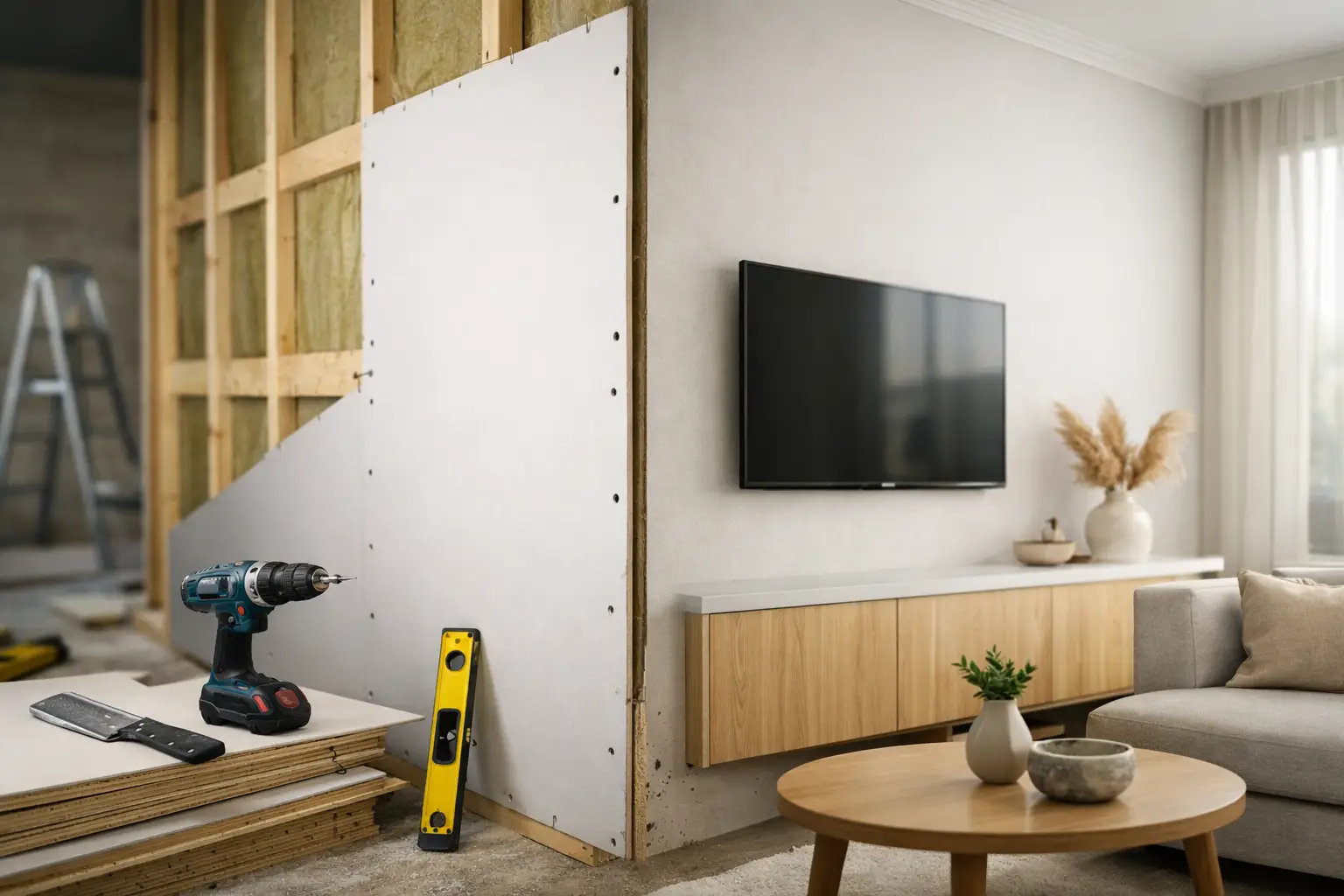
Interior wall lining usually means installing plasterboard to timber or steel framing, masonry walls or a newly built partition. Its role is practical as well as visual. It conceals wiring and plumbing, provides a surface for paint, can improve acoustic separation and creates crisp lines around ceilings, doors and windows.
The right approach depends on the wall in front of you. A new stud wall may only need correctly sized plasterboard, insulation where required and careful stopping. An older Perth home with uneven brickwork may benefit from a battened or framed lining system, which allows the finished wall to be brought true while leaving room for services. Where direct fixing is suitable, it can preserve more floor space, but the substrate must be dry, sound and sufficiently even.
There is no one-size-fits-all method. Choosing the fastest option without checking the wall first can leave you with bowed surfaces, difficult skirting installation or cracks that return after the painter has left.
The work behind a straight, paint-ready wall
A clean finish begins before the first sheet is lifted. The wall or frame should be checked for straightness, movement, moisture and the position of existing electrical points. On renovations, this is also the time to identify hidden issues such as loose framing, old water damage, poorly supported openings or wall sections that have been patched more than once.
Set-out matters more than most people expect
Plasterboard sheets need to be laid out so joints fall where they can be properly supported. Openings need accurate measuring, and external corners need protection that will stay sharp in a busy family home. Small set-out errors can compound quickly, leaving narrow filler strips, uneven reveals or cornices that do not sit neatly at the ceiling line.
A careful installer also considers what comes next. If you are fitting wall-mounted cabinetry, a television, shelves or grab rails, extra noggings may need to be installed before the wall is closed. This is far simpler and less disruptive than trying to find solid fixing points after painting.
The stopping stage creates the visible finish
A wall lining job is only as good as its joints. Taping, setting and sanding should produce a flat transition between sheets, not a raised band that appears in afternoon light. Screw heads need to be finished cleanly, corner beads need to sit straight, and each coat of compound needs appropriate drying time before the next stage.
Raking light is often the real test. Light running across a wall from a window, downlight or feature fitting can expose imperfections that were not obvious during installation. Dark paint, low-sheen finishes and glossy feature walls require even more attention. A paint-ready surface does not mean every project needs an elaborate finish system, but it does mean the expected paint colour, lighting and sightlines should be discussed early.
Choosing the right lining system for your home
Standard plasterboard suits many internal walls and ceilings, but it is not automatically the best board for every space. Wet areas require suitable wet-area lining systems. Noise between bedrooms, home offices or adjoining living areas may justify acoustic insulation and a higher-performing wall build-up. Fire-rated systems, where required, must be installed as a complete tested arrangement rather than pieced together from ordinary materials.
For a compact room, lining directly over a suitable masonry surface may be appealing because it takes up less space. For a wall that needs straightening or one carrying new services, battens or a stud frame can provide a better result. It is a trade-off between room size, budget, wall condition and the finish you expect.
If a room feels cold, noisy or hollow, wall lining alone may not solve the problem. Insulation, gaps around penetrations and the construction of adjoining ceilings can all affect performance. A proper on-site assessment prevents a cosmetic solution being sold as an acoustic or thermal upgrade.
Renovations and repairs need a different level of care
New work gives a plasterer a clean starting point. Repairs rarely do. Matching an existing wall means accounting for old paint build-up, settled framing, discontinued cornice profiles and the way surrounding surfaces have aged.
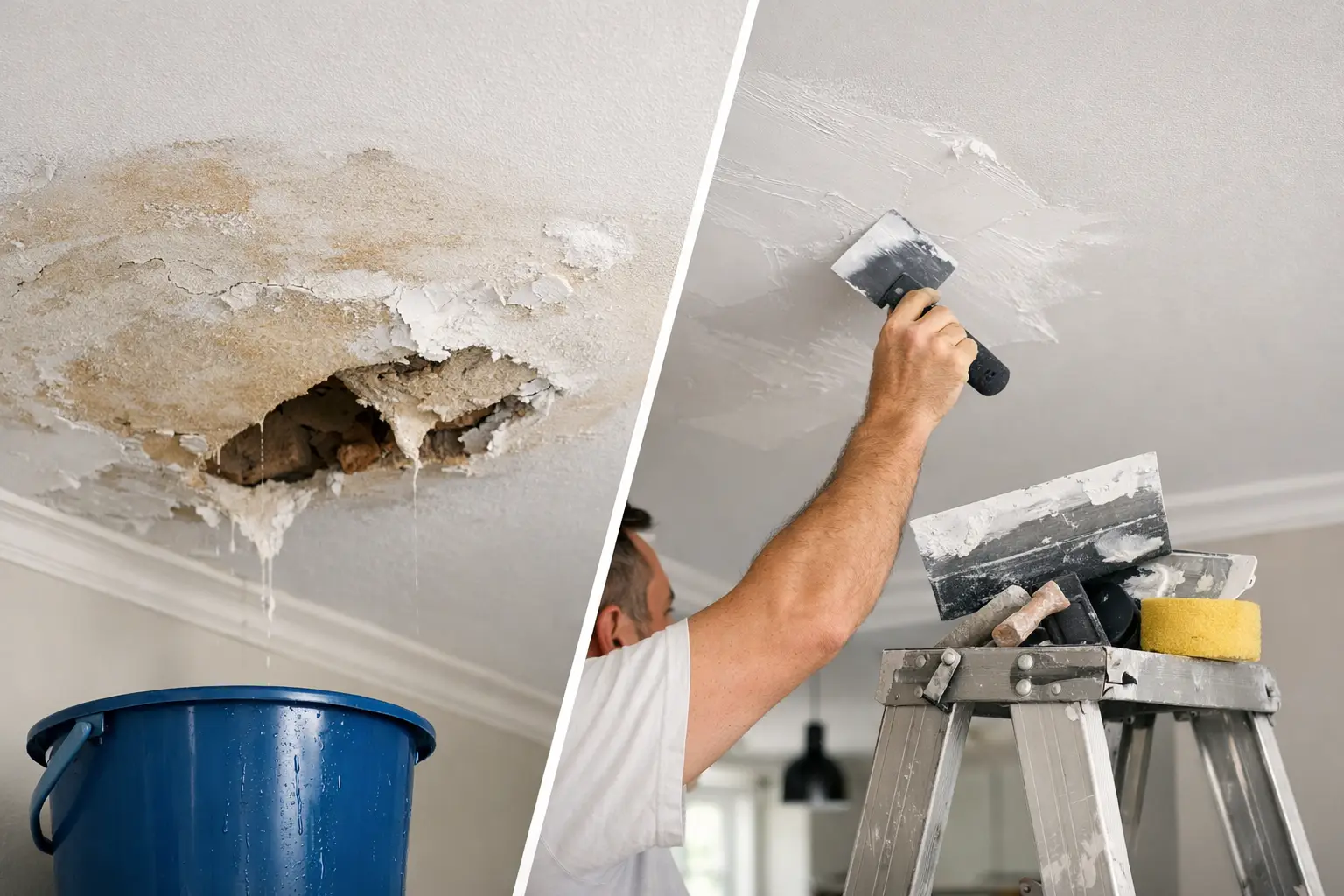
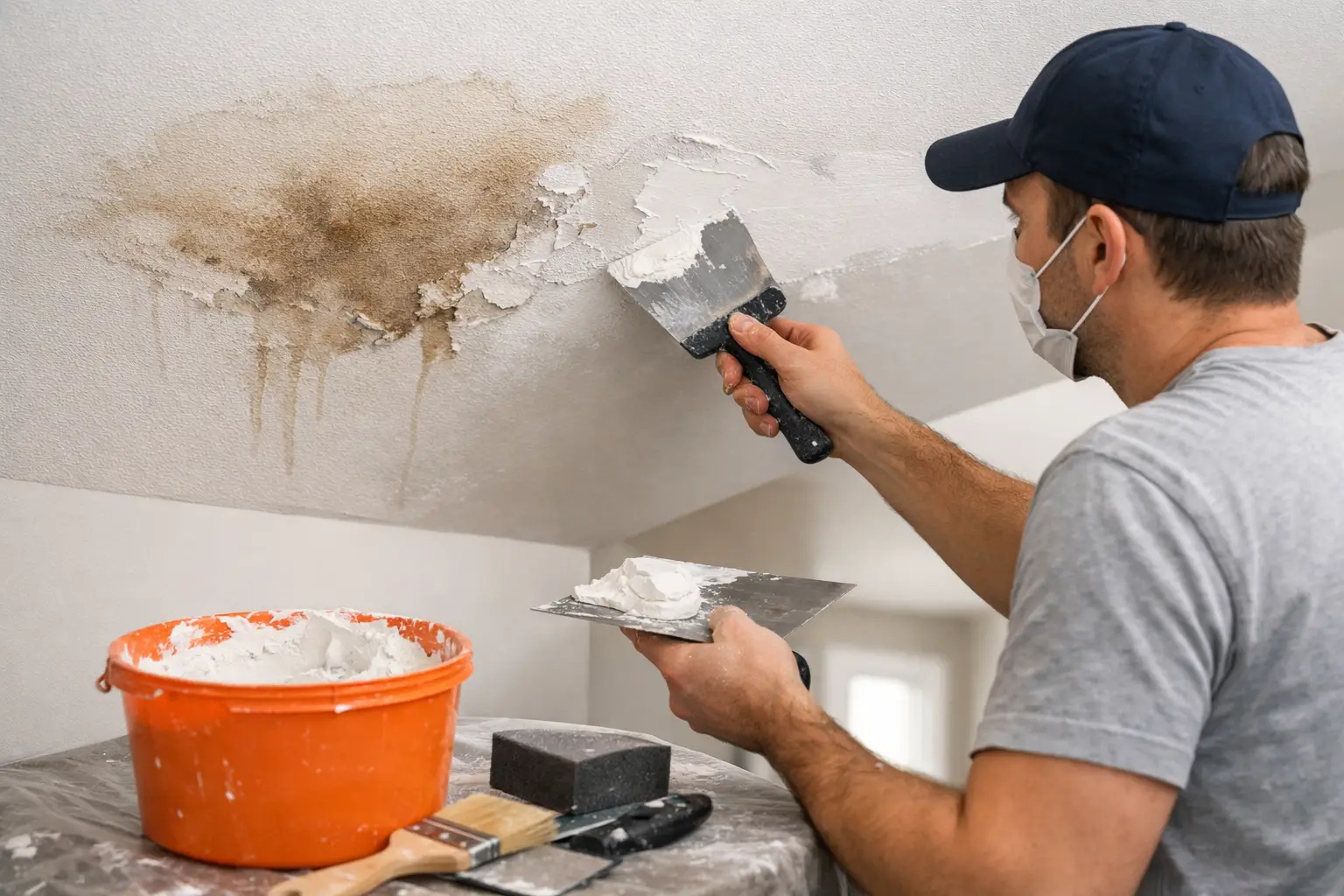
Water-damaged plasterboard should not simply be patched over. The source of moisture must be resolved first, whether it is a roof leak, plumbing fault, failed waterproofing or condensation issue. Once the area is dry and stable, damaged lining can be removed, replaced and blended into the adjoining wall. The goal is an invisible repair, but it only lasts when the cause has been dealt with.
Cracks also need diagnosis before repair. A fine joint crack can be a straightforward re-tape and set. Repeated cracks around doors, windows or ceiling junctions may point to movement, inadequate support or a structural issue that needs further investigation. Honest advice at this point protects both the homeowner and the finish.
Heritage homes and older properties bring another consideration: decorative cornices and non-standard wall lines. Repairing or extending these details takes more than fitting a modern replacement. Profile matching, careful joins and proportion are what keep the new work from looking added on.
What a clear wall lining quote should cover
A fixed-price quote should describe the work clearly enough that you know what is being allowed for. This avoids the common frustration of receiving a low initial figure, then being presented with extras once the job is underway.
For wall lining, ask whether the price includes removal of damaged materials, framing repairs, insulation, plasterboard supply, corner beads, jointing, sanding, cornice work and rubbish removal. It should also be clear whether painting is included or whether the surfaces will be left paint-ready for your painter.
You should also understand how unforeseen conditions will be handled. Hidden moisture damage or unsafe framing cannot always be confirmed until parts of a wall are opened. A dependable tradesperson explains likely risks during quoting and discusses any necessary variation before proceeding, rather than treating it as a surprise at the end.
Why owner-led workmanship makes a difference
Wall and ceiling work sits at the intersection of carpentry, plastering and finish detail. When the person measuring the room is also responsible for the final surface, there is less room for information being lost between a sales person, supervisor and subcontracted crew.
At Yong's Carpentry, the hands that quote your job are the hands that finish it. That boutique approach means direct communication from planning through to completion, with attention paid to protecting lived-in homes, keeping the work area tidy and leaving surfaces ready for the next trade.
The cheapest quote can be appropriate for a simple, low-visibility wall in a rental property. For living areas, renovation focal points, repairs beside existing finishes or walls that will receive critical light, workmanship is usually the better place to put your budget. A straight wall is not just measured with a level - it is judged by how quietly it disappears once the room is complete.
Before committing to interior wall lining, arrange an on-site inspection and walk through the room at the time of day when light is strongest. It gives you and your tradesperson the best chance to agree on the finish, the practical constraints and the details worth getting right.