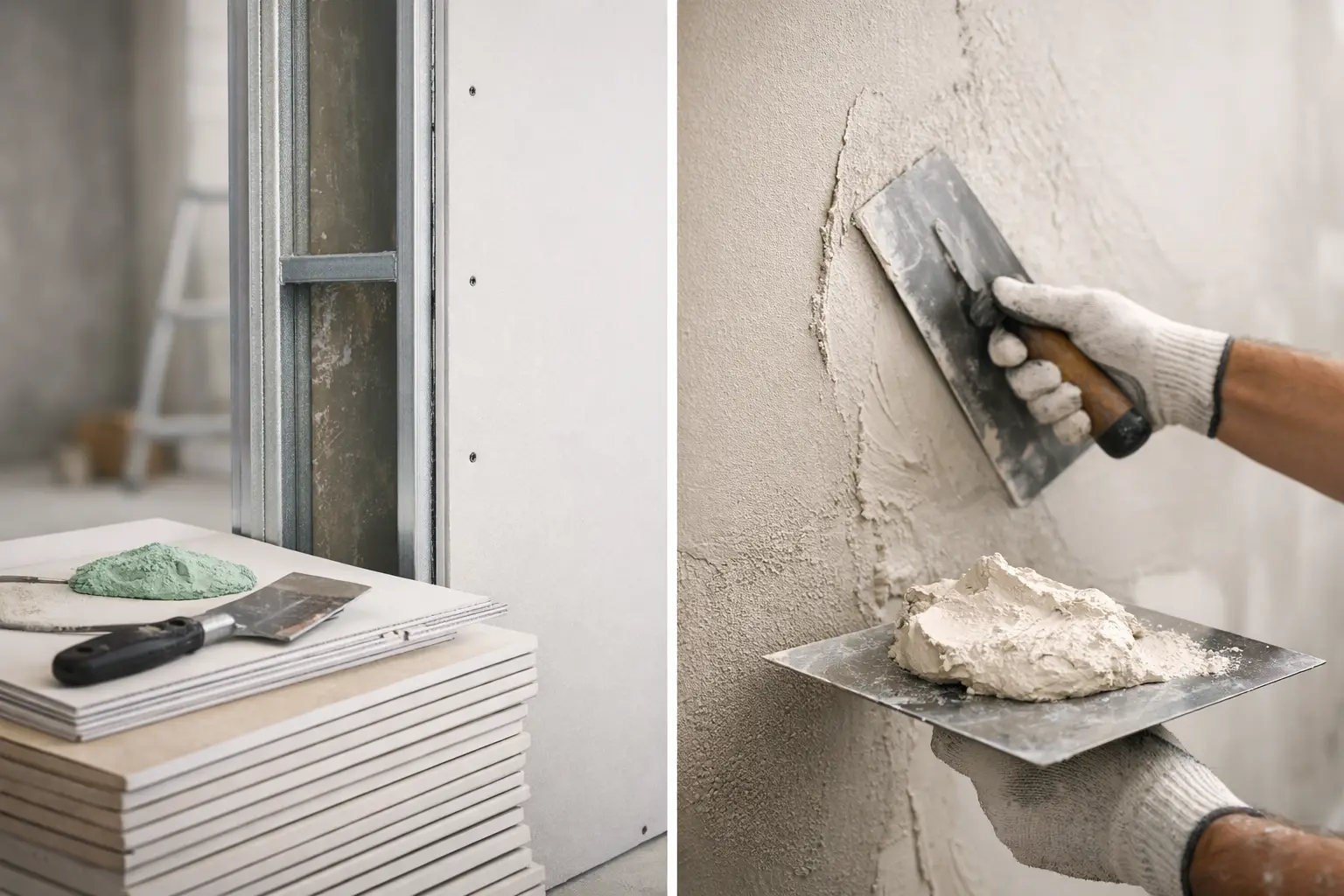
Plaster Ceiling Repair: What Homeowners Should Know
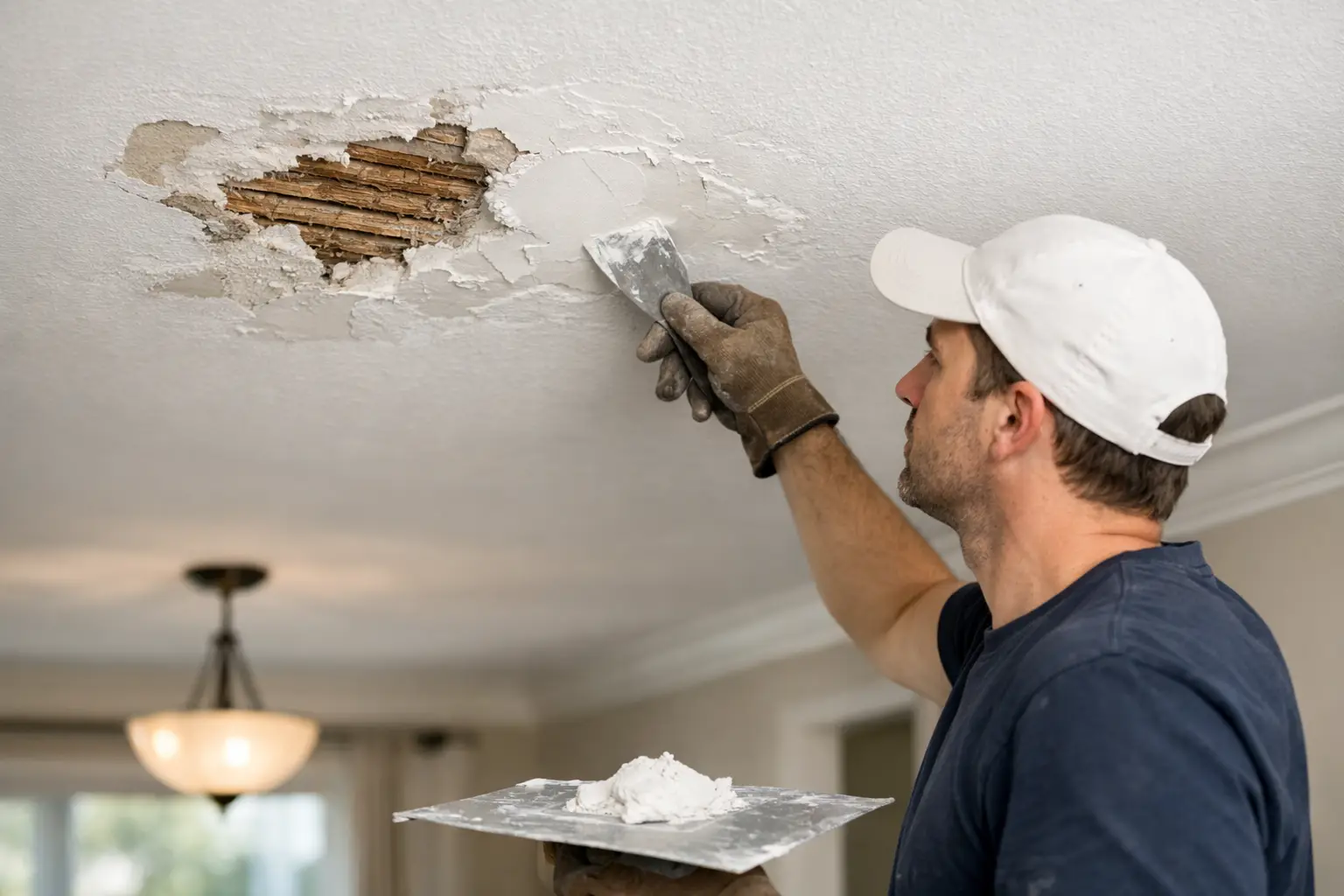
A ceiling rarely fails all at once. More often, it starts with a hairline crack above the hallway, a stain that keeps growing after winter rain, or a slight sag you only notice when afternoon light hits it side on. That is usually the point where plaster ceiling repair becomes less about appearance and more about preventing a bigger, messier problem.
For homeowners, the challenge is not just fixing the damage. It is knowing whether the ceiling needs a simple patch, a more involved repair, or a partial replacement to get a result that will actually last. A neat coat of paint can hide a lot for a few weeks. It cannot fix loose plaster, moisture damage or movement in the structure above.
When plaster ceiling repair is straightforward
Some ceiling issues are localised and stable. A small crack near a cornice, minor settlement cracking in an older home, or a single damaged section from an old light fitting can often be repaired without major disruption. If the surrounding plaster is still sound, the repair can be cut back, secured, patched and sanded to a paint-ready finish.
The key word is stable. A crack that has not changed over time is very different from one that keeps reopening. Likewise, a water stain from a leak that was fixed months ago is different from a soft, swollen section that still holds moisture. Good repair work starts with identifying whether the cause has stopped. If it has not, the surface repair will fail with it.
This is where experience matters. Invisible repairs are not only about filling and sanding. They depend on clean cut-outs, proper backing where needed, matching the existing profile, and finishing the area so it blends with the rest of the ceiling once painted. In older homes, that can also mean dealing with decorative details or uneven original surfaces that need a more careful hand.
Signs your ceiling needs more than a patch
Not every damaged ceiling should be patched. In some cases, patching is the cheaper option upfront but the more expensive one over time.
Sagging is one of the clearest warning signs. If a ceiling line looks bowed, if sheets have dropped at the joints, or if there is visible movement around fixings, the issue may be structural within the ceiling lining itself. Water damage is another major factor. Plasterboard and older plaster systems can lose integrity once soaked, even if they dry out later.
You should also be cautious if you notice repeated cracking in the same area, bubbling paint, mould growth, or sections that sound hollow or soft when gently checked. These are signs the problem may run deeper than the finished surface. A repair that lasts needs the damaged material removed and the substrate assessed properly.
For many Perth homes, ceilings also show the effects of seasonal movement, roof leaks, old repairs and previous renovation work done to mixed standards. A room can have three different issues at once. That is why a clear onsite assessment matters more than a guess based on one photo.
What causes plaster ceiling damage in the first place
Water is the most common culprit. Roof leaks, failed flashing, overflowing gutters, upstairs plumbing issues and even long-term condensation can all show up on the ceiling first. By the time the stain appears, the plaster may already be weakened.
Movement is another common cause. Homes shift over time, particularly around extensions, older framing or areas where previous work has altered load paths. This often appears as cracking at joints, around cornices or near openings.
Poor earlier workmanship also shows up eventually. Inadequate fixing, rushed jointing, patch repairs done over loose material, or paint applied before the substrate was ready can all shorten the life of a ceiling finish. Sometimes the visible damage is new. Sometimes it is an old shortcut finally letting go.
Age plays its part as well. Older lath and plaster ceilings, or ageing plasterboard installations, can become brittle, detached or uneven. Repair is often possible, but the approach needs to suit the construction type. Heritage-style work especially calls for care. Matching profile and finish is just as important as restoring strength.
How a proper plaster ceiling repair should be approached
A reliable repair follows a sequence. First, the cause of the damage needs to be identified. If there is moisture, it should be resolved before any finishing work starts. If the area is loose, cracked through, or sagging, the unsound material needs to come out rather than be covered over.
Next comes reinstatement. That may involve securing surrounding sections, installing new plasterboard, rebuilding a damaged patch, or re-forming edges where the ceiling meets cornice or walls. The goal is not just to fill a hole. It is to restore a flat, stable plane.
Then comes setting, sanding and preparation for paint. This stage is where the final appearance is won or lost. A repair can be technically strong but still obvious if the surface is not finished properly. Homeowners usually notice this once the painter rolls on flat white and every ridge, dip or flashing edge shows up in the light.
Tidy work practices matter too. Ceiling repair is overhead work. Dust control, floor protection and careful clean-up make a real difference in lived-in homes, especially where families are trying to keep daily life moving around the job.
Repair or replace: which gives better value?
It depends on the extent of the damage, the age of the ceiling, and what you want the room to look like when finished.
If the problem is isolated and the rest of the ceiling is sound, repair is usually the better value option. It is less invasive, faster to complete and more cost-effective. This is often the case with localised cracks, old vent penetrations, small water-damaged sections and minor movement damage.
If the ceiling has widespread sagging, multiple failed joints, extensive water damage or a patchwork of old repairs, replacement may be the smarter long-term choice. It can provide a cleaner finish and remove the uncertainty of hidden weak spots. For renovators, replacement also creates an opportunity to update lighting layouts, add bulkheads or improve the overall ceiling line in one go.
A good tradesperson should be honest about that trade-off. There is no value in selling a full replacement where a neat local repair will do. There is also no value in offering a cheap patch when the ceiling is already telling you it is near the end of its serviceable life.
Choosing the right person for plaster ceiling repair
Ceilings are unforgiving. Minor imperfections that go unnoticed on a wall can stand out immediately overhead, particularly in natural light. That is why ceiling repair is a specialist job, not a general handyman task.
Look for someone who can explain what caused the issue, what will be removed, how the repair will be blended, and whether the result will be ready for paint or need further trades. Fixed pricing helps. So does dealing directly with the person doing the work, rather than a salesperson quoting one scope and a different crew turning up to improvise on the day.
For homeowners who care about finish quality, the details matter. Will the home be protected properly? Will the cornice profile be matched if needed? Will the patch be feathered wide enough to disappear once painted? Will the work come with a written workmanship guarantee? Those are the questions that separate a quick fix from a professional repair.
That owner-led approach is often where boutique operators stand apart. When the hands that quote the job are the hands that finish it, there is usually better accountability, clearer communication and fewer surprises.
A final word before you paint over that crack
If a ceiling mark, sag or crack has appeared recently, it is worth treating it as a building issue first and a cosmetic issue second. The earlier the cause is identified, the more likely a repair stays localised, tidy and cost-effective. Leave it too long, and what might have been a clean patch can turn into a larger restoration job. A good ceiling should disappear into the room. If you are noticing it every day, it is probably time to get it looked at properly.