Plaster Wall Lifespan: Repair or Replace?
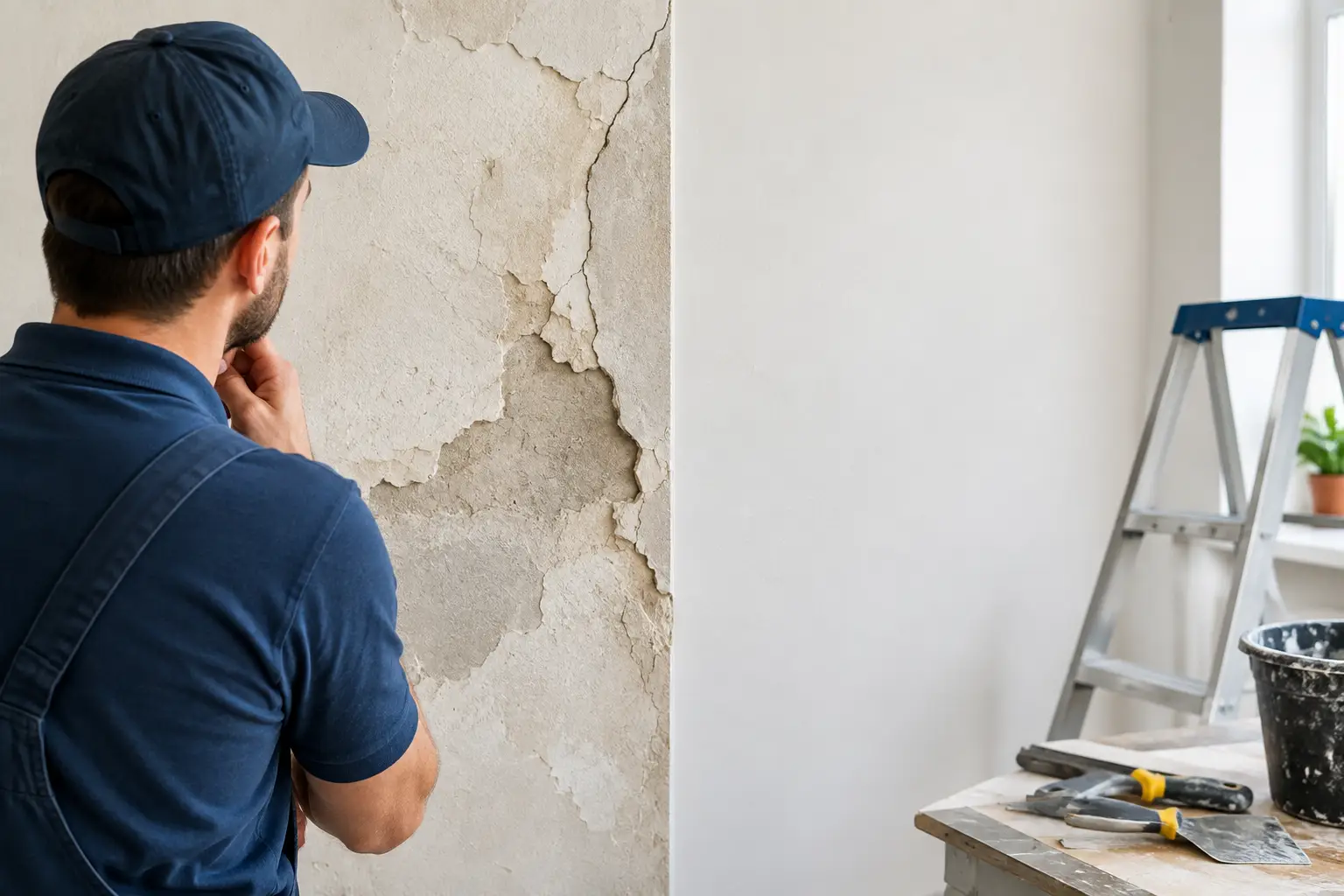
A fine crack near a doorway may have sat quietly for years. A brown patch on the ceiling beneath it can signal a problem that needs attention this week. That difference is central to plaster wall lifespan: the surface itself can last decades, but its real lifespan depends on moisture, movement, installation quality and how quickly damage is dealt with.
For Perth homeowners, it is easy to assume every crack means the wall is failing, or that a damaged section requires a full replacement. Often, neither is true. A careful inspection can separate normal settling from active structural movement, and a well-prepared repair can leave a wall smooth, stable and ready for paint.
How long should plaster walls last?
Traditional solid plaster walls in older homes can last 50 years or much longer when they remain dry and securely bonded to their backing. Plasterboard wall linings, which are common in newer homes and renovations, also have a long service life. It is reasonable to expect several decades from a properly installed plasterboard wall in a dry, stable room.
The board or plaster does not usually wear out simply because of age. More often, it is affected by what happens around it: building movement, a roof or plumbing leak, poor ventilation, impact damage, failed joints or previous repairs that were rushed.
This is why age alone is not a useful replacement test. An older wall with a sound surface and a few hairline cracks may only need minor preparation before painting. A newer wall that has been repeatedly wet or has loose, damaged lining may need sections removed and rebuilt properly.
What shortens plaster wall lifespan?
Water is the biggest threat to both plaster and plasterboard. A slow leak from a roof, shower, pipe or air-conditioning drain can soften the lining, stain the surface and create ideal conditions for mould. Painting over the stain may improve the appearance briefly, but it does not fix damp material or the source of the leak.
Movement is another common cause. Houses settle, timber framing responds to seasonal changes and doors can be slammed hard enough to stress a weak joint. In Perth, long dry periods, heat and reactive ground conditions can all contribute to minor movement. Small, stable cracks are common. Cracks that widen, reappear soon after repair or run diagonally from doors and windows deserve a closer look.
Workmanship makes a difference too. Joints need the right tape, compound, drying time and sanding process. Cornices, bulkheads and ceiling-to-wall junctions need to allow for the way the building moves. When these details are skipped, cracks and visible joint lines can show up early, particularly in rooms with lots of natural light.
Finally, walls are exposed to daily life. Furniture knocks, door handles, children playing indoors and picture hooks all leave their mark. Surface dents are usually straightforward. Deep holes, crushed plasterboard edges or damaged corners may need a more substantial patch so the repair does not read through after painting.
Plaster wall lifespan: repairable damage versus replacement
The key question is not, “Can this be patched?” Almost anything can be patched. The better question is whether the surrounding material is dry, firm and stable enough for a repair to last.
A repair is normally the sensible option when cracks are fine and not growing, damage is localised, the wall feels solid, and there is no ongoing moisture issue. Skilled patching involves more than filling the visible line. The damaged area is opened and prepared, loose material is removed, joints are reinforced where required, and the surface is built up in thin coats before sanding. The aim is an invisible, paint-ready finish rather than a quick cover-up.
Replacement is usually the safer choice when plasterboard is soft, swollen, crumbly or mould-affected; when water has travelled through a large area; or when multiple repairs have failed because the backing or framing is moving. Replacing only the affected section can often be enough. There is no benefit in stripping an entire room if the damage is contained and the surrounding lining remains sound.
With traditional plaster, hollow-sounding areas may indicate that plaster has separated from its backing. Small isolated sections can sometimes be stabilised and repaired. Broad areas that have lost their bond may require removal and replacement. In heritage homes, the profile of existing cornices and decorative details should be assessed before work begins, so new work matches the original character instead of looking like an obvious modern addition.
Signs you should not ignore
Cosmetic flaws can wait until your next painting project. The following signs call for a prompt inspection, particularly after heavy rain or a plumbing issue:
- Brown, yellow or spreading water stains on walls or ceilings
- Bubbling paint, peeling finishes or a damp smell
- Soft, swollen or sagging plasterboard
- Mould growth, especially around bathrooms, laundries and external walls
- Cracks that widen, spread across several surfaces or return after repair
- A ceiling section that appears to drop, bow or pull away at a joint
The first priority is always to stop the cause. That may mean arranging roof repairs, leak detection, plumbing work or improved bathroom ventilation before the plastering work starts. Repairing the lining first only risks wasting time and money.
Why a good repair can outlast a cheap patch
A wall repair is judged in normal daylight, at night under downlights and after the next coat of paint. That is where poor preparation shows. A patch may look acceptable when wet compound is first sanded, then reveal a shallow dip, raised edge or flashing once paint catches the light.
Lasting work starts with containment and protection. Floors, nearby furniture and adjoining finishes should be covered before damaged lining is cut out or sanded. The area then needs to be rebuilt with suitable materials, reinforced where necessary and feathered well beyond the repair line. A quality finish takes patience because each coat needs proper drying before the next is applied.
Paint preparation matters just as much. A smooth wall can still show a repair if the surface is not sealed correctly or if a water stain has not been treated. Where staining has occurred, the underlying problem must be resolved, the area dried fully and the surface prepared for the chosen paint system.
For homeowners, the benefit is practical: less disruption now, less chance of seeing the same fault return, and a finish that does not force an early repaint of the whole room.
Looking after walls and ceilings between repairs
You cannot prevent every hairline crack, but a few habits help protect the finish. Keep bathrooms and laundries ventilated, act quickly on roof or plumbing leaks, and avoid letting condensation build up in closed rooms. Check ceilings after severe weather, especially around roof penetrations, skylights and air-conditioning units.
When repainting, do not simply fill and paint over recurring cracks. Note where they are and whether they have changed. Photos taken several months apart are useful when deciding whether the movement is stable or active. If a crack is accompanied by sticking doors, gaps opening around frames or visible external movement, seek advice on the building issue as well as the plaster repair.
For a minor picture-hook hole or small dent, a homeowner-grade filler may be perfectly adequate. For water damage, broad cracking, sagging ceilings, visible plasterboard joints or heritage cornices, professional assessment is the more reliable path. The hands that inspect the issue should understand how the repair will be carried through to the final sand and paint-ready surface.
Yong's Carpentry takes that boutique approach seriously: the tradesperson quoting the work personally handles the repair, so decisions about preparation, matching and finish do not get lost between crews.
A plaster wall does not need to look new to have years of life left. It needs to be dry, stable and repaired with enough care that the finish belongs to the room, not to the patch.