What Is a Paint Ready Plaster Finish?

Fresh paint does not hide poor plastering. In most homes, it does the opposite - it throws every ridge, hollow, patch edge and sanding mark into plain view. That is why a paint ready plaster finish matters. It is not just a wall that looks smooth when the tools are packed away. It is a surface prepared to accept primer and paint without nasty surprises once natural light hits it.
For homeowners, renovators and landlords, this is often where jobs go off track. A room can look fine at first glance, but once the painter starts or the afternoon sun runs across the ceiling, defects become obvious. Fixing them later usually costs more, creates more mess and delays the whole job. Getting the plaster finish right from the start is the cleaner, smarter option.
What a paint ready plaster finish actually means
A paint ready plaster finish is a level of plaster preparation where the surface is properly set, jointed, repaired, sanded and checked so it is ready for primer and paint. It does not mean every wall will look like polished glass under every type of lighting. It means the finish is completed to a standard suitable for painting, with attention paid to flatness, smoothness, joint visibility and patch blending.
That distinction matters. In trade terms, paint ready does not mean overworked or excessively skimmed for no reason. It means the plasterer has done the right preparation for the wall, ceiling or repair at hand. New plasterboard sheeting, a repaired water-damaged ceiling and an old wall with movement cracks may all need slightly different treatment to reach the same practical outcome.
Why plaster quality shows up after painting
Plastering is one of those trades where the final result is judged after someone else finishes over it. Once paint goes on, even minor inconsistencies become easier to see. Low-angle light from windows, LED downlights and darker paint colours are especially unforgiving.
Ceilings are a common trouble spot. A joint that looked acceptable before painting can suddenly stand out as a band across the room. The same goes for patch repairs. If the edges are not feathered correctly or the repair sits slightly proud, the painted finish will reveal it.
This is why careful preparation matters more than speed. Good plastering is not just applying compound and sanding it back. It is knowing how the finished room will behave under light, where defects are likely to show and when a surface needs more refinement rather than a quick pass to get it out the door.
What goes into a proper paint ready plaster finish
The process starts well before the final sand. The substrate needs to be sound, secure and suitable for plastering. Loose sheeting, damaged framing, movement, moisture issues or failing old material all affect the end result. If those problems are ignored, no amount of topping compound will create a durable finish.
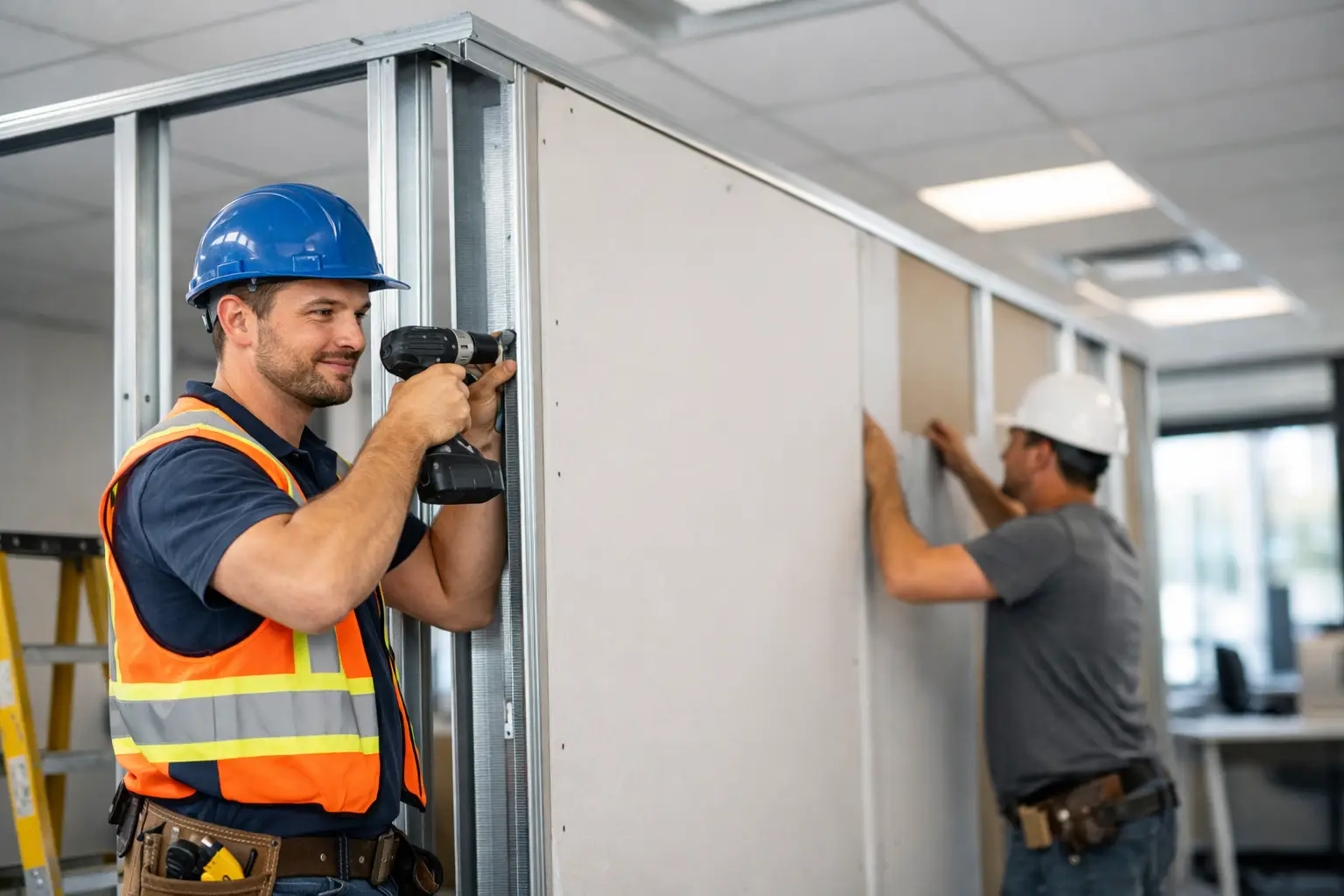
On new plasterboard work, joints are taped and built up in controlled coats so they sit flush and blend naturally with the board face. Internal angles, external corners and fastener points are finished carefully so they do not flash through after painting. On repairs, the challenge is often harder. The new work has to disappear into the old surface rather than looking like a visible patch.
Sanding is only one part of the job. Too little sanding leaves ridges and tool marks. Too much sanding can scuff the paper face, hollow out joints or leave uneven textures that also show under paint. A dependable finish comes from balanced application, drying time between coats and a final check by eye and by feel.
Paint ready does not mean every surface is identical
This is where honest trades advice matters. Some surfaces can be brought up beautifully with standard preparation. Others need extra work because of age, previous repairs or poor original construction. Older homes, especially those with years of repainting, movement or patched cracking, often need more attention than owners expect.
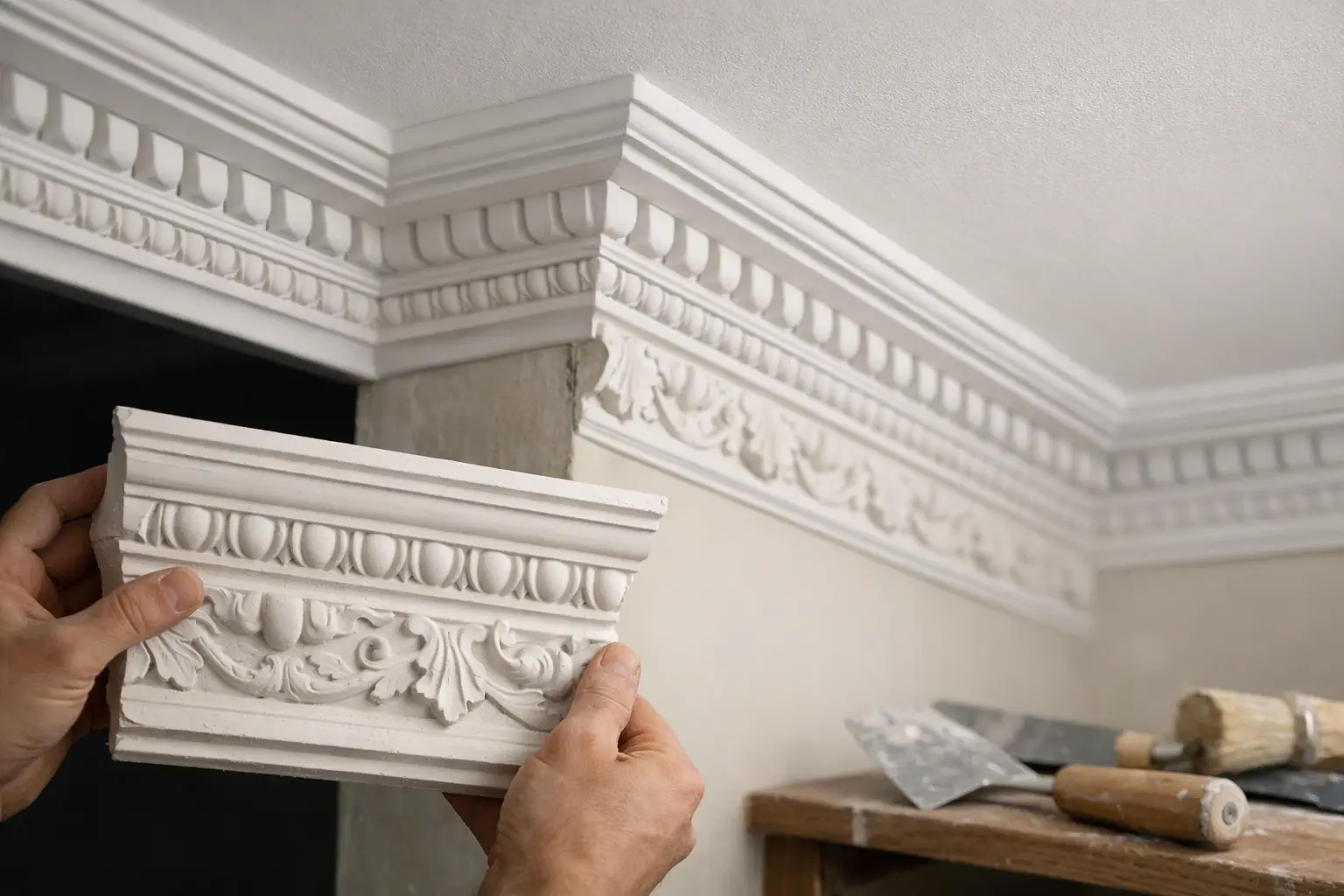
A straightforward new ceiling installation is different from blending repairs into an existing ornate room. Heritage work, old cornice lines and long-settled walls can require a more careful approach if you want the finished result to look natural. The right outcome depends on the condition of the existing surface, not just the size of the area.
That is also why fixed pricing and a proper on-site look matter. An accurate quote should account for preparation, access, repair complexity and finishing standard, rather than assuming every patch or ceiling behaves the same way.
Common reasons a wall is not truly paint ready
The most common issue is visible jointing. This happens when plasterboard joints are underfilled, overfilled or not feathered wide enough. Another regular problem is poor patch blending, where a repair has obvious edges or different texture from the surrounding wall.
Moisture damage is another major one. If a stained or sagging ceiling is repaired without dealing with the underlying leak, the finish may fail again. Cracking can also return if movement causes are left untreated. In these cases, paint ready is not just about appearance. It is about making sure the surface is stable enough to stay that way.
Then there is lighting. Strong LED lighting and large windows can make a decent average finish look poor. In feature areas, hallways and open-plan living spaces, it often makes sense to allow for a higher level of refinement because those surfaces are more exposed.
How to judge whether plaster is ready for paint
Homeowners do not need to inspect a wall like a tradesperson, but a few simple checks help. Stand back and look across the surface in natural daylight if possible. Then view it from the side, not just straight on. Side light reveals bumps, lines and shallow hollows quickly.
Run your hand lightly over repaired sections and joints. You should not feel obvious lips, gritty edges or rough sanding scratches. Corners should look clean and straight. Ceilings should read as even planes rather than a series of strips where the joints run.
It is also fair to ask what preparation has been done and whether the surface is ready for the painter to prime. Clear communication matters here. A reliable plasterer should be able to explain what was repaired, how it was finished and whether any limitations remain because of the existing structure.
The trade-off between speed and finish quality
Some jobs are priced and scheduled around getting a room closed up quickly. Others are done with more time allowed for refinement. There is no point pretending those two approaches produce the same result.
If you want a neat rental refresh in a low-traffic room, the finish expectations may be different from a main living area in a family home with strong daylight and fresh premium paint going on. Neither situation is wrong. The key is matching the finish standard to the room, the lighting and the owner’s expectations.
Problems usually start when people are promised a high-end result on a rushed budget. That is where disappointment comes from. Straight advice early on is far better than vague promises and patching later.
Why owner-led plastering makes a difference
A paint ready finish depends heavily on judgement. It is not only about following steps. It is about knowing when a ceiling needs another pass, when a patch edge will still show, or when an old crack needs more than filler.
That is one reason many homeowners prefer a boutique approach. When the person quoting the work is the same person doing the plastering, there is less room for misunderstanding. The scope is clearer, the standard is accountable and the finishing decisions are made by someone with skin in the game.
For detailed wall and ceiling work, that consistency matters. It often means tidier preparation, better communication and fewer shortcuts hidden under the promise that paint will cover it.
Before the painter arrives
Even with a proper paint ready plaster finish, the final appearance still depends on good painting practice. Dust should be removed properly. Suitable primer should be used. Strong colours, sheen levels and difficult lighting conditions may need extra care.
But the painter should be starting from a sound, smooth and sensibly prepared surface - not doing remedial plastering with a roller in hand. That is the difference between a job that flows well and one that turns into rework.
If you are planning repairs, a renovation or a new ceiling fit-out, it is worth asking one simple question at quoting stage: will this be truly ready for paint, or just ready to be someone else’s problem? A careful answer tells you a lot about the tradesperson standing in your home.
The best plaster finish is the one you stop noticing the moment the paint dries.