Gypsum Plaster Versus Plasterboard for Your Home
A wall can look perfectly flat after painting, yet the material and method behind that finish can affect how it handles movement, repairs, sound and future renovations. When weighing up gypsum plaster versus plasterboard, the right choice is rarely about which material is universally better. It is about the room, the existing structure, the finish you expect and how the work needs to tie into the rest of the home.
For most modern Perth homes, plasterboard is the practical starting point for new internal walls and ceilings. Gypsum plaster still has an important place, particularly for solid-plaster repairs, masonry surfaces, heritage details and selected high-end finishes. Knowing the difference helps you ask the right questions before work begins.
Gypsum plaster versus plasterboard: the key difference
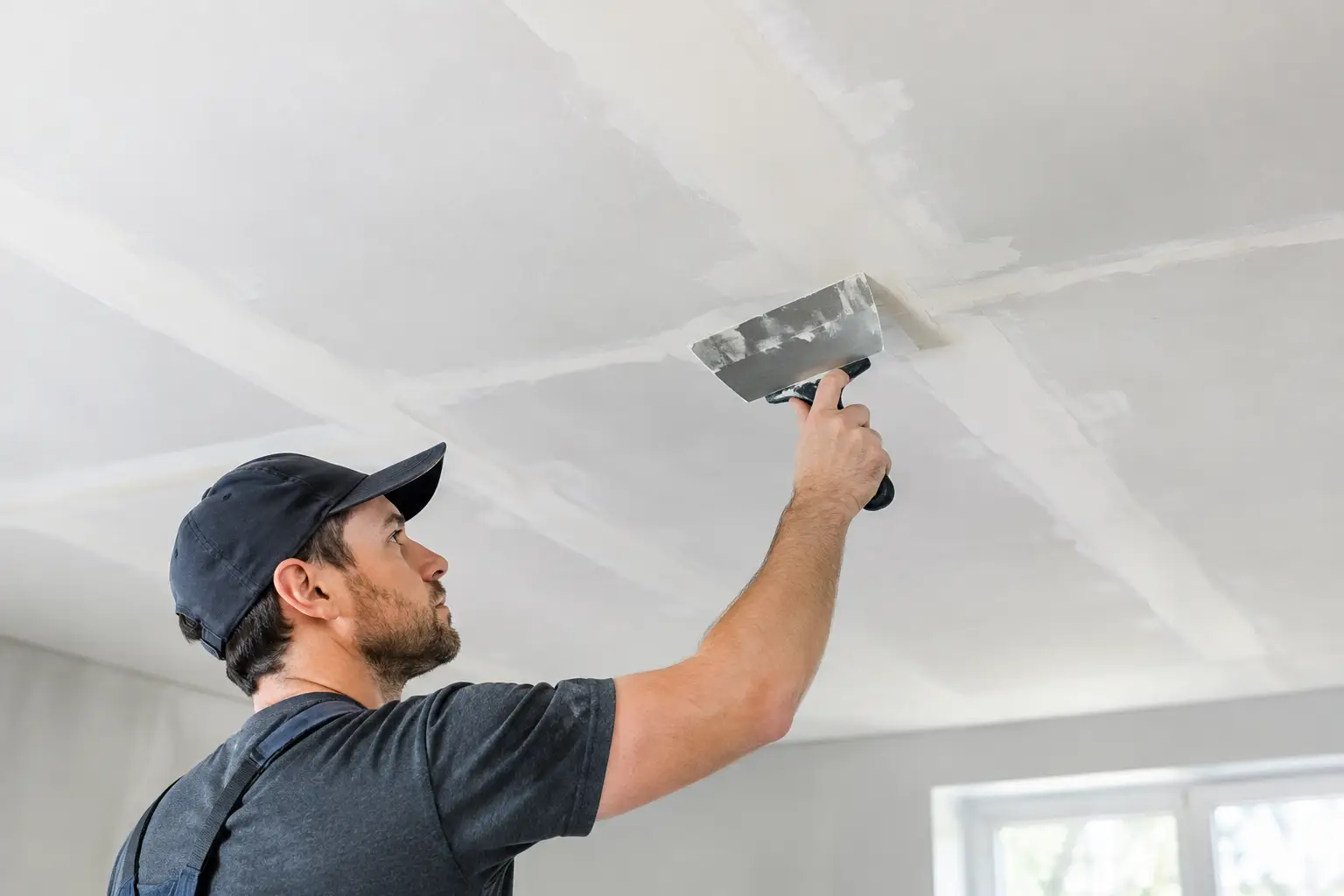
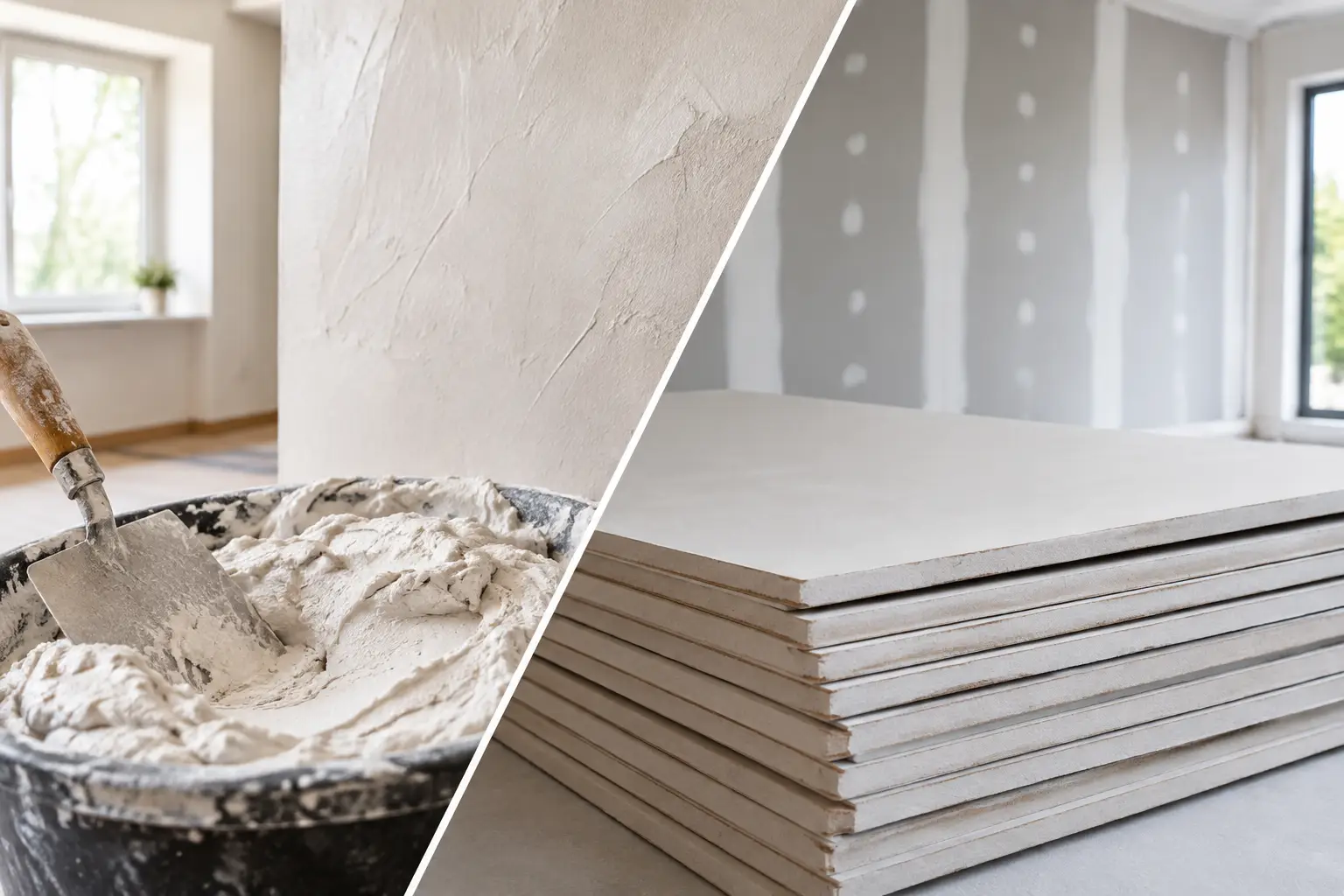
Plasterboard is a factory-made sheet with a gypsum core and paper facing. It is fixed to timber or steel framing, then the joints, internal corners and screw heads are set with jointing compounds. Once sanded and painted, it creates the smooth wall and ceiling surfaces found in most newer homes.
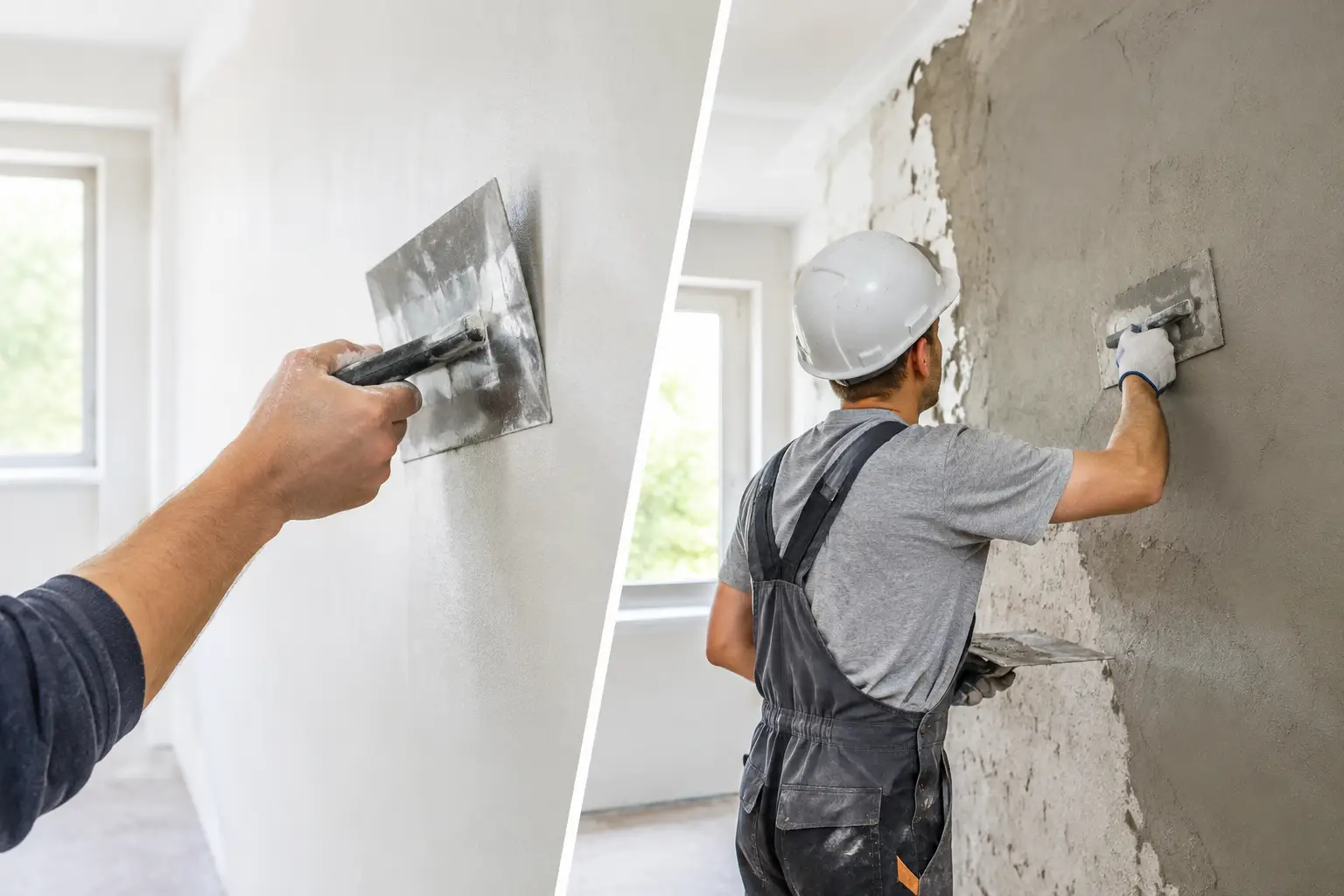
Gypsum plaster is a plaster-based material applied wet in layers to a prepared background. Depending on the system, that background may be brickwork, blockwork, a plaster base coat or an existing solid-plastered wall. It hardens into a continuous surface rather than being installed as individual sheets.
That distinction matters. Plasterboard is a lining system that creates a new surface over framing. Gypsum plaster is a coating that follows and finishes the surface beneath it. Both can produce a clean, paint-ready result, but their installation, repair approach and limitations are different.
Where plasterboard is usually the smarter choice
For a new partition wall, ceiling replacement, bulkhead or recessed LED cove, plasterboard is generally the efficient and dependable option. It allows a tradesperson to form straight lines, conceal services and build out the room to the required dimensions. It is also well suited to creating modern ceiling details, such as dropped sections, shadow lines and simple feature bulkheads.
A correctly installed plasterboard system can provide an excellent finish, but the quality is in the framing, fixing, joint setting and sanding. Poorly supported sheets, rushed joints or uneven framing can show up later as visible joins, nail pops or cracking around corners. A smooth white ceiling under afternoon light is particularly unforgiving.
Plasterboard also gives flexibility when a homeowner wants to alter a room later. Running new electrical cabling, adding insulation, changing a doorway or creating a niche is usually more straightforward where there is a framed cavity behind the lining. For renovation work, that access can save time and reduce disruption.
There are different board types for different applications. Standard plasterboard is common in dry living areas and bedrooms. Moisture-resistant board may be specified in suitable parts of bathrooms, laundries and kitchens, while fire-rated or acoustic boards can be used where the construction calls for them. The board alone does not guarantee performance, though. The framing, insulation, sealants and whole wall or ceiling system need to be right.
When gypsum plaster makes sense
Gypsum plaster comes into its own when repairing or matching solid plaster. Older homes may have plaster applied directly over masonry, or decorative features that cannot be reproduced convincingly with a flat sheet lining. In those situations, removing the original finish and covering it with plasterboard can change wall thicknesses, bury architectural detail or create awkward transitions around windows, doors and cornices.
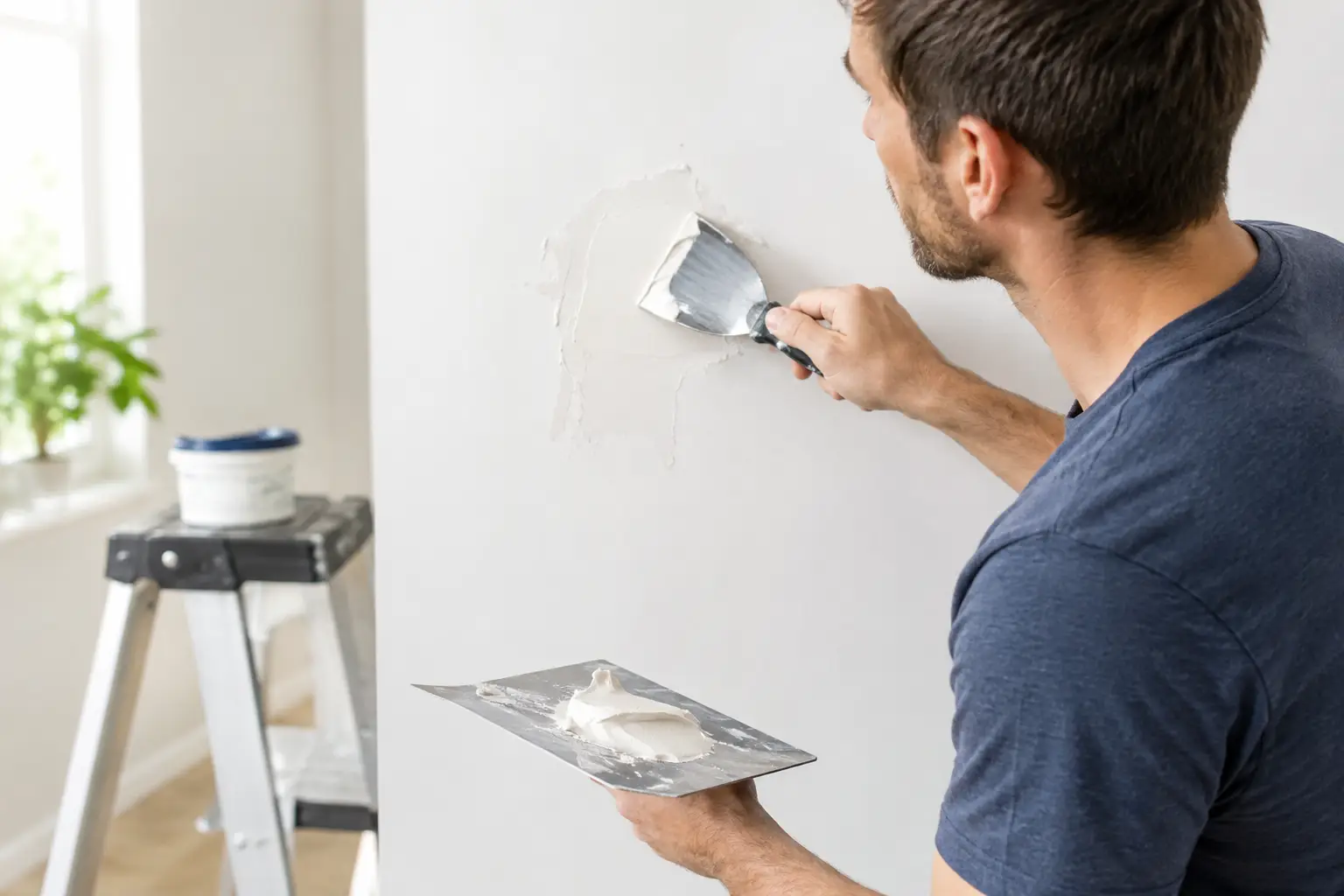
A skilled plaster repair can retain the character of the original construction. This is especially relevant where a wall has suffered local water damage, impact damage or cracking but remains broadly sound. The damaged material is cut back, the background is assessed and prepared, then new plaster is built up and feathered into the existing surface. The aim is not simply to fill a hole. It is to make the repaired area disappear after painting.
Gypsum plaster can also suit masonry where a solid, continuous finish is wanted. It does require proper preparation and a suitable substrate. A wall with ongoing damp, salts, loose paint or movement is not cured by applying a fresh skim coat over the top. The underlying issue must be addressed first, otherwise the new finish may crack, stain or lose adhesion.
Finish quality is about the system, not the material alone
Homeowners sometimes assume wet plaster automatically looks better than plasterboard, or that plasterboard always means visible joins. Neither is true. A carefully set plasterboard wall can look exceptionally smooth, while a poorly prepared plastered wall can show trowel marks, waviness and patched areas once paint goes on.
The final appearance depends on straight framing or sound substrate, correct materials, drying time, careful sanding and proper paint preparation. Natural light also changes what is visible. Long walls, high ceilings and rooms with large windows can reveal imperfections that may not be obvious during installation.
For this reason, it helps to discuss the intended finish before work starts. A standard painted wall and a ceiling designed to sit beneath a sharp LED strip do not carry the same visual demands. Recessed lighting and grazing light can expose every undulation, so the substrate and set-out need more care from the beginning.
Cornices, heritage work and transitions
Cornices are often where repair work becomes noticeable. A modern square-set ceiling, a simple cove cornice and an older decorative profile each need a different approach. If only part of a wall or ceiling is being repaired, the new surface must meet the old one cleanly without creating a ridge that appears after painting.
Where an existing decorative cornice is intact, retaining and repairing it may be preferable to replacing it with the nearest available profile. Profile matching takes patience, especially in older homes where shapes, ceiling heights and previous repairs vary from room to room.
Cost, speed and disruption
Plasterboard is often more cost-effective for larger new areas because sheets cover substantial surface area quickly. It is also a logical choice where new framing is already being built for a wall, ceiling or bulkhead. The work still involves several stages - fixing, setting, drying, sanding and painting preparation - but the process is predictable when planned properly.
Gypsum plaster can be economical for a small local repair, particularly where it avoids pulling down a larger section of original wall. For extensive coverage, however, wet-plaster work can involve more surface preparation, drying time and skilled labour. The actual cost depends on access, the condition of the existing surface, the extent of damage and how carefully surrounding finishes need to be protected.
Disruption is another practical consideration. Re-lining a whole room with plasterboard may involve removing cornices, skirting boards, light fittings and sections of trim. A local solid-plaster repair may keep more of the room intact, but it can create dust and requires time for materials to dry before final painting. There is no one-size-fits-all answer.
Fixed pricing should account for these details upfront. A quote that simply lists a square-metre rate without addressing water damage, substrate preparation, cornice work or paint-ready finishing can leave too much open to interpretation.
Moisture, cracks and recurring damage
Neither ordinary plasterboard nor gypsum plaster should be treated as a solution to an active leak or persistent damp problem. First find the source: a roof leak, failed flashing, plumbing issue, overflowing gutter, shower waterproofing fault or condensation problem. Once the area has dried and the cause is resolved, the damaged lining or plaster can be assessed properly.
If plasterboard has sagged, softened or developed mould after significant water exposure, replacement is often the safer option. A solid-plastered wall may sometimes be repaired once dry, but staining, salts and poor adhesion need to be dealt with rather than hidden beneath paint.
Cracks need the same level-headed assessment. Fine hairline cracking can result from normal seasonal movement and may be repaired as part of painting preparation. Wider, recurring or stepped cracks can point to framing movement, settlement, water damage or another underlying issue. Filling the crack alone may look good briefly but will not necessarily last.
Choosing the right approach for your room
Start with the condition and construction of what is already there. A new ensuite ceiling, a partition for a home office or a feature bulkhead will usually call for plasterboard. A damaged wall in an older brick home, a decorative cornice repair or a local patch where wall thickness must be preserved may call for gypsum plaster work.
It is also worth considering the end result, not just the immediate patch. Will the repair meet a freshly painted wall? Is there strong natural light? Does the room need sound control, fire performance or moisture-resistant lining? Are you planning new lighting or cabinetry that will rely on straight, sound walls?
At Yong's Carpentry, the approach is to inspect the surface in person and explain what will produce the cleanest long-term result. The hands that quote your job are the hands that finish it, so details such as matching cornices, protecting floors and leaving a properly prepared surface are not passed between separate crews.
The best finish begins with an honest assessment of the wall or ceiling behind it. Choose the system that suits the building, fix the cause of any damage first, and give the final surface the care it needs to look right long after the paint dries.