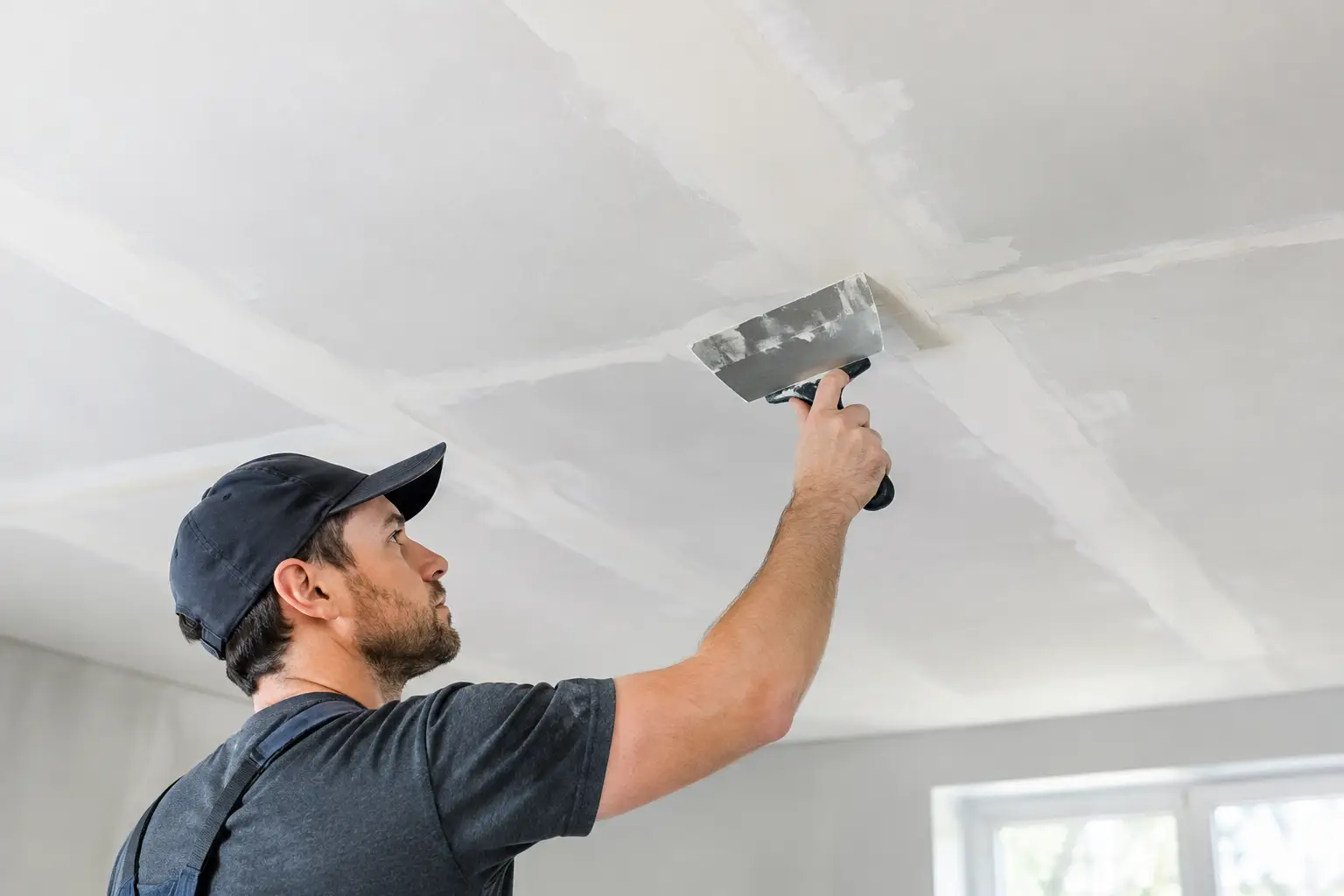
When Should Cornices Be Replaced in Your Home?
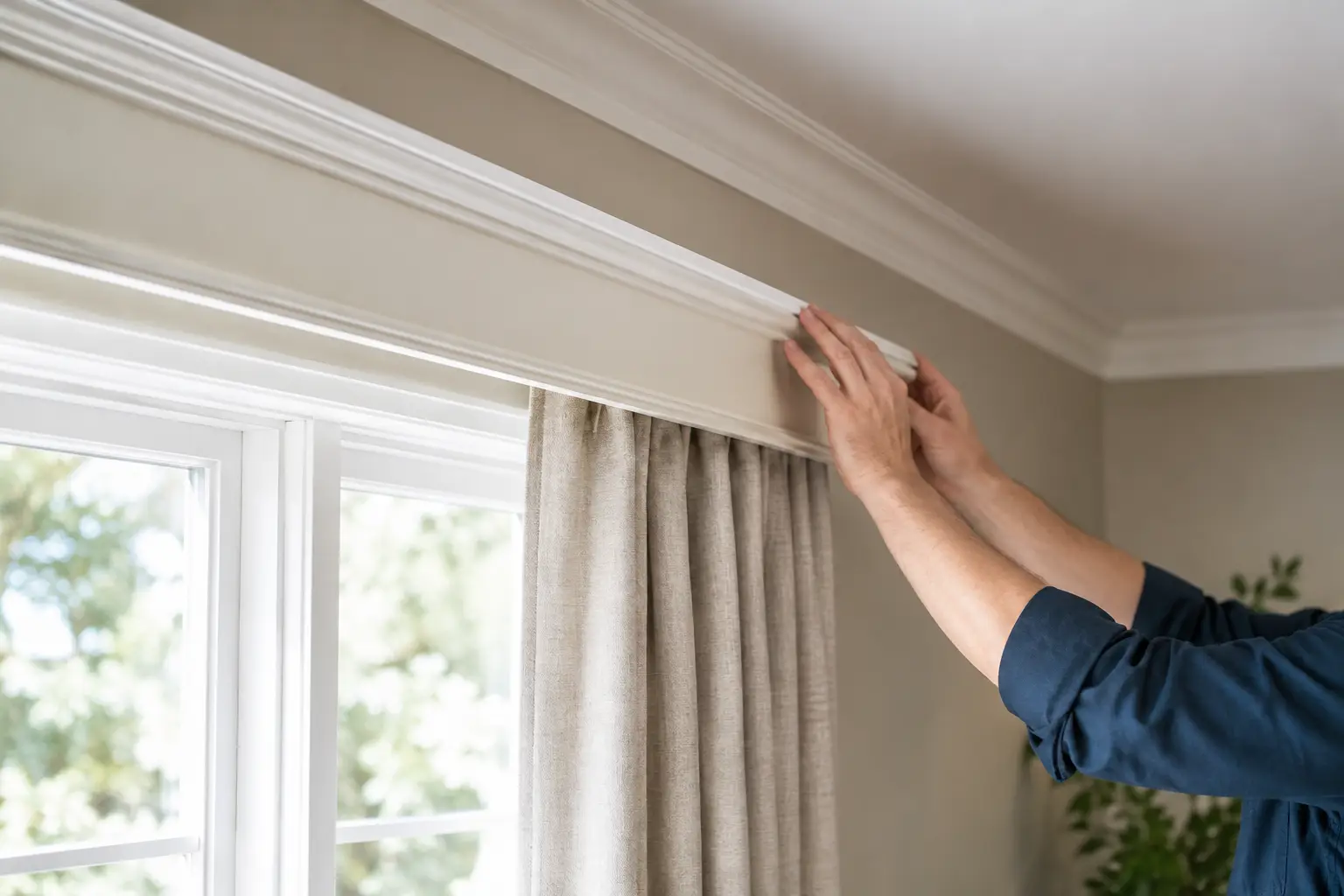
A cornice is easy to overlook until a crack opens along the ceiling line, a section starts sagging, or old water staining appears above a wall. Knowing when should cornices be replaced can save you from paying for a patch that fails again after the room is painted. In many homes, a careful repair is all that is needed. In others, replacement is the cleaner, longer-lasting option.
Cornices do more than soften the junction between a wall and ceiling. They conceal small variations in framing and plasterboard, complete the proportions of a room, and can be a defining decorative detail in older Perth homes. The right decision comes down to the condition of the cornice, the cause of the damage, and whether a repair can be made genuinely invisible.
When should cornices be replaced rather than repaired?
Replacement is usually the sensible choice when the cornice itself has lost its strength, shape or secure bond to the wall and ceiling. A good tradesperson will assess the surrounding surfaces first, because cornice damage is often a symptom of movement, moisture or a previous poor-quality repair.
A small, clean crack at a joint does not automatically mean the full length needs to come down. Cornice joints can crack as a house settles or as materials move slightly with seasonal temperature changes. If the cornice is firm, dry and still properly shaped, the joint can often be prepared, reinforced and finished for painting.
The decision changes when cracking is repeated, widespread or accompanied by movement. If you can see the cornice pulling away, feel it flexing, or notice a growing gap along the ceiling, filling it may only hide a larger problem temporarily. Removing the affected length allows the substrate to be checked, repaired if needed, and prepared correctly before new cornice is installed.
Signs replacement is likely to be the better investment
Water damage is one of the clearest reasons to consider replacement. Plaster cornices can absorb moisture, soften and lose their crisp profile. Even after the leak has been fixed, sections may remain stained, crumbly or distorted. Painting over them can improve the appearance for a short time, but it cannot restore damaged material.
Replacement is also worth considering where the cornice has several old repairs, thick layers of filler, dents, missing chunks or uneven joins. These issues become more noticeable under fresh paint, particularly with modern low-sheen finishes and LED lighting that throws light across the ceiling line. A neat new section often produces a better result than repeatedly building up filler on tired material.
Other warning signs include:
- sagging or sections that have detached from the wall or ceiling
- soft, powdery, swollen or mould-affected plaster after moisture exposure
- deep cracks running through the profile, not just along a joint
- missing sections that cannot be matched cleanly
- a cornice profile that has been damaged beyond a paint-ready repair.
If the issue is isolated, only the damaged section may need replacing. There is rarely a need to remove every cornice in a home unless damage is widespread or you are changing the room’s style as part of a renovation.
Repair or replace: what makes the difference?
The most cost-effective choice is not always the smallest repair. It is the option that leaves a stable, straight and paint-ready finish without creating a visible line six months later.
A repair is often appropriate for fine surface cracking, minor dents, small chips, separated mitres and short areas of impact damage. With careful preparation, the right compounds and patient sanding, these repairs can blend into the existing profile. This is particularly valuable where the existing cornice is decorative, hard to source, or part of a heritage-style room.
Replacement is more appropriate if the substrate has failed. For example, a ceiling affected by a roof leak may need damaged plasterboard removed before any cornice work begins. Installing fresh cornice over damp or unstable linings simply transfers the problem to the new work. The source of moisture should always be fixed first, then the ceiling and cornice can be restored properly.
There is also a practical design consideration. Standard cove cornices are generally straightforward to source and replace. Ornate profiles, deep Victorian-style cornices and older stepped designs require more care. A close profile match may be available, but if it is not, an experienced plastering specialist can assess whether a short replacement can be blended in or whether a longer run will give a more balanced finish.
Look beyond the visible crack
A crack where the cornice meets the ceiling can come from normal movement, but it can also point to ceiling sag, wall movement or inadequate fixing. Before approving replacement, ask what has caused the defect. A clear answer helps you avoid paying twice for the same job.
In Perth homes, roof leaks, evaporative air-conditioning issues and plumbing leaks can all affect ceilings and cornices. Water marks may look minor once dry, yet the plasterboard above can be weakened. Likewise, a long straight crack may be linked to movement at a plasterboard joint rather than the cornice itself.
A proper assessment should consider the condition of the ceiling lining, the wall junction, nearby joins and the cornice adhesive. The goal is not merely to make the crack disappear. It is to create a repair that remains stable through normal household movement and looks right once painted.
Replacing cornices during renovations
Renovation work is often the ideal time to replace cornices, even if the old ones are still serviceable. Removing a wall, installing a bulkhead, changing ceiling heights or adding a recessed LED lighting cove can interrupt existing cornice lines. Trying to patch short pieces around new work sometimes looks pieced together, especially in open-plan spaces.
Replacing or extending cornices during this stage gives the room a considered finish. It also allows the profile to be carried consistently through adjoining areas where appropriate. However, consistency does not always mean installing the same cornice everywhere. A simple modern profile may suit a new extension, while a more decorative profile should be retained in the original part of a character home.
If you are repainting only, replacement may not be necessary. But it is worth addressing any loose sections, persistent cracks or poor repairs before painters begin. Fresh paint tends to highlight defects rather than hide them.
What a quality cornice replacement should include
Cornice replacement is a finishing trade, and the quality is usually obvious in the details. Straight runs need to sit evenly along both wall and ceiling. Internal and external corners must be accurately cut, while joins should be placed and finished so they do not draw the eye.
The area should be protected before work starts, particularly in furnished homes. Damaged material needs to be removed without unnecessarily disturbing sound adjacent plasterboard. The new cornice is then fitted to clean, sound surfaces using suitable adhesive and fixing methods for the material and conditions.
After installation, joins, mitres and edges are finished and sanded to create a smooth transition ready for paint. Good preparation matters more than rushing this final stage. A paint-ready surface is what makes the replacement feel like part of the original room rather than an obvious repair.
At Yong's Carpentry, the hands that quote your job are the hands that finish it. That direct approach is particularly useful for cornice repairs and replacement, where a close inspection and careful profile matching make all the difference to the final result.
A few questions to ask before approving the work
Ask whether the damage is cosmetic or structural, whether any moisture issue has been resolved, and whether the replacement profile will match the existing room. If only one section is being replaced, ask how the new joins will be positioned and finished. These are straightforward questions, but they help set clear expectations before work starts.
You should also confirm whether the quote includes removal of damaged material, surface preparation, cornice installation, finishing and clean-up. Fixed pricing is valuable because it gives you clarity on the complete scope, rather than an attractive starting figure followed by extras for essential preparation.
Do not wait for loose cornices to become a safety issue
A loose or water-damaged cornice is more than a cosmetic concern. Small sections can crack further, detach unexpectedly or allow moisture damage to spread unnoticed. If the problem is near a ceiling that is visibly bowing, heavily stained or soft to touch, arrange an inspection promptly and avoid disturbing the area.
For minor cracking, there is no need to assume the worst. A skilled assessment can often separate a simple repair from work that needs a more thorough solution. The best outcome is a stable ceiling line, clean corners and a finish that looks right after painting - with the cause dealt with properly, not covered up.