Why an Owner Operated Plasterer Matters More
Illustrative image
A wall repair can look straightforward until paint goes on and the patch catches the afternoon light. A new ceiling can seem simple until joins shadow through, cornices fail to line up, or the work area is left dusty and difficult to live around. Choosing an owner operated plasterer changes the experience because the person assessing the work is also responsible for the finish.
For homeowners, that direct responsibility is more than a nice idea. It affects the accuracy of the quote, the quality of preparation, the way concerns are handled on site and the standard of the final surface. When walls and ceilings are a visible part of the home, those details matter.
What an owner operated plasterer does differently
In a larger trade business, the person who measures the job may not be the person who completes it. A salesperson, estimator or project manager may prepare the quote, then pass the work to a crew or subcontractor. This can work well on large projects, but it can also create gaps between what was discussed and what happens on site.
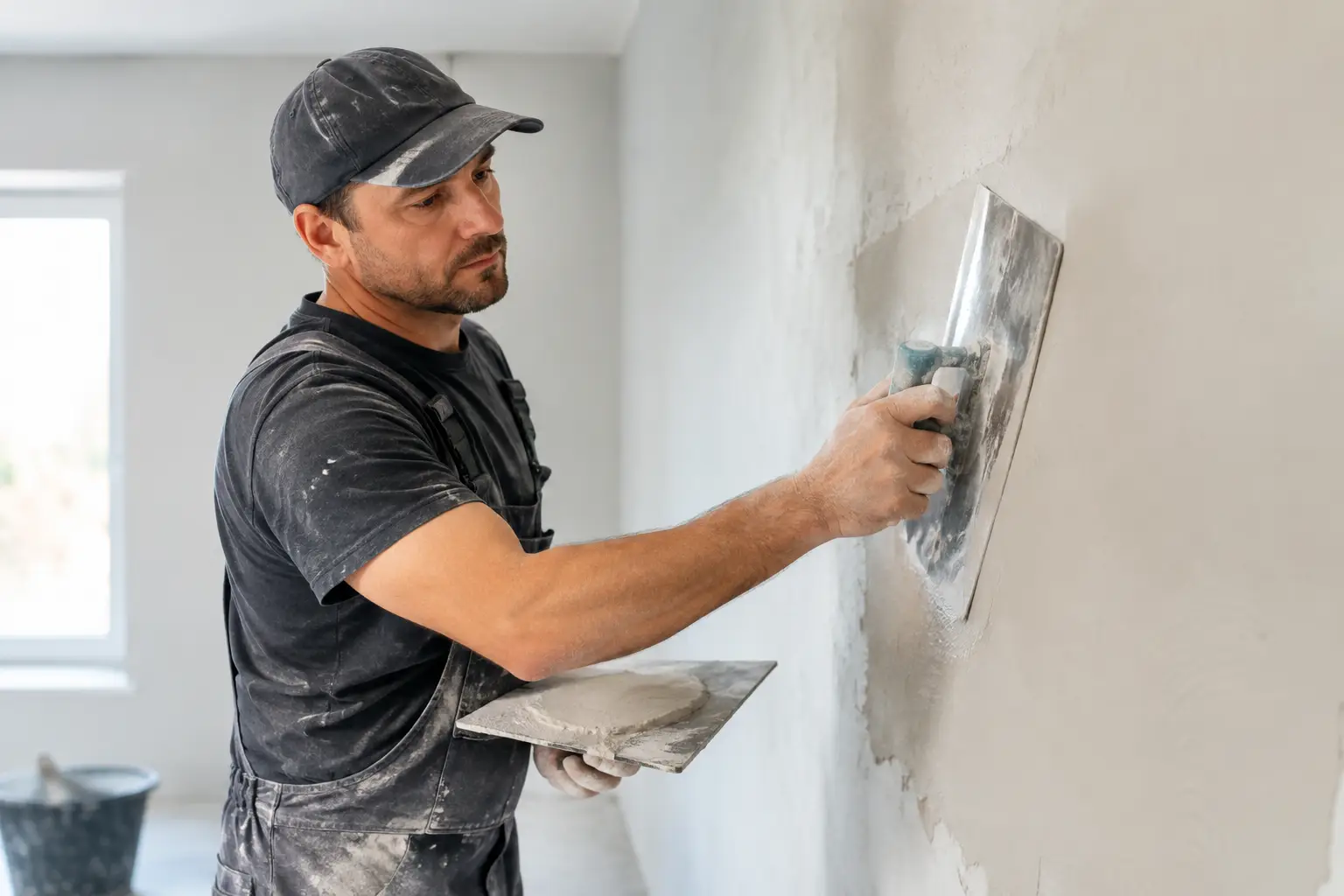
With an owner-operated specialist, the same experienced tradesperson inspects the property, explains the options, prices the work and carries it through. The hands that quote your job are the hands that finish it. There is less room for crossed wires about the repair area, the cornice profile, the level of finish required or the access needed to protect a lived-in home.
That continuity is particularly valuable for smaller but detailed jobs. A ceiling crack repair, water-damaged plasterboard section, new bulkhead or decorative cornice replacement may not need a large crew. It needs careful judgement from someone who can see how every part of the job affects the finished room.
The quote reflects the actual condition of the job
Plastering prices can vary because the visible damage is not always the full story. A stain on the ceiling may point to an old leak, but the plasterboard could be soft, sagging or affected beyond the stained edge. A crack in a wall may only need preparation and setting, or it may require reinforcement if movement has opened the joint.
An owner-operated plasterer can assess these details in person and set clear expectations before work begins. A proper fixed-price quote should explain what is included, what preparation is required and whether any separate repair work must be completed first. That means fewer vague allowances and fewer surprises once the job is underway.
Fixed pricing does not mean pretending every hidden issue can be predicted. It means being honest about what can be seen, identifying likely risks early and discussing any genuine change before extra work proceeds.
One point of contact keeps decisions simple
Home repairs often happen while the household is still using the space. There may be furniture to move, children sleeping during the day, pets to manage or a painter booked for the following week. Direct communication helps the job fit around real life.
Instead of relaying a question through an office and waiting for a message to reach the installer, you can speak to the person doing the work. If a wall lining needs to stop short of cabinetry, a recessed LED cove needs a particular depth, or a repair must be ready before other trades arrive, the decision can be made clearly and quickly.
For Perth homeowners who prefer to discuss the job in Mandarin, being able to communicate directly during quoting and planning can also remove unnecessary uncertainty. Clear communication is not an add-on. It is part of getting the finish right.
Better plastering starts before the compound goes on
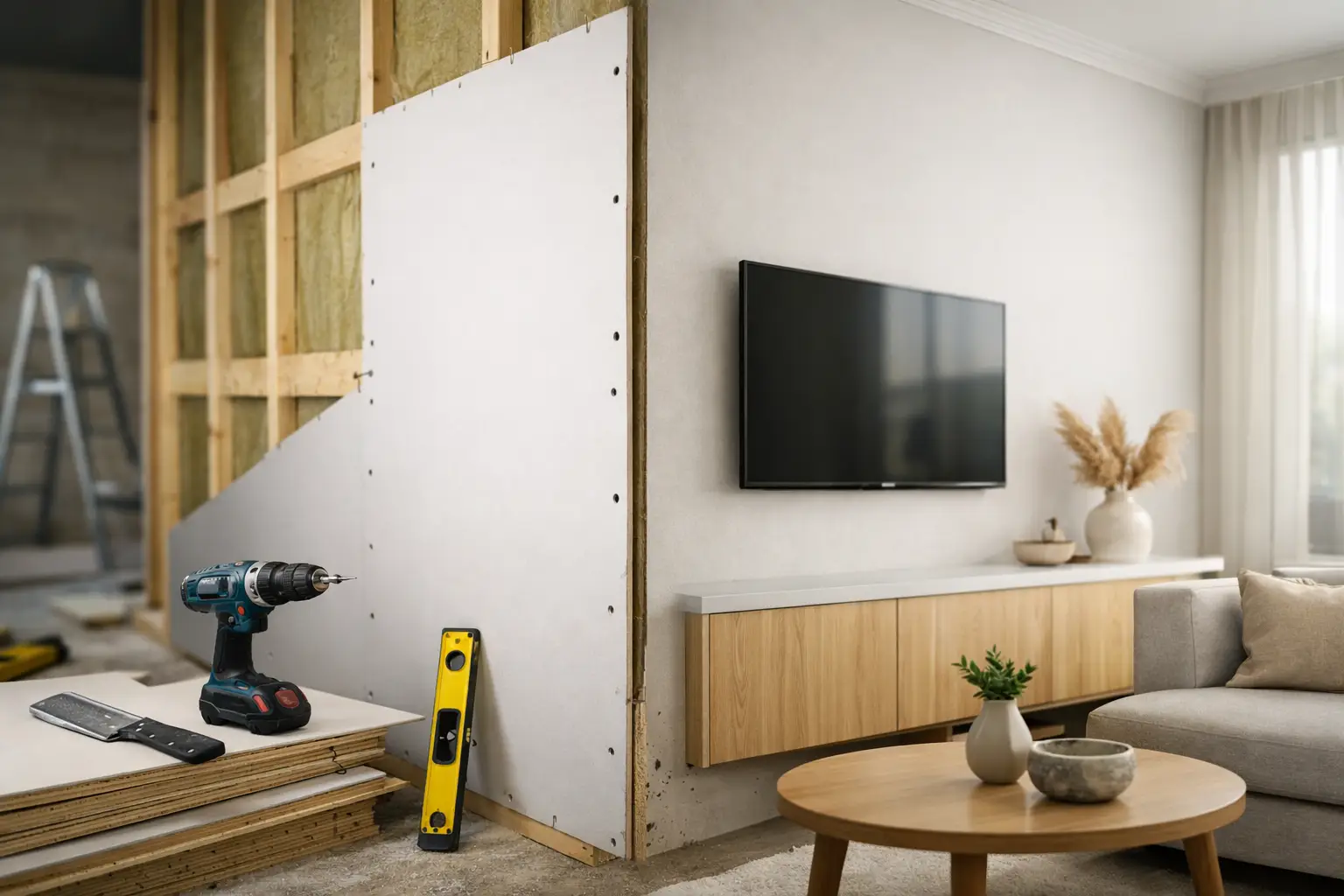
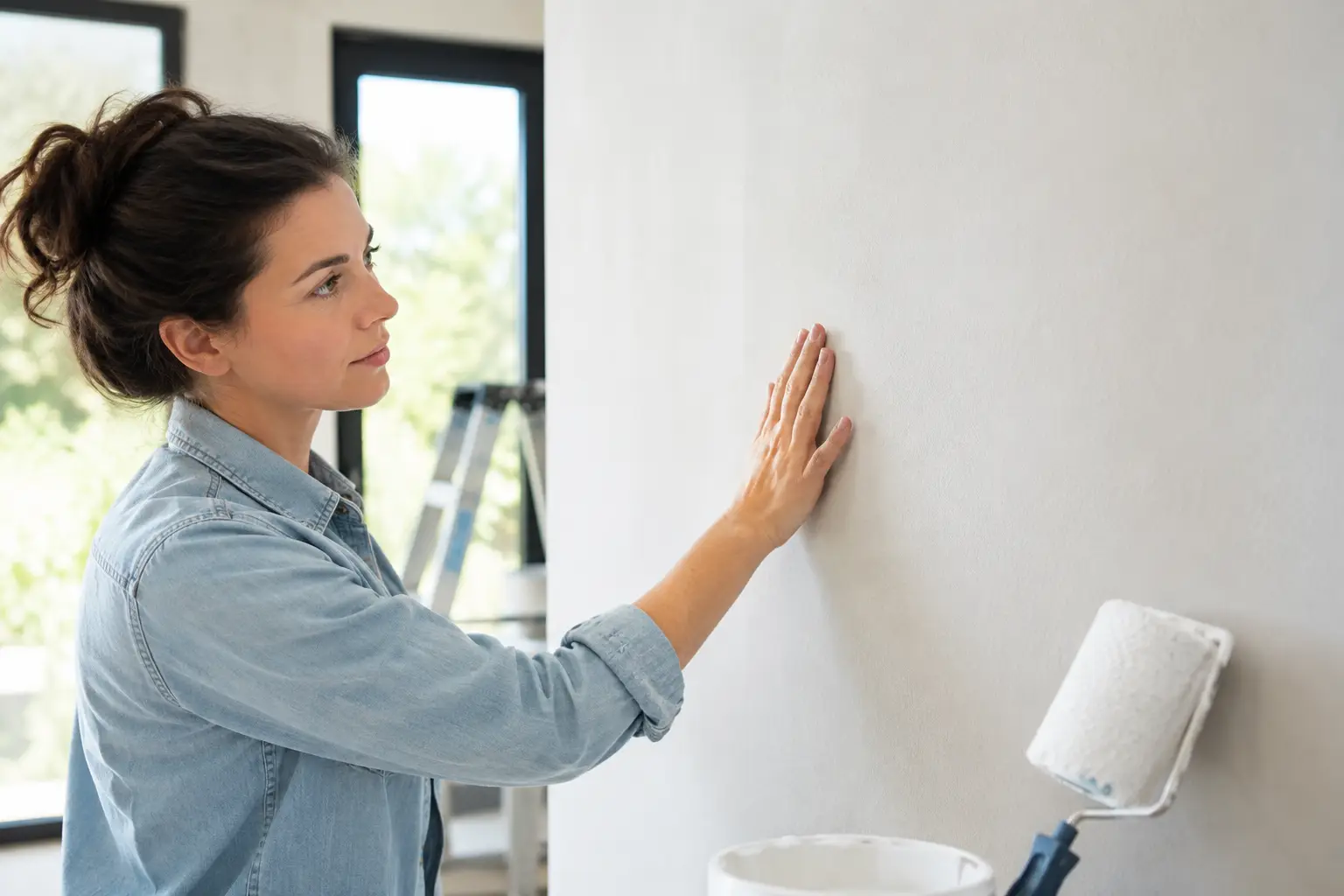
A smooth wall or ceiling is the result of preparation, not just the final coat. The surface must be checked for movement, loose material, moisture damage and uneven framing. Sheets need to be installed square and securely. Joints need the right tape, compound and drying time. Cornices, bulkheads and set angles need to meet cleanly.
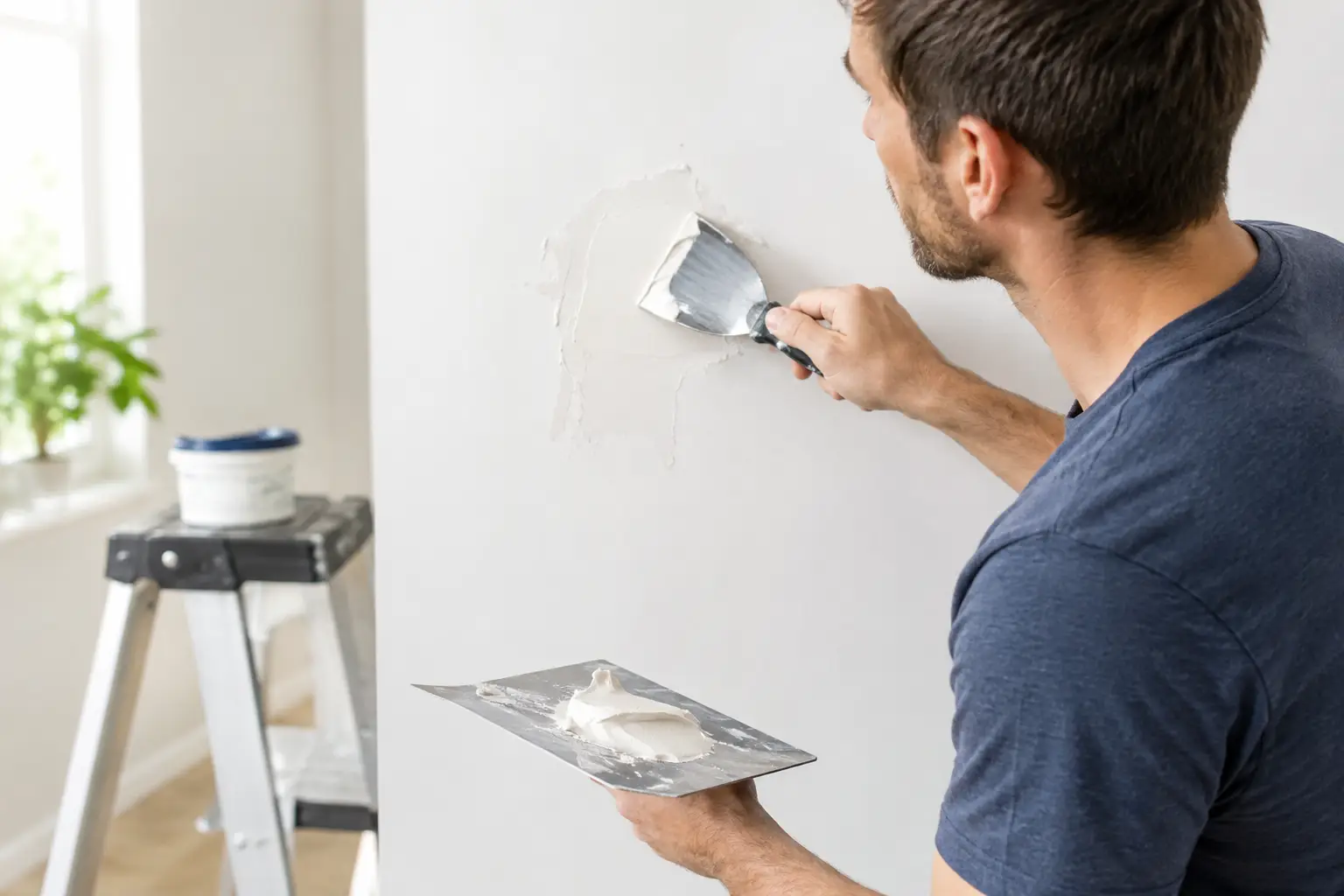
Rushing any of these steps can leave a result that looks acceptable on the day but becomes obvious after painting. Poorly prepared joints may show as ridges or lines. Inadequate repair work can crack again. A ceiling patch can sit proud of the surrounding surface and stand out under downlights.
An experienced owner operator has a personal stake in avoiding these shortcuts. Their name is attached to the job, and they will be the person answering the phone if the finish falls short. That encourages careful planning and a more measured approach where it counts.
Repairs require a different eye from new installations
New plasterboard work has a clean starting point. Repair work has to blend with materials, profiles and paint histories that may be decades old. That is why invisible repairs are a specialised skill.
For water-damaged ceilings, the cause of the moisture must be resolved before replacement plasterboard is installed. Otherwise, a fresh repair can simply become the next damaged section. For cracks, the plasterer needs to judge whether the issue is cosmetic or related to movement. For older homes, matching an existing decorative cornice may require careful sourcing and accurate cutting rather than settling for the nearest modern profile.
The right approach depends on the home. A small nail-pop repair has different requirements from a sagging ceiling or a heritage-style cornice that has broken near a corner. A good tradesperson will explain the practical option, not push a one-size-fits-all solution.
Tidiness is part of professional workmanship
Plastering creates dust, offcuts and disruption. There is no honest way to claim otherwise. The difference is how well the space is prepared, contained and cleaned as work progresses.
A careful operator protects floors, nearby furniture and access paths before starting. They organise cutting and sanding to limit dust where possible, remove rubbish and leave the work area orderly. This matters even more in occupied homes, where a repair may be taking place beside bedrooms, kitchens or living areas rather than on an empty building site.
Tidiness also reflects control of the job. A tradesperson who protects the room is more likely to protect edges, existing finishes and the small details that separate a merely completed job from a paint-ready one.
When a larger crew may be the better fit
Owner-operated service is not automatically the best choice for every project. A large commercial fit-out, multi-dwelling development or major renovation with a compressed programme may need several plasterers on site at once. In that situation, a bigger contractor with dedicated supervisors and labour capacity can be the practical option.
For residential wall and ceiling work, however, the priorities are often different. Homeowners usually value direct accountability, careful work around existing finishes, a reliable schedule and a consistent result across a single room or a modest renovation. Those are the jobs where a boutique approach has real advantages.
It is also worth considering scope. If you need plasterboard lining, partition walls, ceiling installation, bulkheads, LED coves, cornices, patch repairs or preparation for painting, choose someone who is comfortable owning the full finish rather than treating it as a quick patch-and-go visit.
Questions worth asking before you book
Before accepting a quote, ask who will actually complete the work and whether that person has inspected the site. Confirm whether the price includes materials, protection, rubbish removal and the level of finish required for painting. If the job involves water damage, ask how the cause will be addressed. If it involves an older cornice, ask whether the profile can be matched.
You should also ask about workmanship guarantees, insurance and timing. Straight answers are a good sign. So is a tradesperson who explains limitations clearly, such as when a painter is needed after plastering or when a structural issue must be assessed separately.
At Yong's Carpentry, the boutique approach means personal attention from the first site visit through to the final clean-up. It is built for homeowners who want clear communication, fixed pricing and work that is personally finished rather than passed between people.
The right plasterer does more than cover damage or install sheets. They leave you with walls and ceilings that sit quietly in the background, as they should - smooth, straight, clean and ready for the rest of your home to look its best.
Need a hand with this? See our render, plaster and paint-ready walls in Perth, or ask for a free on-site quote.