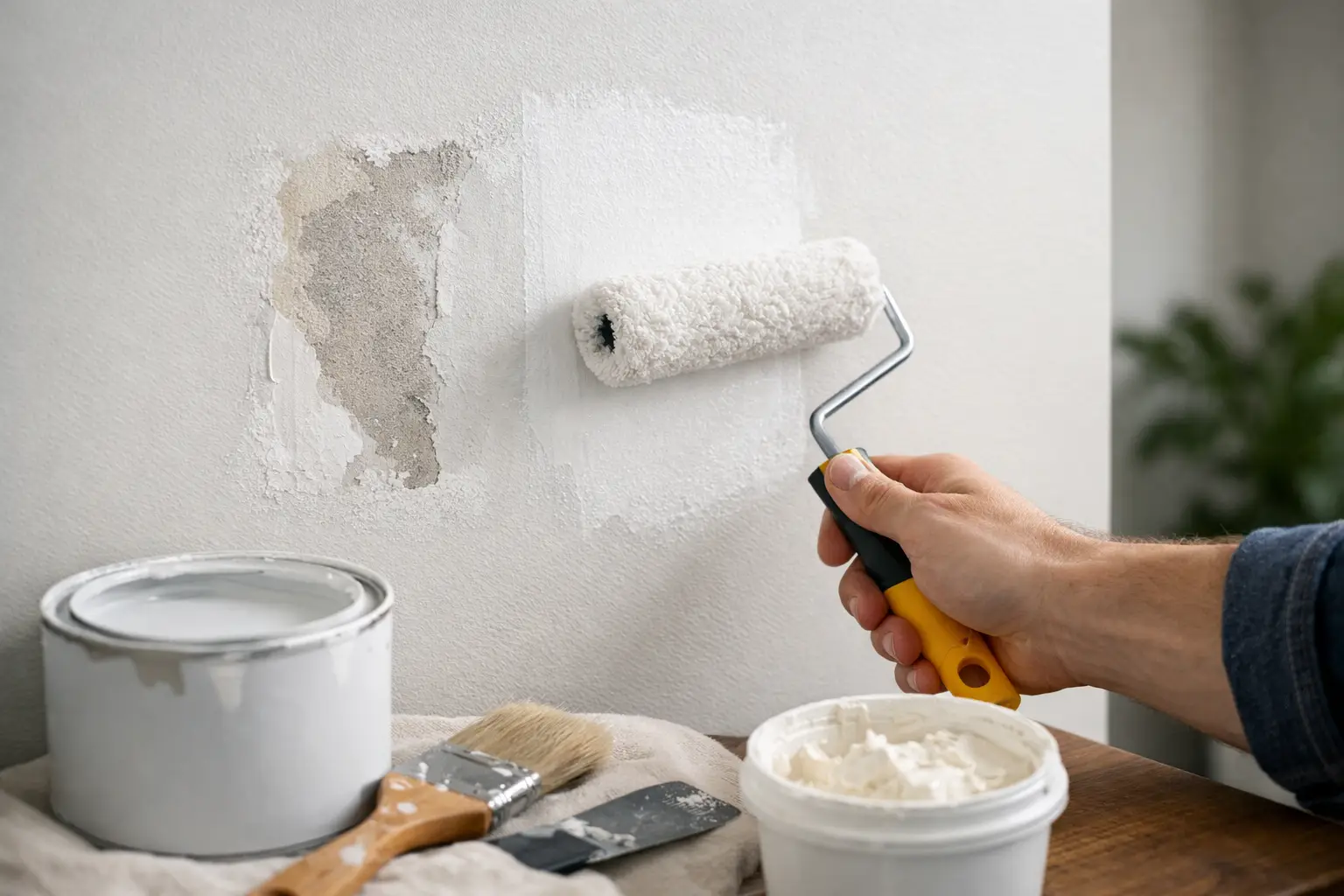
Plastering Perth for Smooth Paint-Ready Walls

A wall can look fine until the afternoon sun hits it. Then the old patching, uneven joints, ceiling sag or hairline cracking becomes impossible to ignore. Quality plastering Perth homeowners can trust is not simply about covering a problem. It is about preparing the surface properly so the finished room feels clean, straight and ready for paint.
For a small repair, renovation or full room fit-out, the finish work is what people see every day. It deserves the same attention as the framing, electrical work and cabinetry behind it.
What Good Plastering Perth Work Looks Like
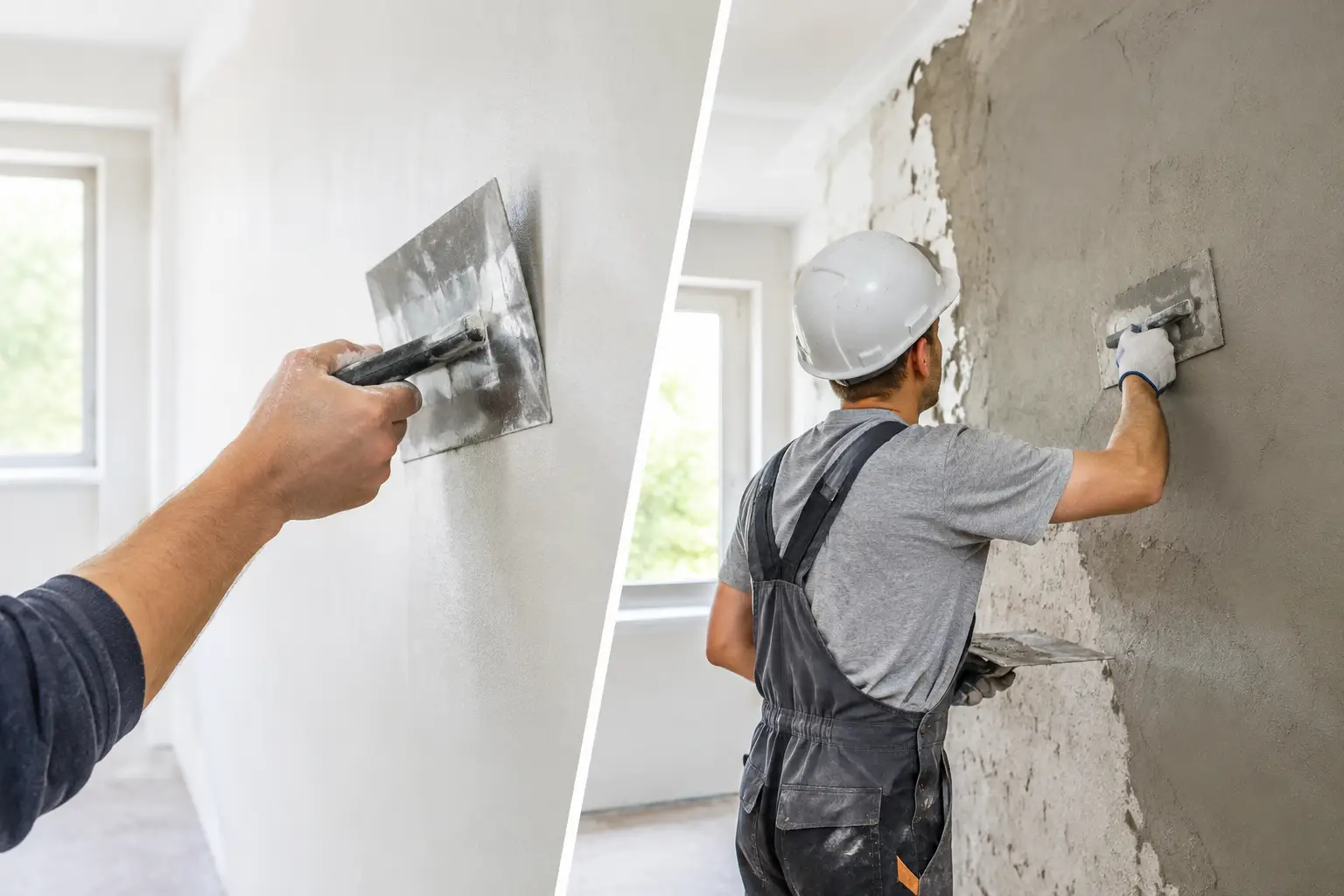
A well-finished plasterboard wall should not draw attention to itself. Corners are crisp, joins disappear under paint, and the surface sits flat when viewed along the wall or ceiling. That result comes from careful preparation and several stages of setting, sanding and checking - not from rushing on a thick coat of compound and hoping paint will hide the rest.
Ceilings need even more care. They receive strong natural light, particularly in open-plan Perth homes with large windows, and they often show movement or poor jointing before walls do. A smooth ceiling line also makes downlights, cornices and feature bulkheads look intentional rather than added as an afterthought.
The best approach depends on the job. A new plasterboard installation needs accurate framing checks, correct sheet layout and properly reinforced joins. A damaged wall may need the source of moisture fixed first, compromised material removed, and the repair blended into the surrounding finish. Treating both jobs the same is how visible patches and recurring cracks happen.
Start With the Cause, Not Just the Crack
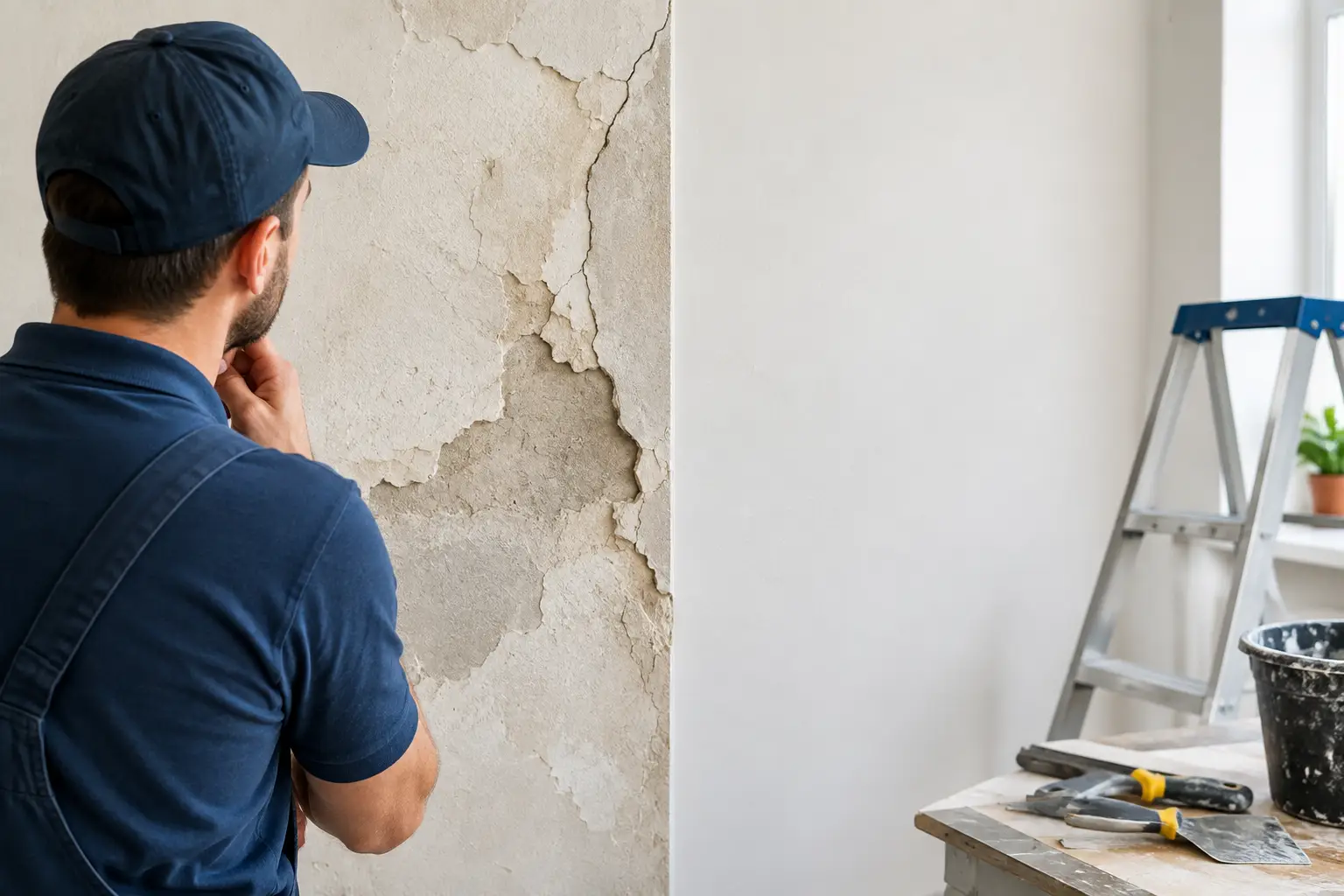
Cracks, stains and peeling paint are symptoms. Before any plastering begins, a careful tradesperson works out why the surface has failed.
Hairline cracks can result from normal building movement, but they can also form where sheets were poorly fixed, joints lacked tape, or a previous repair was too rigid. A stain on a ceiling may point to an old roof leak, a plumbing issue or condensation. If the area is repaired before it is dry and stable, the new finish can bubble, discolour or crack again.
Water-damaged plasterboard is a common example. Sometimes the affected section can be cut out and replaced neatly. Other times, particularly after a larger leak, insulation and framing need to be assessed as well. The goal is not merely to make the mark disappear for the next inspection. It is to restore a sound, paint-ready surface that stays that way.
This is where direct accountability matters. When the person who assesses the damage also completes the repair, there is less room for missed details between quoting and site work. Yong's Carpentry takes this boutique approach seriously: the hands that quote the job are the hands that finish it.
New Walls, Ceilings and Room Changes
Plastering is often the stage that turns a rough renovation into a room. Partition walls can create a home office, separate an open living area or add privacy to a growing family home. New ceiling linings can replace dated finishes, conceal services or improve the proportions of a space.
Bulkheads and recessed LED lighting coves are also practical design features when planned early. A bulkhead can hide ducting, define a kitchen zone or provide a clean edge above cabinetry. A recessed cove can soften the light in a theatre room, bedroom or living area. Both need precise set-out so lines remain straight and access to services is considered before the sheets go on.
There is a trade-off between a quick cosmetic solution and a properly integrated one. For instance, boxing around a beam may be faster than rebuilding a ceiling plane, but it can change the room’s visual balance. A good on-site discussion should cover what is possible, what will look best, and where spending more will make a genuine difference.
Cornices Need More Than a Neat Join
Cornices are often treated as a minor finishing detail. In reality, they frame the entire room. Poorly aligned cornice lines can make even good wall work look unfinished, while mismatched profiles stand out immediately in older homes.
For heritage-style properties or rooms with decorative existing cornices, matching the profile and scale matters. The new section needs to sit naturally beside the original work, with clean mitres, consistent adhesive lines and joins that disappear after painting. Where a profile cannot be matched exactly, it is better to discuss the closest practical option upfront than install something that looks obviously different.
Simple square-set finishes are another option, particularly in contemporary renovations. They create a clean junction between wall and ceiling, but they demand very straight framing and careful setting. A square-set edge gives no cornice line to soften small imperfections.
Why Paint Cannot Fix Poor Preparation
Fresh paint improves a room, but it does not correct uneven plastering. In fact, low-sheen and satin finishes, side lighting and darker colours can make imperfections more obvious. Paint follows the surface beneath it.
A paint-ready finish means the wall or ceiling has been inspected for trowel marks, raised tape edges, pinholes and sanding scratches. It also means dust has been managed properly. Excess sanding dust can settle through a lived-in home, affect paint adhesion and create unnecessary clean-up after the job.
Tidy work practices are part of professional plastering, not an optional extra. Floors, furniture and nearby fittings should be protected, work areas contained where practical, and rubbish removed as the job progresses. Homeowners should not have to spend their weekend cleaning plaster dust from skirting boards and window tracks.
Questions Worth Asking Before You Accept a Quote
Price matters, but a low figure only means something when the scope is clear. A fixed-price quote should explain what is included, especially for repairs where the visible damage may be smaller than the work needed to fix it properly.
Ask whether damaged material will be removed or patched over, whether joints will be taped and set through the required coats, and whether sanding and paint preparation are included. For ceilings, ask how existing cracks or sagging areas will be treated. For renovation work, confirm who is responsible for coordinating access around electrical, plumbing or cabinetry work.
It is also reasonable to ask who will actually carry out the job. Larger operators may use different crews for quoting, installation and finishing. That model can work, but it can also make communication harder when details change. An owner-operated specialist offers a simpler line of contact from the first site visit through to final inspection.
Finally, ask about insurance, site safety credentials and written workmanship guarantees. These are practical signs that a tradesperson takes responsibility for the work, not just for getting the job booked in.
When a Repair Is the Right Call - and When It Is Not
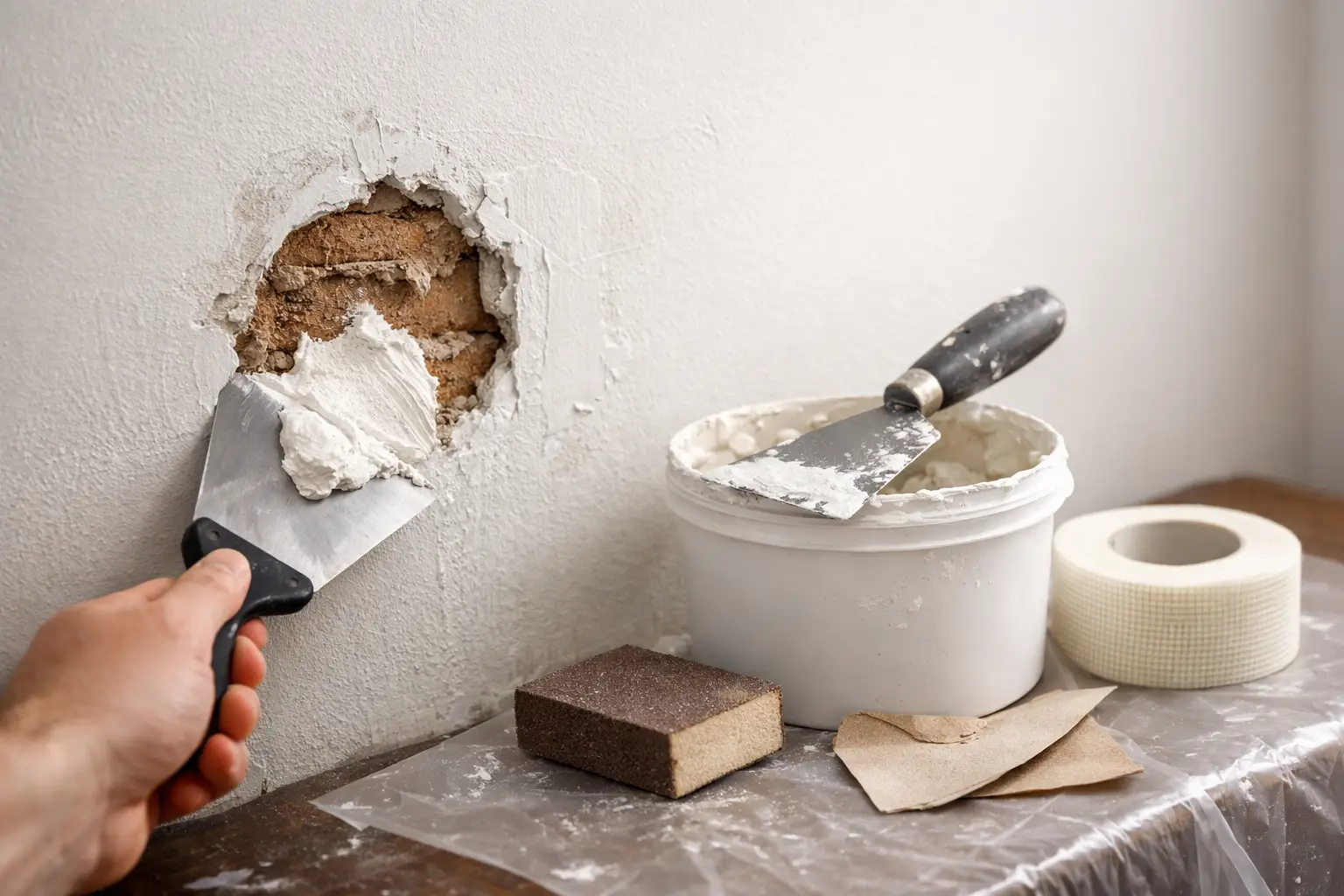
A localised repair is often the sensible choice when damage is contained and the surrounding lining is sound. A properly blended patch can be effectively invisible once painted, saving unnecessary removal and expense.
Replacement becomes more sensible when plasterboard is soft from water damage, ceilings are extensively sagging, cracks run repeatedly along multiple joins, or previous patching has left the surface uneven. In some cases, repairing one small area is technically possible but unlikely to provide the consistent finish a homeowner wants across the room.
The honest answer is sometimes that a repair will improve the area but cannot make every aged surface look brand new without broader work. Clear advice before starting is far better than an optimistic promise followed by disappointment at handover.
A smooth wall or ceiling makes the rest of a room work harder - the paint looks sharper, lighting sits better and the home feels cared for. Choose plastering work that addresses the cause, respects your home while it is underway, and leaves you with a finish you will not keep noticing for the wrong reasons.
Need a hand with this? See our plastering and paint-ready walls in Perth, or ask for a free on-site quote.